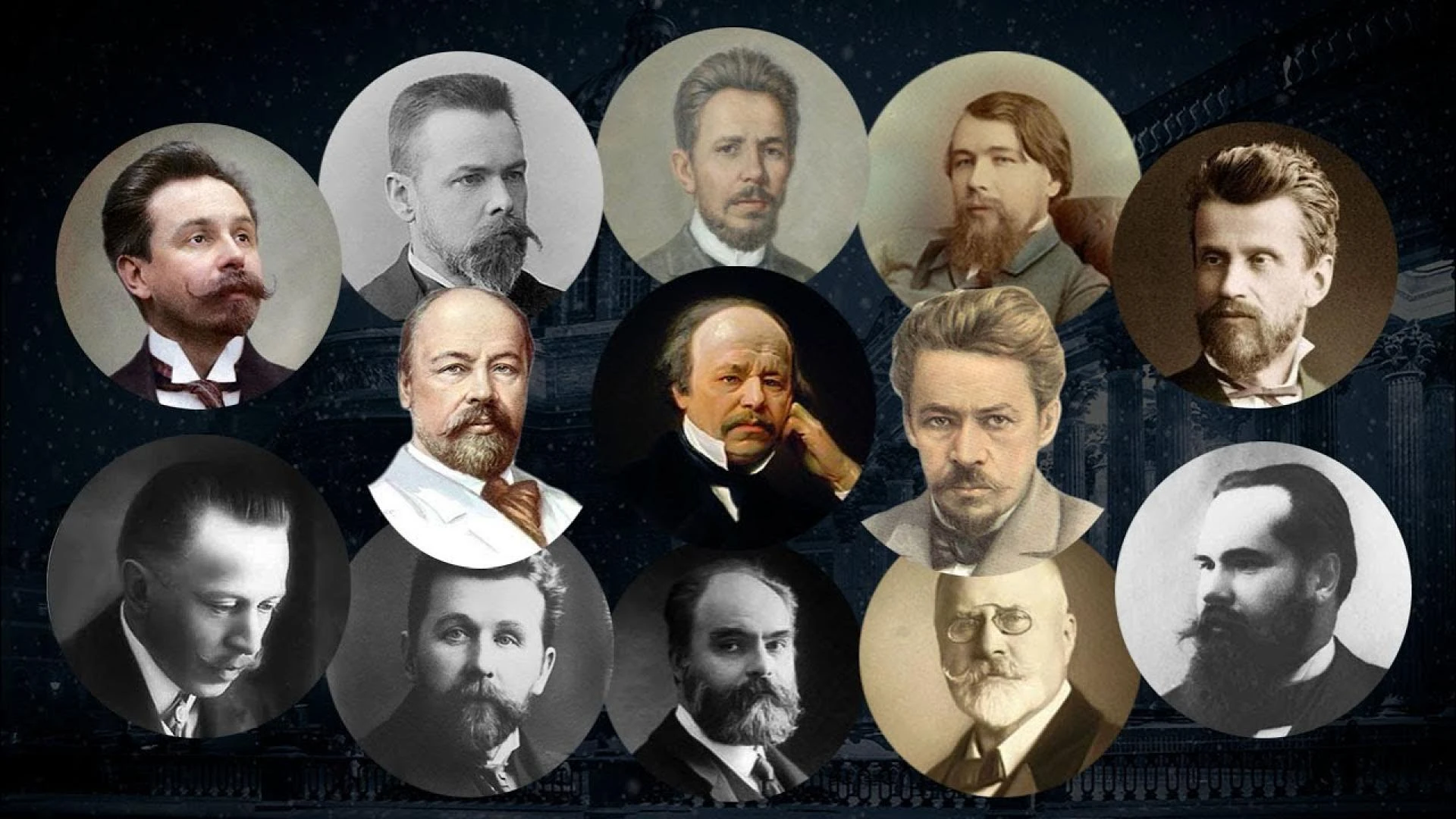

Russian composers have contributed some of the most influential and memorable orchestral works in music history. Their compositions stand out for their emotional depth, national identity, and innovative use of orchestration. From the Romantic era to the early 20th century, Russian composers have combined folk influences, dramatic storytelling, and masterful orchestral techniques. Their works are often recognized for their richness, complexity, and expressiveness. This essay explores the defining elements of Russian composers’ orchestral works, examining their melodic structures, harmonic language, rhythm, orchestration, and cultural influences.
Melodic Characteristics
Lyricism and Expressive Themes
Russian composers are known for their long, lyrical melodies. These themes often carry deep emotion and drama. Composers like Tchaikovsky use soaring strings and expressive woodwinds to convey sadness, joy, or longing. The melodies are often memorable and emotionally charged. They create an immediate connection with the listener.
The use of melody in Russian orchestral music is often tied to storytelling. Composers develop themes gradually. They repeat, vary, and transform them throughout a piece. This thematic development gives the music a sense of journey and narrative. It reflects the Romantic ideal of music as an expression of personal and national identity.
Folk Influences in Melody
Many Russian composers incorporated folk tunes into their orchestral works. Rimsky-Korsakov and Mussorgsky, for example, drew on traditional Russian songs and dances. These melodies often use modal scales or irregular intervals. They give the music a distinct Russian character.
Folk-inspired melodies also add variety to orchestral textures. They contrast with the lush, Romantic themes to create a balance between national identity and expressive artistry. This integration of folk elements is one of the hallmarks of Russian orchestral music.
Harmonic Language and Tonality
Rich and Colorful Harmonies
Russian composers frequently employ rich harmonies to enhance the emotional impact of their works. They use chromaticism, extended chords, and unexpected modulations. These techniques create tension and resolution, guiding the listener through intense emotional landscapes.
Tchaikovsky, for instance, often combines major and minor modes to convey conflicting emotions. Rimsky-Korsakov uses exotic scales and chromatic passages to evoke mystery and drama. These harmonic choices contribute to the unique sound of Russian orchestral music.
Innovative Tonal Structures
Russian composers sometimes experiment with tonal structures. They move between keys in unusual ways, creating contrasts and surprises. This approach allows for dramatic storytelling and heightened emotional expression. Composers like Stravinsky, in his early works, pushed harmonic boundaries further, influencing later orchestral developments in the 20th century.
The harmonic richness and flexibility in Russian orchestral music help define its emotional and national character. It allows composers to express both intimate human feelings and grand, heroic narratives.
Rhythmic Features and Patterns
Variety of Meters
Rhythm is another defining element in Russian orchestral works. Composers use a wide range of meters, including asymmetrical and compound rhythms. These patterns often reflect folk dances or traditional rituals. The irregular rhythms create a sense of energy and unpredictability.
Stravinsky’s “The Firebird” and “Petrushka” demonstrate complex rhythmic layering. Even in earlier Romantic works, composers like Borodin use lively dance rhythms to add vitality. The rhythmic diversity contributes to the music’s dramatic impact and its distinctive Russian identity.
Use of Accents and Syncopation
Russian composers frequently emphasize accents and syncopation in their orchestral works. These techniques highlight dramatic moments and add tension to the music. The rhythmic emphasis often interacts with melodic and harmonic elements, creating a dynamic and expressive sound.
The combination of varied meters, accents, and syncopation gives Russian orchestral music a distinctive forward motion. It reflects both the energy of folk traditions and the expressive needs of Romantic orchestration.
Orchestration Techniques
Color and Texture
Russian composers are known for their masterful use of orchestral color. They experiment with instrument combinations, timbres, and dynamics. Rimsky-Korsakov, in particular, was renowned for his orchestration manuals and techniques. He used woodwinds, brass, and percussion to create vivid, imaginative textures.
Orchestration is often used to depict nature, landscapes, or scenes from folklore. Strings might carry lyrical themes, while woodwinds provide ornamentation or bird-like effects. Brass can symbolize heroism or power. Percussion adds excitement and intensity. This imaginative use of orchestral color is a defining element of Russian music.
Large-Scale Orchestral Forces
Many Russian composers wrote for large orchestras, utilizing full strings, brass, woodwinds, and percussion. This allowed for dramatic contrasts between sections and grand climaxes. The size of the orchestra supports both the lyrical and dramatic qualities of the music.
Composers like Tchaikovsky in his symphonies and ballets used large orchestral forces to create immersive musical worlds. The orchestration supports narrative, emotional, and visual imagery, making the music immediately impactful.
Cultural and National Influences
Russian Identity and Folklore
Russian composers often infused their works with national identity. Folk songs, dances, and themes inspired by Russian history and mythology are common. This cultural connection gives the music authenticity and uniqueness. It distinguishes Russian orchestral works from Western European traditions.
The influence of folklore also adds narrative depth. Music tells stories of heroic deeds, love, nature, and mystical events. These narrative elements strengthen the emotional impact and engage listeners on multiple levels.
Connection to Literature and Ballet
Many orchestral works by Russian composers were inspired by literature and ballet. Tchaikovsky, for example, composed symphonies, suites, and ballets based on Russian stories or fairy tales. The connection to literature enhances the dramatic and expressive qualities of the music. Ballet and orchestral writing also influence rhythm, phrasing, and orchestration, contributing to the unique Russian style.
Conclusion
Russian composers created orchestral works that are distinctive for their melodic richness, harmonic complexity, rhythmic variety, and imaginative orchestration. They combined expressive lyricism, folk influences, and national identity to produce music that is emotionally powerful and culturally resonant. Their works use melody, harmony, rhythm, and orchestration not only for musical effect but also to tell stories and evoke imagery. Russian orchestral music balances drama, lyricism, and innovation, making it both accessible and profound. These elements define the unique sound of Russian composers and explain why their orchestral works remain influential and celebrated in classical music today.































Sign in to leave a comment.