
Purpose and Role in Dental Restoration
Dental crowns and bridges are commonly used restorative treatments designed to repair and replace damaged or missing teeth. While both options improve oral function and appearance, they serve different purposes. A crown is typically used to cover and protect a single damaged tooth, restoring its shape, strength, and function. In contrast, a dental bridge is used to replace one or more missing teeth by anchoring an artificial tooth to adjacent natural teeth or implants.
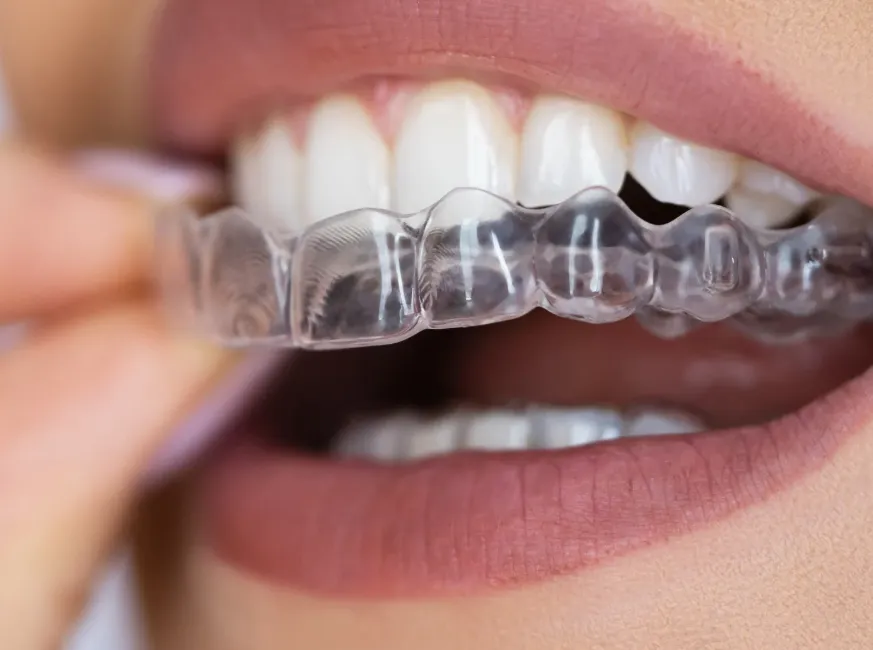
In many dental consultations, patients often compare treatment costs and alternatives, asking questions such as how much do retainers cost alongside restorative procedures. This highlights the importance of understanding each option before making a decision.
Structural Differences Between Crowns and Bridges
Dental Crowns
A dental crown is essentially a cap that is placed over a damaged or weakened tooth. It is custom made to match the natural shape and colour of the existing tooth. Crowns are typically recommended when a tooth is cracked, severely decayed, or has undergone root canal treatment.
Crowns can be made from materials such as porcelain, ceramic, metal alloys, or a combination of these. The choice of material often depends on durability requirements and aesthetic preferences.
Dental Bridges
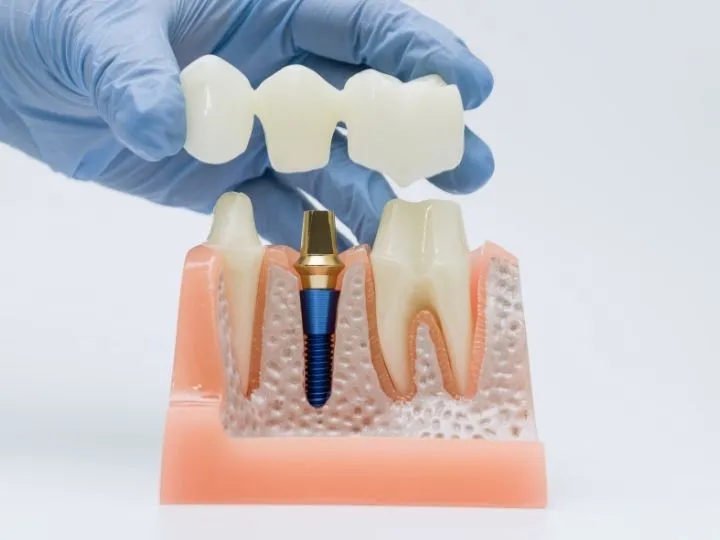
A dental bridge consists of one or more artificial teeth, known as pontics, which are supported by crowns placed on the adjacent teeth. These supporting teeth are called abutments. Bridges literally bridge the gap left by missing teeth, restoring both functionality and appearance.
Unlike crowns, bridges require the preparation of neighbouring teeth, which are reshaped to accommodate the crowns that will hold the bridge in place.
Functional Benefits and Applications
When Crowns Are Recommended
Crowns are ideal for protecting weakened teeth, restoring broken teeth, or improving the appearance of discoloured or misshapen teeth. They are also used to secure dental implants and hold dental bridges in place.
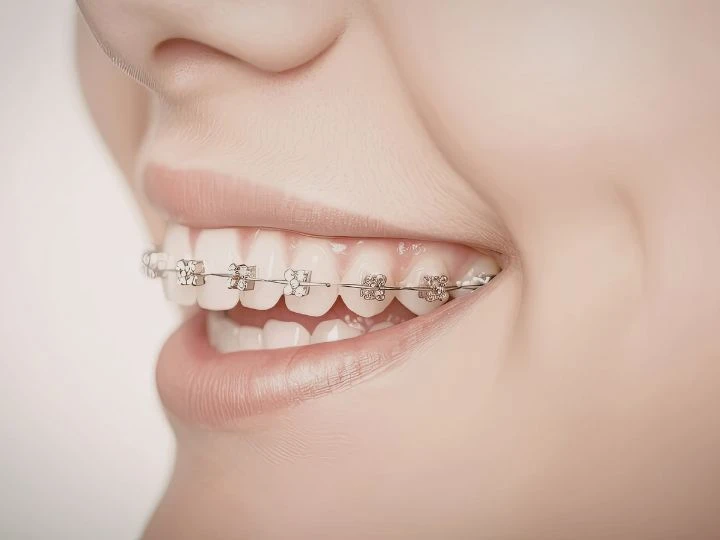
Patients who are exploring orthodontic options might also ask how much do retainers cost, especially after completing treatments that align teeth before placing crowns for aesthetic enhancement.
When Bridges Are Preferred
Bridges are recommended when one or more teeth are missing and there are healthy teeth on either side of the gap. They help restore chewing ability, maintain facial structure, and prevent remaining teeth from shifting out of position.
Bridges can be a more cost-effective and quicker solution than dental implants, making them a popular choice for many patients.
Procedure and Treatment Timeline
Crown Placement Process
The process of getting a crown usually involves two visits. During the first visit, the dentist prepares the tooth by removing a portion of the enamel to make room for the crown. An impression is then taken to create a custom-fit crown. A temporary crown is placed until the permanent one is ready.
On the second visit, the permanent crown is cemented onto the prepared tooth, ensuring a secure and natural fit.
Bridge Placement Process
The procedure for a dental bridge is similar but involves more extensive preparation. The abutment teeth are reshaped, and impressions are taken to design the bridge. A temporary bridge is provided while the permanent one is being fabricated.
Once ready, the permanent bridge is adjusted and cemented into place, restoring the gap with a stable and functional solution.
Longevity and Maintenance Requirements
Durability of Crowns
Dental crowns are known for their durability and can last 10 to 15 years or longer with proper care. Maintaining good oral hygiene, including regular brushing and flossing, is essential to prolong their lifespan.
Lifespan of Bridges
Dental bridges typically last 5 to 15 years, depending on the quality of the materials used and oral hygiene practices. Since bridges rely on neighbouring teeth for support, maintaining the health of these teeth is crucial.
Regular dental check-ups and professional cleaning help ensure that both crowns and bridges remain in good condition over time.
Aesthetic Considerations and Comfort
Crowns and bridges are designed to blend seamlessly with natural teeth. Modern materials allow for highly realistic results, making them virtually indistinguishable from surrounding teeth.
Crowns offer a more conservative approach by focusing on a single tooth, whereas bridges provide a comprehensive solution for missing teeth. Comfort levels for both treatments are generally high once the restoration has settled.
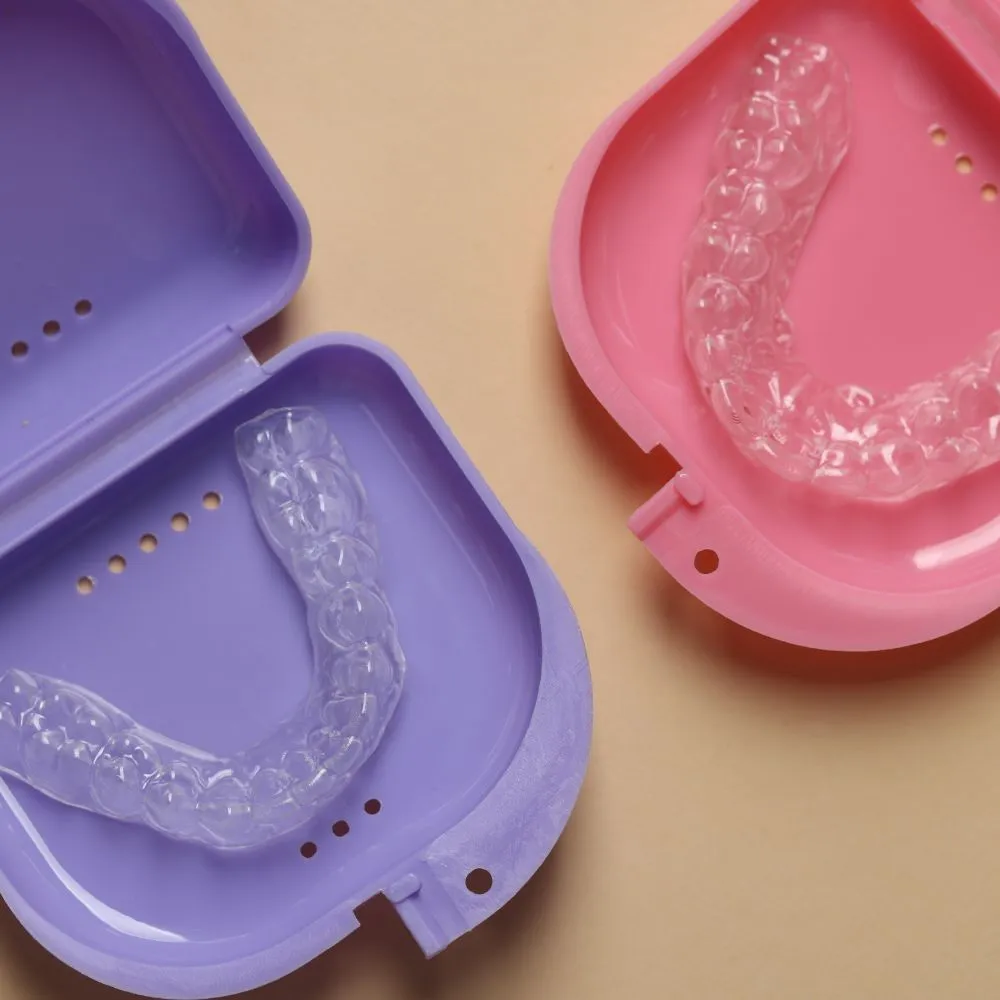
Patients often evaluate multiple dental treatments together, including queries like how much do retainers cost Australia, especially when planning long-term dental care and budgeting for different procedures.
Cost Factors and Accessibility
The cost of crowns and bridges varies depending on several factors, including the material used, the complexity of the procedure, and the location of the dental clinic. Crowns are generally less expensive than bridges when only one tooth is involved. However, bridges may offer better value when replacing multiple teeth.
Additional considerations such as dental insurance, payment plans, and ongoing maintenance costs also play a role in determining the overall affordability of each option.
FAQ
What is the main difference between a crown and a bridge?
A crown covers and protects a single damaged tooth, while a bridge replaces one or more missing teeth by using adjacent teeth for support.
Are dental bridges stronger than crowns?
Both are durable, but crowns are typically stronger for individual teeth, whereas bridges rely on surrounding teeth for stability.
How long does it take to get a crown or bridge?
Both procedures usually take two visits, but bridges may require slightly more time due to additional preparation.
Can crowns and bridges look natural?
Yes, modern dental materials are designed to closely match natural teeth in colour and shape, providing a seamless appearance.
























Sign in to leave a comment.