Understanding EV Charging Levels: A Guide to Choosing the Best Option
As a leading EV charger manufacturer in China, LiCB Charge offers reliable AC and DC electric vehicle charging stations, along with comprehensive charging solutions to meet your needs.
As electric vehicles (EVs) continue to grow in popularity, knowing the different charging levels is essential for optimizing your EV experience. Choosing the right charging level ensures your vehicle remains powered efficiently, aligning with your lifestyle and needs. In this guide, we'll explore the different EV charging levels, their benefits, and how to pick the best option for you.
What Are the Different EV Charging Levels?
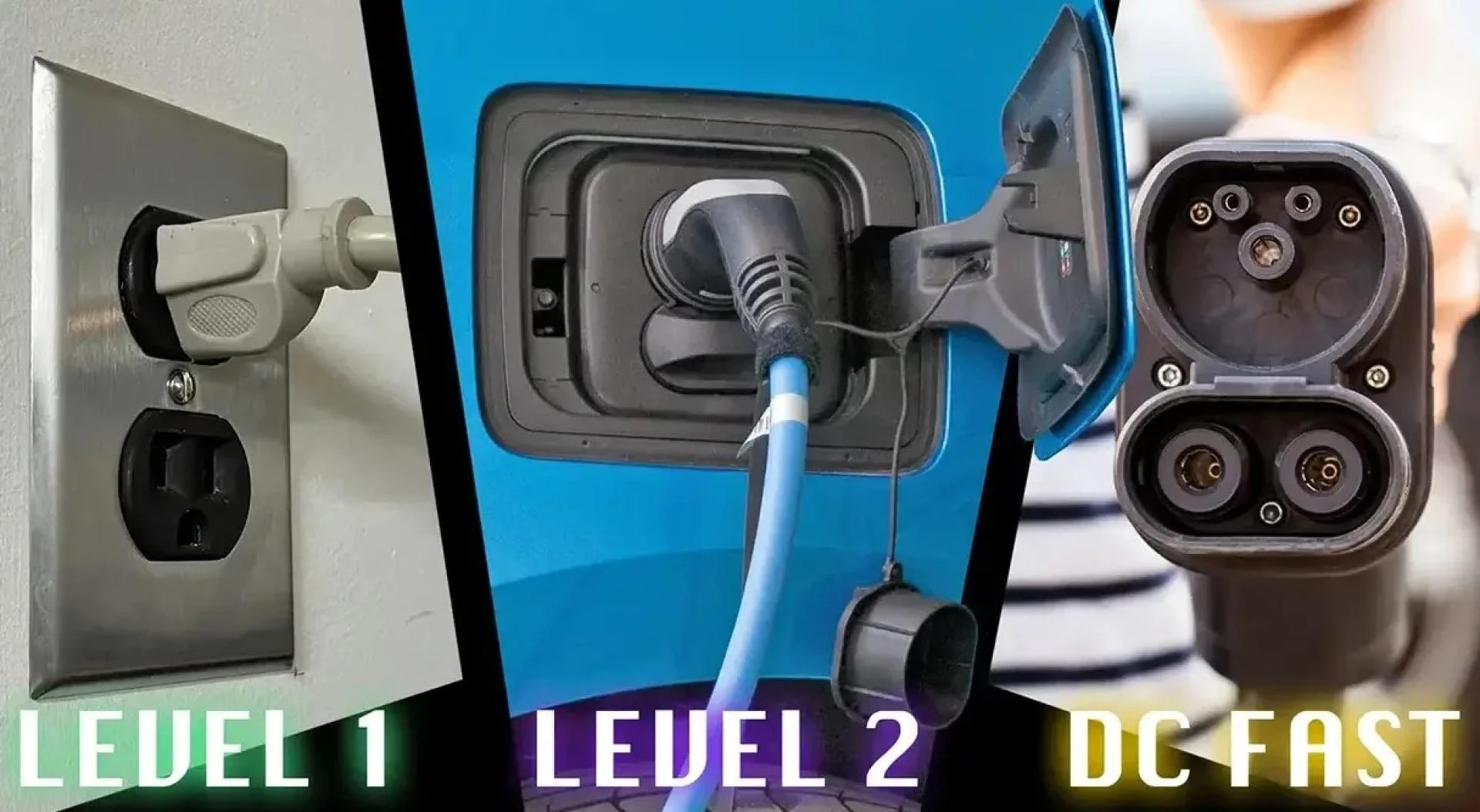
Electric vehicle charging comes in three main levels, each offering different charging speeds and use cases. Here’s an overview:
Level 1 Charging
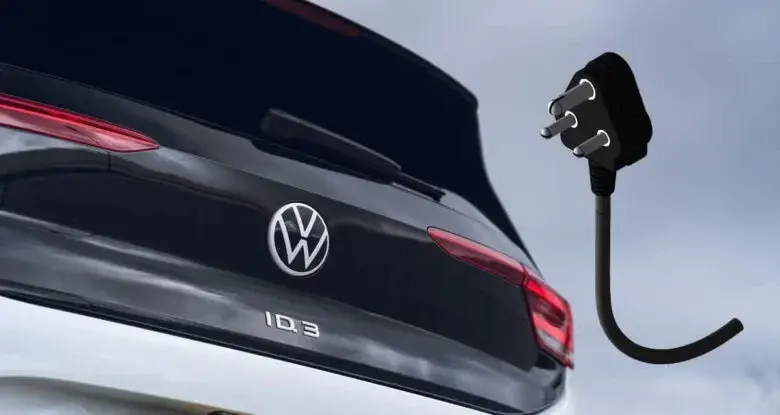
Level 1 is the simplest form of charging, using a standard 120-volt AC outlet (the same type used in most homes). This charging method is ideal for those who have plenty of time and primarily use their EV for short trips. Although Level 1 charging is slow, it can be useful for overnight charging. Expect to gain about 2 to 5 miles of range per hour of charging.
LevelConnector TypeTypical Output PowerEstimated Charge TimeEstimated Range per HourApplications1J1772 & Tesla1kW–1.8 kW22–40 hours3 to 5 miles per hourHome
Level 2 Charging
Level 2 charging requires a 240-volt AC outlet, commonly found in large appliances like dryers. It charges faster than Level 1, offering approximately 10 to 60 miles of range per hour, depending on the vehicle and charger. Level 2 chargers are commonly used in home garages, workplaces, and public charging stations.
LevelConnector TypeTypical Output PowerEstimated Charge TimeEstimated Range per HourApplications2J1772 & Tesla3.3kW–22kW2–13 hours12 to 80 miles per hourHome, Workplace, Public
Level 3 Charging (DC Fast Charging)
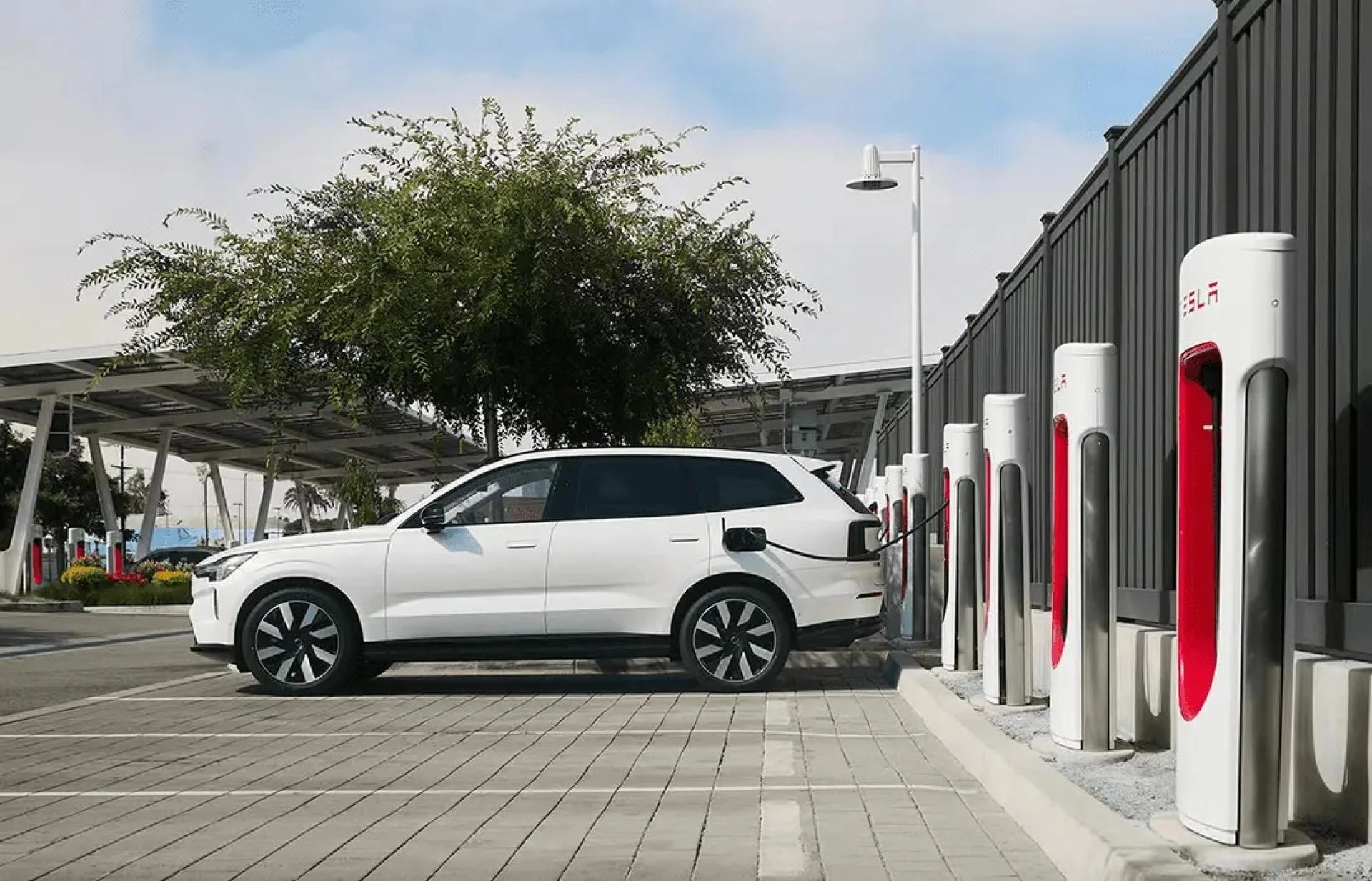
Level 3, or DC fast charging, is the fastest option available, using direct current (DC) to charge EVs much quicker than AC charging. It can add 60 to 100 miles of range in just 20 minutes, making it perfect for long trips or quick top-ups. These chargers are typically found in public charging stations along highways and in urban areas.
LevelConnector TypeTypical Output PowerEstimated Charge TimeEstimated Range per HourApplications3CCS, CHAdeMO, Tesla50kW–350kW15–90 minutes3 to 20 miles per minutePublic
How to Choose the Right EV Charging Level
Selecting the best charging level for your EV depends on several factors. Here are five key considerations:
- Vehicle Compatibility
- Ensure your EV supports the charging level you're considering. Most modern EVs can handle Level 2 charging, while Level 3 charging may only be compatible with certain models. Always check your vehicle's specifications before choosing.
- Charging Infrastructure Availability
- Assess the availability of charging stations in your area. If Level 3 stations are scarce, a Level 2 charger might be more practical. For home charging, Level 1 may be enough if your driving patterns are predictable and you have sufficient overnight charging time.
- Charging Speed and Convenience
- Consider how quickly you need to charge. If speed is a priority for daily use, Level 2 is ideal. Level 1 works well for those who don't need a rapid charge, while Level 3 is perfect for fast charging during long trips.
- Cost Considerations
- Level 1 is the most affordable as it requires no additional equipment, just a standard outlet. Level 2 chargers may have installation and unit costs, while Level 3 chargers are typically found in commercial settings due to their high installation and operational costs. Weigh your charging needs against your budget to find the most cost-effective option.
- Plug Type Compatibility
- Different EVs use various plug types, so ensure the charging level you choose is compatible with your vehicle’s plug. Level 1 and Level 2 chargers often use the same connector, but Level 3 chargers may require different connectors, such as CCS or CHAdeMO. Always verify compatibility.
Do All EVs Use the Same Connector?
Most EVs use a common connector standard, but there are some variations. For Level 1 and Level 2 charging, the J1772 connector is the most widely used and compatible with most EVs. For fast charging, CCS (Combined Charging System) is the most common connector for DC fast charging.
Tesla uses its own proprietary connector called the NACS (North American Charging Standard), but there is growing adoption of Tesla’s NACS by other automakers, along with adapters available for cross-compatibility.
Another older fast-charging connector is CHAdeMO, used primarily by vehicles like the Nissan Leaf, although its use is declining in favor of CCS.
Conclusion
Choosing the right EV charging level depends on your vehicle's charging requirements, available infrastructure, charging speed needs, and budget. Level 1 offers a simple, cost-effective solution for basic home charging, Level 2 is faster and more flexible for daily use, and Level 3 is the fastest option for quick charging on the go. By carefully considering these factors, you can select the best option for your EV and enjoy a smooth, efficient charging experience.Know more about Google SEO Directory










Sign in to leave a comment.