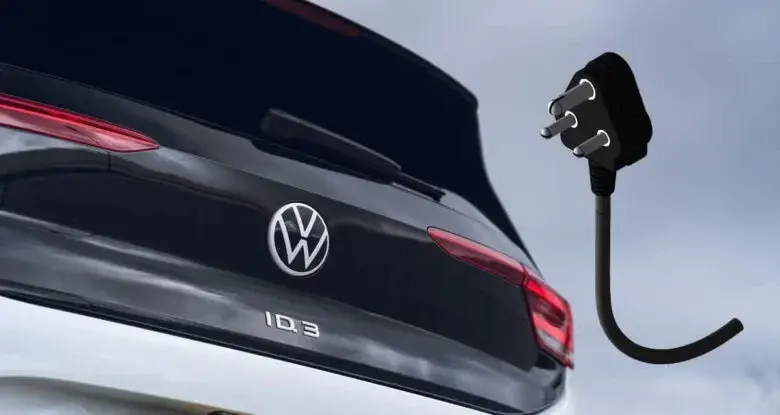

As electric vehicles (EVs) grow in global popularity, charging convenience has emerged as a pivotal factor driving consumer adoption. While high-power AC wallboxes and DC fast chargers take center stage in discussions about EV infrastructure, the 3-pin EV charger remains one of the most widely used and accessible charging solutions—particularly for new EV owners and residential users.
Known as Level 1 charging, this solution enables direct EV charging from a standard household socket. Though its charging speed lags behind dedicated EV chargers, its simplicity, cost-effectiveness, and universal availability make it an indispensable part of the EV charging ecosystem.
This article delivers a comprehensive analysis of 3-pin EV chargers, covering their definition, operational mechanics, key advantages and limitations, critical safety considerations, typical use cases, and their evolving role in the future of EV charging. By understanding these core aspects, EV users, installers, and industry stakeholders can make informed decisions about the optimal use of 3-pin charging for diverse scenarios.
3-Pin EV Charger
What Is a 3-Pin EV Charger?
A 3-pin EV charger is a basic charging solution that links an electric vehicle to a standard three-pin household power outlet. It typically comprises a portable charging cable integrated with an in-cable control and protection device (IC-CPD), which regulates power delivery and delivers core safety functionalities.
Unlike fixed wall-mounted EV chargers, a 3-pin charger requires no specialized installation. It simply plugs into existing household sockets, making it the most convenient and widely accessible charging option for EV owners globally.
Operating voltages vary by regional electrical standards:
- 220–240V AC across most of Europe, Asia, and other international markets
- 110–120V AC in North America and select regional markets
Charging power is generally capped at 1.8 kW to 3.0 kW, dependent on the socket’s current rating and the charger’s design specifications.
How a 3-Pin EV Charger Works
While its operation is intuitive, a 3-pin EV charger incorporates multiple layered safety mechanisms to ensure secure, reliable charging. The process unfolds in four key steps:
- Power Connection: The charger draws electricity from a standard household outlet via a three-pin plug, featuring live, neutral, and earth connections for basic electrical safety.
- In-Cable Control and Protection: The built-in IC-CPD communicates with the vehicle’s onboard systems, adjusts charging current in real time, and continuously monitors for faults—including overcurrent, overtemperature, and leakage currents—triggering automatic shutoff if anomalies are detected.
- Vehicle Charging Interface: On the vehicle side, the charger connects via a standard EV connector (Type 1 or Type 2), selected based on regional norms and the vehicle’s design.
- Charging Regulation: The vehicle’s onboard charger converts incoming AC power to DC power for battery charging. The final charging rate is limited by both the household socket’s capacity and the vehicle’s onboard charging capabilities.
This streamlined process allows EV owners to leverage existing residential electrical infrastructure for safe, hassle-free charging.
Typical Power Output and Charging Speed
Slow charging speed is a defining feature of 3-pin EV chargers, but this limitation is negligible for specific use cases where rapid charging is not a priority.
Charging Power
- Standard household socket rating: 10–13A
- Typical output in 230V regions: 2.0–2.3 kW
Charging Time
Charging duration is determined by the vehicle’s battery capacity and initial state of charge, with typical timelines including:
- 10–15 hours for a full charge of a small EV with a 20–30 kWh battery
- 20–30 hours for a full charge of a mid-size EV with a 50–60 kWh battery
For this reason, 3-pin charging is best suited for overnight residential charging or emergency top-ups, rather than daily use by drivers with high mileage requirements.
Advantages of 3-Pin EV Chargers
Despite their inherent limitations, 3-pin EV chargers offer a suite of key benefits that keep them relevant in the rapidly evolving EV market:
- Universal Accessibility: Virtually every residential property is equipped with compatible three-pin sockets, eliminating the need for costly electrical upgrades or dedicated charger installations.
- Low Cost: Most 3-pin chargers are included with EV purchases, cost significantly less than wall-mounted chargers, and incur no installation fees—making them an economical entry point for first-time EV owners.
- High Portability: Lightweight and compact, these chargers enable flexible charging at home, while traveling, or at the homes of friends and family—providing peace of mind in areas with underdeveloped public charging infrastructure.
- Intuitive Operation: With no complex configuration, networking, or setup required, 3-pin chargers offer plug-and-play functionality accessible to all users, regardless of technical expertise.
Limitations of 3-Pin EV Charging
While highly convenient, 3-pin EV chargers are not a one-size-fits-all solution and are ill-suited for certain usage scenarios:
- Slow Charging Speed: The low power output makes this solution impractical for drivers with long daily commutes, frequent fast-charging needs, or vehicles with large-capacity batteries.
- Socket and Wiring Constraints: Standard household sockets are not engineered for prolonged high-current use. Continuous charging over several hours can lead to socket overheating, cable wear and tear, and compromised electrical safety—especially if the property’s wiring is outdated.
- Limited Smart Functionality: In comparison to modern wall-mounted chargers, 3-pin models typically lack advanced smart features such as charging scheduling, real-time energy monitoring, load balancing, and mobile app remote control.
Safety Considerations for 3-Pin EV Chargers
Safety is paramount when using 3-pin EV chargers, as they rely on general-purpose household outlets not specifically designed for prolonged EV charging. Adhering to best practices and understanding built-in protections is critical to mitigating risks.
Built-In Safety Protections
Nearly all modern 3-pin EV chargers come equipped with a comprehensive suite of safety features, including:
- Overcurrent and overvoltage/undervoltage protection
- Overtemperature detection and shutoff
- Residual current protection (AC and DC leakage detection)
- Ground fault detection
These integrated mechanisms significantly reduce electrical risks when the charger is used as intended.
Importance of Socket Quality and Condition
EV owners must ensure the household socket used for charging meets basic safety standards:
- The socket is in good physical condition, with no cracks, loose pins, or signs of wear.
- The property’s wiring complies with local electrical codes and can support prolonged low-current use.
- Extension cords are never used (they increase the risk of voltage drop and overheating).
- The charger’s plug fits firmly into the socket with no looseness.
Where possible, using a dedicated socket with a higher current rating is strongly recommended to enhance safety and performance.
RCD and Ground Protection
Proper earthing and residual current device (RCD) protection are non-negotiable for 3-pin charging. In many regions, electrical codes mandate additional RCD protection in the property’s distribution board to provide an extra layer of safety against electric shock and leakage.
Applications of 3-Pin EV Chargers
3-pin EV chargers excel in specific use cases where flexibility, accessibility, and cost take precedence over charging speed:
- Residential Home Charging: Ideal for EV owners with low daily mileage, who can fully charge their vehicles overnight to meet daily driving needs.
- Backup and Emergency Charging: Even owners with wall-mounted chargers often keep a 3-pin charger as a backup for equipment failures, travel, or unexpected charging needs.
- Temporary Installations: A perfect solution for rental properties, temporary accommodation, construction sites, and short-term EV use—where permanent charger installation is not feasible or cost-effective.
3-Pin EV Chargers vs. Wall-Mounted AC Chargers
| Feature | 3-Pin EV Charger | AC Wallbox Charger |
|---|---|---|
| Power Output | 2–3 kW | 7–22 kW |
| Installation | None (plug-and-play) | Professional installation required |
| Charging Speed | Slow | Moderate to fast |
| Cost | Low (often included with EV) | Higher (hardware + installation) |
| Portability | High (portable) | Fixed (wall-mounted) |
| Smart Features | Limited | Advanced (scheduling, monitoring, app control) |
While wall-mounted AC chargers deliver superior performance, 3-pin chargers serve as an essential complement—rather than a replacement—offering unrivaled flexibility for on-the-go and backup charging.
Regional Standards and Compliance
3-pin EV chargers must adhere to strict regional electrical and EV charging standards to ensure safety, reliability, and cross-market compatibility. Key global and regional standards include:
- IEC 61851: International standard for EV conductive charging systems
- IEC 62752: Specific standard for in-cable control and protection devices (IC-CPD)
- National wiring regulations and safety certifications (e.g., CE in Europe, UL in North America)
Compliance with these standards is mandatory for commercial distribution and ensures the charger works safely with both local electrical grids and EV models.
Maintenance of 3-Pin EV Chargers
Proper maintenance is essential to preserve the safety, reliability, and service life of 3-pin EV chargers. Though simple and portable, these devices are often used for extended charging periods, making regular inspection and care critical. Core maintenance practices include:
- Routine Visual Inspections: Check the cable, plug, and vehicle connector for cuts, cracks, deformation, or exposed wires before each use. Discontinue use immediately if there are signs of overheating (e.g., discolored plug pins, burning odors) and have the charger inspected or replaced.
- Socket Condition Checks: Ensure the household charging socket is firmly mounted, in good condition, and compliant with local electrical standards.
- Cleanliness and Storage: Keep the charger clean and dry to prevent dust, moisture, or dirt from compromising electrical contacts and increasing leakage risks. Store the charger in a dry, ventilated area when not in use, and protect it from mechanical damage.
- Safety Function Testing: Periodically test built-in safety features (residual current protection, overtemperature detection) in accordance with the manufacturer’s instructions.
- Professional Servicing: If the charger trips frequently or exhibits abnormal behavior, seek professional inspection and repair—do not attempt to modify or repair the device yourself.
Regular maintenance not only minimizes safety risks but also ensures consistent, dependable charging performance over the charger’s lifespan.
The Role of 3-Pin Chargers in EV Adoption
3-pin EV chargers play a pivotal role in driving global EV adoption by:
- Lowering the financial and logistical barriers to EV ownership for first-time buyers
- Supporting early-stage EV markets with underdeveloped public and private charging infrastructure
- Providing universal charging access, even in remote or rural areas with limited dedicated EV charging points
In regions where charging infrastructure is still in development, 3-pin charging often serves as the first and most accessible entry point for EV users, laying the groundwork for broader adoption.
Future Outlook for 3-Pin EV Chargers
While fast charging technology continues to advance and expand, 3-pin EV chargers are not expected to become obsolete. Instead, they will evolve to meet evolving market needs with incremental improvements, including:
- Enhanced safety features and fault detection capabilities
- More durable, wear-resistant connectors and cables
- Improved thermal management to reduce overheating risks
- Better compatibility with smart energy systems and home solar setups
Moving forward, 3-pin chargers will continue to serve as a reliable entry-level and backup charging solution, complementing high-power AC and DC chargers in a diversified EV charging ecosystem.
Conclusion
The 3-pin EV charger remains a fundamental component of the global electric vehicle charging ecosystem. While it cannot replace high-power AC wallboxes or DC fast chargers for rapid charging needs, it offers unrivaled convenience, affordability, and universal accessibility—attributes that make it irreplaceable for many users.
For countless EV owners, particularly those with predictable driving patterns and access to overnight residential charging, a 3-pin charger provides a reliable, practical solution that meets their daily needs. When used safely and in accordance with best practices, it supports the broader global goal of making electric mobility accessible and inclusive for all.
As EV adoption accelerates worldwide, 3-pin EV chargers will continue to play a critical supporting role, ensuring that EV charging is always within reach—anytime, anywhere—for drivers across the globe.China manufacturer offers high-quality industrial products with competitive pricing and advanced production capabilities.



















Sign in to leave a comment.