Dynamic Load Balancing: The Future of Home EV Charging
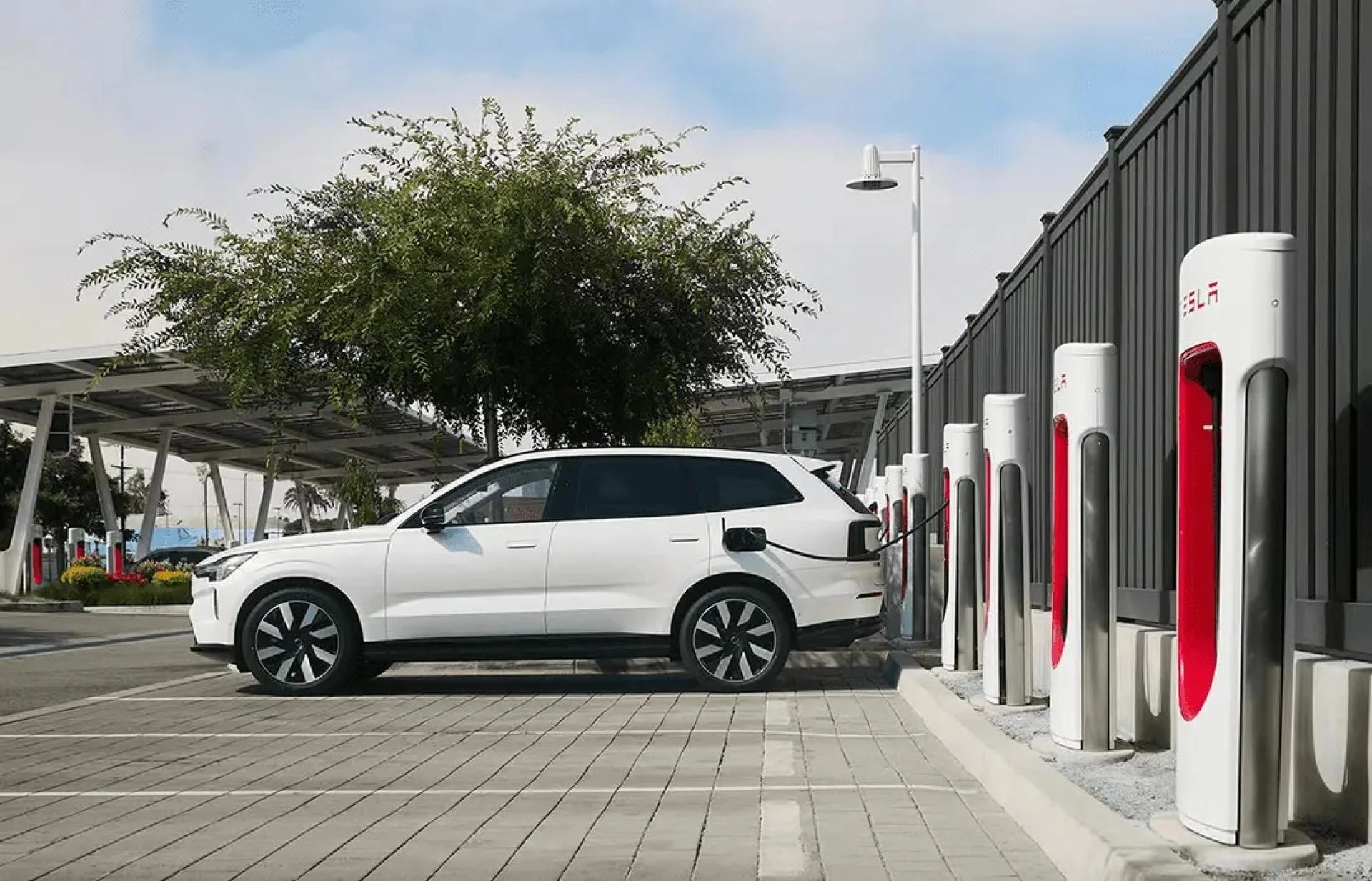
As electric vehicles (EVs) become increasingly common in cities and suburbs, the demand for smarter, more efficient home charging solutions continues to grow. Among the most innovative advancements leading this change is Dynamic Load Balancing (DLB) — a technology that intelligently manages your home’s electrical capacity to ensure your EV charges safely, efficiently, and economically.
By continuously monitoring real-time power consumption and automatically adjusting distribution between chargers and household appliances, DLB transforms a standard EV charger into a dynamic energy management system designed for the modern smart home.
Understanding Dynamic Load Balancing
Dynamic Load Balancing shifts charging from fixed-allocation power systems toward responsive, data-driven distribution. Traditional load-balancing setups allocate a fixed amount of power to each charger or appliance, regardless of real-time demand. If multiple high-power devices operate simultaneously, breakers may trip, or charging slows.
By contrast, DLB-enabled chargers continuously monitor home electrical load and dynamically adjust charging output. For example:
- If a dishwasher finishes, the charger increases power.
- If the air conditioner cycles on during a heatwave, the charger throttles to prevent overload.
This responsiveness improves safety, efficiency, and performance, reducing wasted capacity and often accelerating charging without exceeding the limits of your home’s wiring.
Benefits of Dynamic Load Balancing in Home Charging
1. Preventing Overloads and Increasing Safety
DLB reduces the risk of circuit overloads, particularly in older homes with limited panel capacity. By scaling back EV charging automatically when necessary, DLB prevents breaker trips, mitigates electrical hazards, and reduces the need for expensive panel upgrades.
2. Optimizing Charging Speed
DLB allows chargers to use all available headroom safely. When household demand drops, the charger increases current to accelerate charging. The system ensures near-optimal charging speed without manual intervention, even during peak power usage.
3. Lowering Energy Costs
DLB can work alongside time-of-use (TOU) electricity plans to shift charging to lower-cost periods. By dynamically allocating power and avoiding inefficiencies, homeowners may reduce utility bills while maintaining convenient charging.
4. Supporting Multiple Chargers or High-Load Appliances
DLB enables safe operation when multiple EV chargers or other heavy-load devices share the same panel. It dynamically distributes power, allowing future expansion without costly rewiring or panel upgrades.
5. Grid-Friendly Operation
By smoothing peaks in home energy demand, DLB reduces stress on local distribution networks. Aggregated across many homes, this behavior can support demand-response programs, potentially lowering reliance on peaker plants and qualifying homeowners for incentives.
How Charge-Management Systems Work
A Charge Management System (CMS) coordinates multiple chargers and monitors other household loads. Key functions include:
- Monitoring real-time power draw from chargers and other circuits
- Redistributing available capacity according to user priorities or preset protocols
- Scheduling charging based on electricity rates or household usage patterns
- Supporting cloud-connected dashboards for remote monitoring, firmware updates, and analytics
DLB can operate via local hardware controllers or cloud software, ensuring safe, efficient power sharing while complying with electrical codes.
Real-World Applications
Residential EV Owners
DLB is particularly useful in homes with limited panel capacity. Combined loads — EV charging plus HVAC, laundry, or cooking — coexist harmoniously, reducing service calls and delaying panel upgrades.
Multi-Vehicle Households
For homes with two or more EVs, DLB ensures total charging power stays within panel limits while dynamically prioritizing vehicles. Owners can set policies (e.g., “Vehicle A charges first”) or let the system automatically allocate power efficiently.
Small Businesses or Multi-Unit Garages
DLB enables multiple chargers to share limited electrical capacity safely. It integrates with access control, billing, or usage logging, making it ideal for shared garages, small fleets, or apartment complexes.
Grid-Interactive and Demand-Response Programs
DLB-equipped chargers can respond to utility signals, temporarily reducing charging during peak demand to earn rebates, TOU discounts, or other incentives.
Technology Behind Dynamic Load Balancing
DLB relies on several technical components:
- Current and load sensors: Detect real-time draw on EVSE and household circuits.
- Communication bus or network: Enables chargers and controllers to exchange data via Ethernet, Wi-Fi, Zigbee, or proprietary protocols.
- Control logic/firmware: Algorithms determine power allocation based on priority, demand, and safety limits.
- User interface/scheduling software: Allows homeowners to configure charge times, priorities, and power limits.
- Regulatory compliance: Ensures adherence to local codes and breaker ratings.
- Optional solar/battery integration: Balances grid draw with on-site renewable energy or storage.
Challenges and Considerations
- Cost of Smart Hardware: DLB-equipped chargers have higher upfront costs.
- Installation Complexity: Older homes may require additional sensors or wiring.
- Connectivity Reliance: Cloud-dependent systems introduce cybersecurity and firmware risks.
- User Behavior: Optimization depends on proper scheduling and usage habits.
- Regulatory and Utility Compatibility: Local codes or utility policies may impose limits.
Expert Perspective
“Dynamic Load Balancing transforms the home EV charger from a dumb power draw into an active participant in the household energy ecosystem,” — Dr. Marina Ruiz, Energy Systems Engineer.
Installer surveys indicate that over 60% of homeowners now request load-balancing features, reflecting growing awareness of safety, efficiency, and cost benefits.
The Road Ahead
As EV adoption accelerates, DLB is likely to become standard. Automakers are integrating chargers with home energy systems, including solar and battery storage. Pilot programs in California, New York, and the EU are testing aggregated grid-coordinated load balancing, potentially shaping future regulations and incentives.
What to Look For in a DLB Charger
FeatureWhy It MattersReal-time current monitoringPrevents over-draw and ensures accurate load managementMultiple-station supportEnables multi-EV households or future expansionUser-configurable priorities/schedulingAligns charging with lifestyle and electricity tariffsConnectivity (local/cloud)Enables monitoring, firmware updates, and analyticsRegulatory complianceUL/IEC certifications ensure safe installationIntegration with solar/battery storageMaximizes renewable energy use and off-peak charging
Bottom Line
Dynamic Load Balancing transforms home EV charging from static power draw to adaptive, intelligent energy management. Benefits include:
- Safer operation and overload prevention
- Faster charging when home load allows
- Lower energy costs and optimized electricity usage
- Seamless support for multiple vehicles and high-demand appliances
- Grid-friendly, sustainable energy practices
As EVs become mainstream, DLB-enabled chargers may soon become the baseline expectation for energy-conscious, future-proof homes. For homeowners, investing in a smart charger with dynamic load management is not just convenient — it’s a forward-looking strategy for safety, efficiency, and resilience.It's important to know about Google SEO to help your website rank higher in search results.
























Sign in to leave a comment.