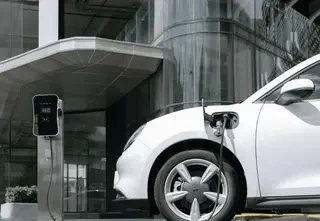

Electric Vehicle Charging Load Management: Powering Scalable and Reliable EV Infrastructure
Introduction
As electric vehicle (EV) adoption accelerates worldwide, local electrical grids face growing pressure. Modern EVs demand significant power for daily charging, and when multiple vehicles charge simultaneously—especially at high power levels—the combined load can exceed the capacity of a building or local distribution network.
This challenge has driven utilities, technology providers, and infrastructure developers to rethink how electricity is allocated and managed across EV charging systems. Electric Vehicle Charging Load Management (EVCLM)—also known as load balancing or charging power optimization—has become a critical component of next-generation charging infrastructure. It enables intelligent, safe distribution of energy, allowing more EVs to charge simultaneously without costly electrical upgrades.
Open, interoperable platforms such as LiCB Charge, built around the Open Charge Point Protocol (OCPP), further expand load management capabilities. These systems allow site owners to integrate chargers from different brands while maintaining centralized control over power allocation.
This article explores the purpose, strategies, and technologies behind EV charging load management, including Static Load Management (SLM) and Dynamic Load Management (DLM), and their role in enabling energy efficiency, grid reliability, and scalable EV adoption.
What Is Electric Vehicle Charging Load Management?
EV charging load management is the intelligent allocation of electrical power across multiple chargers within a location—residential buildings, commercial facilities, or fleet depots. Instead of each charger drawing its full rated capacity—which risks overloading the system—load management monitors real-time conditions and adjusts power distribution.
This approach is crucial in environments with limited electrical capacity or fluctuating demand, including:
- Multi-unit residential buildings (condominiums, high-rises, shared parking garages)
- Commercial workplaces with dozens or hundreds of employee chargers
- Public charging hubs serving high volumes of users
- Older buildings without capacity for major electrical upgrades
- Fleet operations such as delivery, logistics, taxis, and municipal vehicles
Without load management, property owners may face expensive and prolonged electrical upgrades. By intelligently distributing power, more chargers can operate within existing infrastructure, enabling scalable EV deployment at lower cost.
Core Load Management Strategies
There are two foundational approaches in EV load management:
- Load Sharing
- Power is proportionally divided among all connected chargers. When a new vehicle plugs in, each charger receives a slightly smaller share of available power.
- Load Shedding
- When electrical demand reaches a predefined limit, the system temporarily reduces or pauses charging for select chargers to prevent overload and protect critical building systems.
Both approaches allow EV infrastructure to operate safely within the limits of the electrical service, even during peak usage.
Why Load Management Matters
- Preventing Overloads and Power Failures
- Load management maintains equilibrium between consumption and available power, avoiding spikes that could exceed building capacity.
- Reducing Infrastructure Costs
- Installing multiple high-power chargers without load management may require:
- New transformers
- Service upgrades
- Larger electrical panels
- Heavier cabling
- Load management allows efficient use of existing infrastructure, reducing or eliminating these costs.
- Improving Energy Efficiency
- Power distribution can be adjusted based on energy availability or peak grid periods, minimizing waste and supporting sustainability goals.
- Supporting Grid Stability
- Intelligent management prevents sudden spikes in demand that could destabilize local grids.
- Maximizing Charger Deployment in Limited Spaces
- Buildings with finite electrical capacity can support more chargers when power is allocated intelligently.
Key Load Management Approaches
A. Load Balancing
Divides available power evenly across active chargers. If total demand rises, charging speeds automatically scale down to prevent overload.
B. Demand Response
Integrates with utility programs to adjust charging during peak events:
- Reduces charging rates
- Pauses lower-priority chargers
- Shifts sessions to off-peak hours
Site owners may receive financial incentives for participating in demand response programs.
C. Energy Storage Integration
On-site batteries can:
- Charge during low-demand or low-cost periods
- Discharge energy during peak hours
This reduces utility costs, grid load, and charging interruptions, and enables fast charging in areas with limited grid capacity.
Static Load Management (SLM)
SLM balances power within a fixed, predefined limit, ensuring total consumption does not exceed electrical capacity.
How it works:
Each charger is assigned a maximum power allocation. The system enforces this limit regardless of real-time fluctuations.
Advantages:
- Predictable behavior
- Simple implementation
- Low cost
Ideal for:
- Small to medium installations
- Residential buildings
- Workplaces with predictable patterns
Limitations:
- Cannot dynamically adjust to real-time consumption or grid changes
Dynamic Load Management (DLM)
DLM continuously monitors energy use and allocates power to each charger dynamically.
How it works:
Sensors and smart meters track:
- Overall electricity usage
- Available spare capacity
- Individual charger demand
- Real-time consumption changes
Power is allocated based on availability, maximizing charging speed when the grid is underused and scaling down during peak demand.
Advantages:
- Real-time optimization
- Maximized charging performance
- Increased charger density
- Improved grid flexibility
- Integration with renewables and energy storage
Best suited for:
- Large commercial sites
- Public fast-charging stations
- Fleet depots
- Smart city initiatives
DLM represents the cutting edge of EV charging optimization, enabling scalable, sustainable, and efficient operations.
Open Standards and Interoperability: OCPP
Modern load management relies on communication between chargers, management platforms, and energy meters. The Open Charge Point Protocol (OCPP) is the global standard enabling:
- Interoperability between different charger brands
- Centralized monitoring and control
- Dynamic load allocation
- Future scalability via software updates
Open, hardware-agnostic platforms like LiCB Charge allow site owners flexibility while maintaining unified load management control.
Applications of Load Management
- Multi-Unit Residential Buildings
- Fair power allocation for residents
- Automated charging schedules
- Accurate energy billing
- Commercial Workplaces
- Supports dozens of chargers
- Maintains stable power for essential systems
- Retail & Public Hubs
- Dynamic allocation for peak traffic
- Efficient energy use
- Industrial & Fleet Operations
- Priority charging for critical vehicles
- Predictable operations
Conclusion
Electric Vehicle Charging Load Management is foundational to modern EV infrastructure. As adoption rises, load management—through SLM and DLM—ensures efficient, safe, and scalable charging in homes, workplaces, fleets, and public networks.
Open protocols like OCPP and intelligent platforms such as LiCB Charge enable flexible, efficient, and future-ready EV charging. As the EV landscape evolves, load management will remain essential for a stable, sustainable, and reliable charging ecosystem capable of supporting widespread electrification.It's important to know about Google SEO to help your website rank higher in search results.



























Sign in to leave a comment.