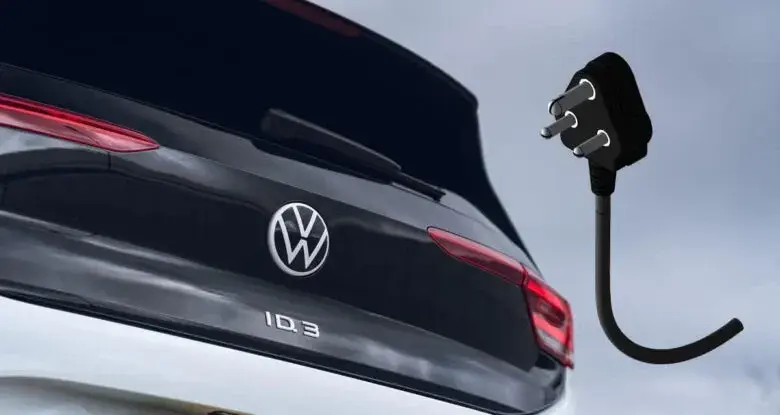

As electric vehicles (EVs) cement their status as a mainstream mobility choice globally, charging convenience has emerged as a pivotal driver of consumer acceptance. While high-power AC wallboxes and DC fast chargers often take center stage in conversations about EV infrastructure, the humble 3-pin EV charger remains a staple—particularly for new EV owners and residential users—thanks to its unmatched accessibility and simplicity.
Known as Level 1 charging, this solution enables direct EV charging from a standard household socket. Despite its slower charging speeds relative to dedicated EV chargers, its cost-effectiveness, ease of use, and universal compatibility make it an indispensable part of the EV charging landscape.
This guide delivers a thorough breakdown of 3-pin EV chargers, covering their definition, operational mechanics, pros and cons, safety protocols, common applications, and future prospects. Equipped with this knowledge, EV users, installers, and industry stakeholders can make informed choices about when and how to leverage 3-pin charging for optimal results.
What Is a 3-Pin EV Charger?
A 3-pin EV charger is a basic, portable charging device that links an electric vehicle to a standard three-pin household power outlet. Its core component is a charging cable integrated with an in-cable control and protection device (IC-CPD)—a module that regulates power flow and delivers critical safety safeguards.
Unlike fixed wall-mounted EV chargers, 3-pin units require no specialized installation. They plug directly into existing household sockets, making them the most convenient and widely available charging option for EV owners across the globe.
Operating voltages vary by regional electrical standards:
- 220–240V AC: Common in Europe, Asia, and most other international markets
- 110–120V AC: Standard in North America and select regional markets
Charging power typically ranges from 1.8 kW to 3.0 kW, constrained by the rated capacity of household sockets and the charger’s design specifications.
How a 3-Pin EV Charger Works
The 3-pin EV charger’s operation is intuitive, yet it incorporates multiple safety layers to ensure secure charging sessions.
- Power ConnectionThe charger draws electricity from a standard household outlet via a three-pin plug, which establishes three key connections: live, neutral, and earth. This grounding element is critical for preventing electrical hazards.
- In-Cable Control and ProtectionThe built-in IC-CPD acts as the charger’s "brain," communicating with the vehicle’s onboard systems to adjust charging current dynamically. It also continuously monitors for potential faults, including overcurrent, overheating, and electrical leakage.
- Vehicle Charging InterfaceOn the vehicle side, the charger connects through a standardized EV connector—usually Type 1 (common in North America and Asia) or Type 2 (predominant in Europe)—matching regional and vehicle-specific requirements.
- Charging RegulationThe vehicle’s onboard charger converts incoming AC power into DC power, which is used to replenish the battery. The charging rate is limited by two factors: the maximum current the household socket can supply, and the vehicle’s onboard charger capacity.
This streamlined process allows EV owners to charge their vehicles safely using existing residential electrical infrastructure, with no additional modifications needed.
Typical Power Output and Charging Speed
Slow charging speed is the defining trait of 3-pin EV chargers, but this limitation is irrelevant for many common use cases.
Charging Power Specifications
- Standard household socket rating: 10–13A
- Typical power output in 230V regions: 2.0–2.3 kW
Estimated Charging Times
Charging duration depends on the vehicle’s battery capacity and initial state of charge. For reference:
- A compact EV with a 20–30 kWh battery: 10–15 hours for a full charge
- A mid-size EV with a 50–60 kWh battery: 20–30 hours for a full charge
For these reasons, 3-pin charging is best suited for overnight charging at home or emergency top-ups, rather than daily use by drivers with high mileage demands.
Advantages of 3-Pin EV Chargers
Despite their modest performance, 3-pin EV chargers offer unique benefits that keep them relevant in the evolving EV market.
- Universal AccessibilityVirtually every household has compatible three-pin sockets, eliminating the need for costly electrical upgrades or dedicated charger installations. This lowers the barrier to entry for first-time EV owners.
- Cost-Effectiveness3-pin chargers are typically included with new EV purchases, and they cost far less than wall-mounted units. There are also no professional installation fees, making them the most economical charging solution available.
- PortabilityLightweight and compact, these chargers can be easily stored in a vehicle’s trunk. This allows drivers to charge at home, at friends’ or family members’ houses, or during travel—even in areas with limited public charging infrastructure.
- Plug-and-Play SimplicityThere is no complex configuration, app setup, or networking required. Users simply plug the charger into a socket and connect it to the vehicle to start charging.
Limitations of 3-Pin EV Charging
3-pin chargers are not a one-size-fits-all solution, and they come with notable drawbacks.
- Glacially Slow Charging SpeedThe low power output makes this option impractical for drivers who travel long distances daily, require frequent fast charging, or own EVs with large-capacity batteries (80 kWh or more).
- Socket and Wiring ConstraintsStandard household sockets are engineered for intermittent use, not prolonged high-current draw. Continuous charging over 10+ hours can cause:
- Socket overheating
- Wear and tear on the plug and cable
- Compromised safety if the home’s wiring is outdated or substandard
- Lack of Smart FeaturesUnlike modern wall-mounted chargers, 3-pin units typically lack advanced functionalities such as smart charging scheduling, energy consumption monitoring, load balancing, and smartphone-based remote control.
Safety Considerations for 3-Pin EV Chargers
Safety is paramount when using 3-pin EV chargers, as they rely on general-purpose household outlets rather than dedicated EV charging infrastructure.
Built-In Safety Protections
Most modern 3-pin chargers are equipped with a suite of safeguards:
- Overcurrent and overvoltage/undervoltage protection
- Overtemperature shutdown
- AC and DC residual current detection (to prevent electrical leakage)
- Ground fault detection
These features drastically reduce risks when the charger is used as intended.
Socket Quality and Compatibility
EV owners should adhere to these best practices:
- Use only sockets in good condition, with no signs of damage or loose connections
- Ensure the home’s wiring meets local electrical codes and standards
- Never use extension cords or adapter plugs, which can cause overheating
- Opt for dedicated sockets with higher current ratings (13A or above) where possible
RCD and Ground Protection
Proper earthing is non-negotiable for safe charging. In many regions, electrical codes require additional residual current device (RCD) protection in the home’s distribution board to mitigate the risk of electric shock.
Applications of 3-Pin EV Chargers
Residential Home Charging
For EV owners with low daily mileage (under 50 km), 3-pin chargers can fully satisfy charging needs through overnight charging, ensuring the vehicle is ready to go each morning.
Backup and Emergency Charging
Even drivers who have installed wall-mounted chargers often keep a 3-pin unit as a backup. It can be used if the primary charger malfunctions, during power outages, or while traveling to remote areas with no public charging stations.
Temporary Installations
3-pin chargers are ideal for scenarios where permanent charging infrastructure is not feasible, such as:
- Rental properties
- Short-term accommodation (e.g., vacation homes)
- Construction sites
- Fleet vehicles used for short-term projects
3-Pin EV Chargers vs. Wall-Mounted AC Chargers
| Feature | 3-Pin EV Charger | AC Wallbox Charger |
|---|---|---|
| Power Output | 2–3 kW | 7–22 kW |
| Installation | None (plug-and-play) | Professional installation required |
| Charging Speed | Slow | Moderate to fast |
| Cost | Low (often included with EV) | Higher (charger + installation fees) |
| Portability | High (portable cable) | Fixed (wall-mounted) |
| Smart Features | Limited to basic safety | Advanced (scheduling, monitoring, app control) |
While wall-mounted chargers deliver superior performance, 3-pin units serve as a vital complement—rather than a replacement—for many EV owners.
Regional Standards and Compliance
3-pin EV chargers must adhere to strict regional and international standards to ensure safety, reliability, and compatibility:
- IEC 61851: Global standard for EV conductive charging systems
- IEC 62752: Specific standard for in-cable control and protection devices (IC-CPDs)
- National wiring regulations (e.g., BS 7671 in the UK, NEC in the US) and safety certifications
Compliance with these standards is non-negotiable for manufacturers and ensures that chargers work seamlessly with vehicles and electrical grids across different markets.
Maintenance of 3-Pin EV Chargers
Proper maintenance is essential to ensure the long-term safety and performance of 3-pin EV chargers, especially given their frequent use for extended charging sessions.
Routine Visual Inspections
Before each use, check the charger for signs of damage:
- Cuts, cracks, or exposed wires on the cable
- Discoloration or melting of the plug pins (a sign of overheating)
- Loose connections between the plug and socket
If any damage is detected, stop using the charger immediately and have it inspected or replaced.
Cleaning and Storage
- Keep the charger clean and dry to prevent dust and moisture from affecting electrical contacts.
- Store the charger in a cool, dry, ventilated area when not in use, and avoid placing heavy objects on the cable.
Safety Function Testing
Periodically test the charger’s built-in safety features (e.g., residual current protection) according to the manufacturer’s instructions. Frequent tripping or abnormal behavior indicates a need for professional inspection.
The Role of 3-Pin Chargers in EV Adoption
3-pin EV chargers play a critical role in driving global EV adoption by:
- Lowering the financial barrier to entry for new EV owners
- Supporting early-stage EV markets where public charging infrastructure is sparse
- Providing a universal, plug-and-play charging solution that requires no upfront investment
In many emerging markets, 3-pin charging is the first—and often only—option available to EV owners, making it a cornerstone of early EV ecosystem development.
Future Outlook for 3-Pin EV Chargers
As fast charging technology advances, 3-pin EV chargers are unlikely to become obsolete. Instead, they will evolve to meet changing market needs with:
- Enhanced safety features and more durable connectors
- Improved thermal management to reduce overheating risks
- Better compatibility with smart energy systems (e.g., integration with home solar panels)
Moving forward, 3-pin chargers will continue to serve as an essential entry-level and backup charging solution, complementing high-power AC and DC chargers in the global EV infrastructure.
Conclusion
The 3-pin EV charger remains a fundamental component of the global EV charging ecosystem, offering unmatched accessibility, affordability, and simplicity. While it cannot match the speed of dedicated wall-mounted or fast chargers, it fills a critical niche for residential users, new EV owners, and drivers who require a portable backup solution.
For many EV owners—especially those with low daily mileage and access to overnight charging—a 3-pin charger is more than sufficient to meet their needs. When used safely and in compliance with electrical standards, it supports the broader goal of making electric mobility accessible to everyone, everywhere.
As EV adoption accelerates worldwide, the 3-pin charger will continue to play a vital supporting role, ensuring that charging is always within reach—whether at home, on the road, or in remote areas with limited infrastructure.China manufacturer offers high-quality industrial products with competitive pricing and advanced production capabilities.





























Sign in to leave a comment.