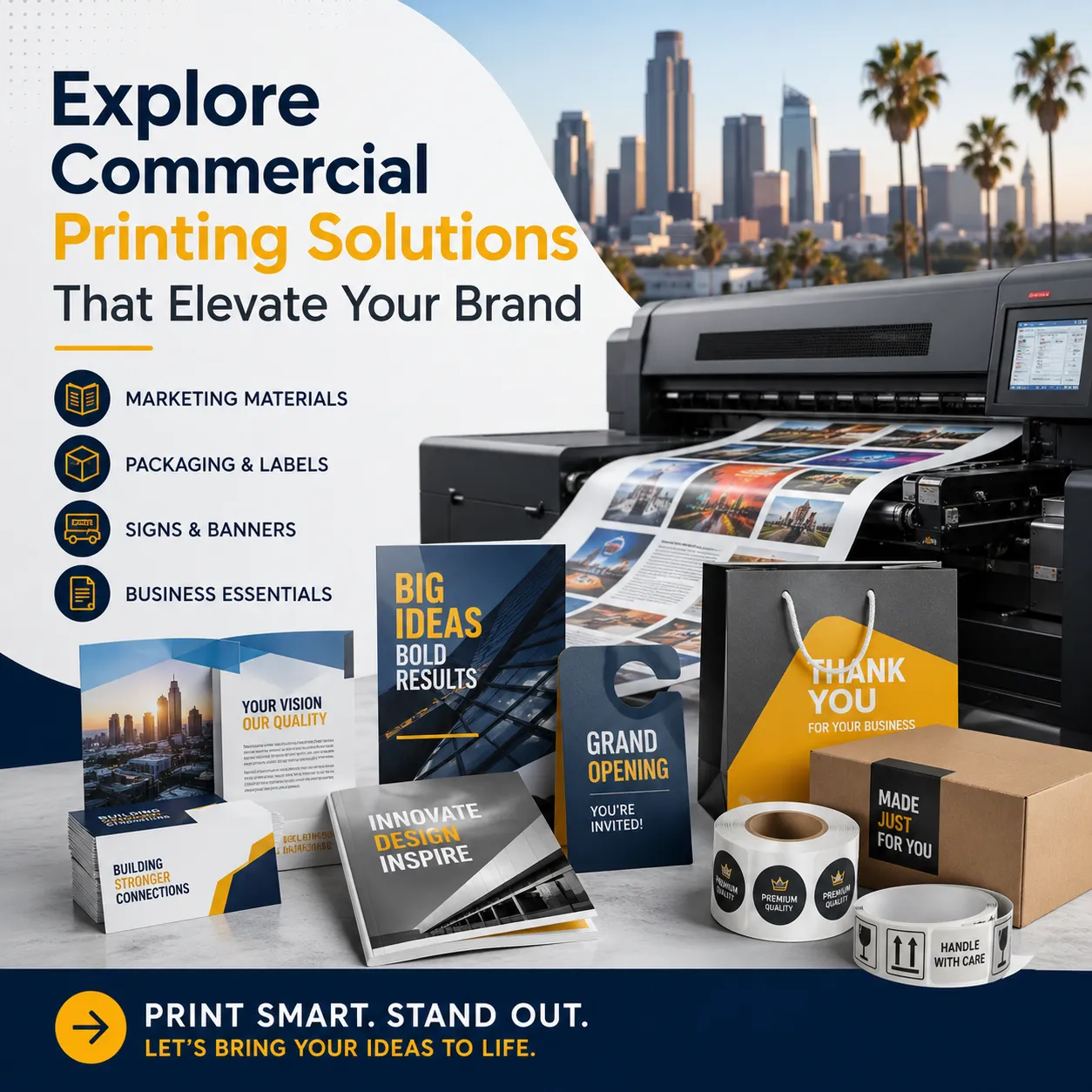
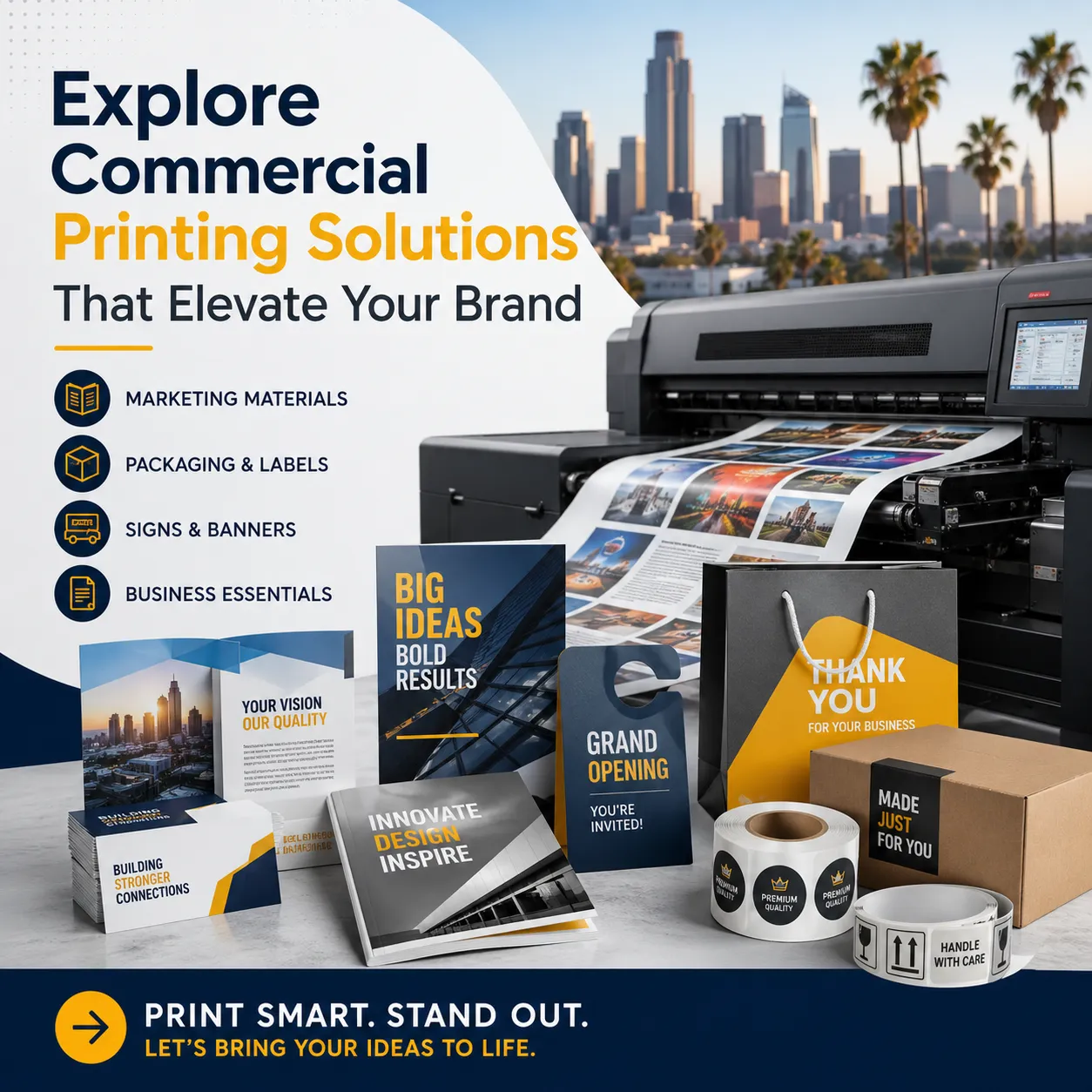
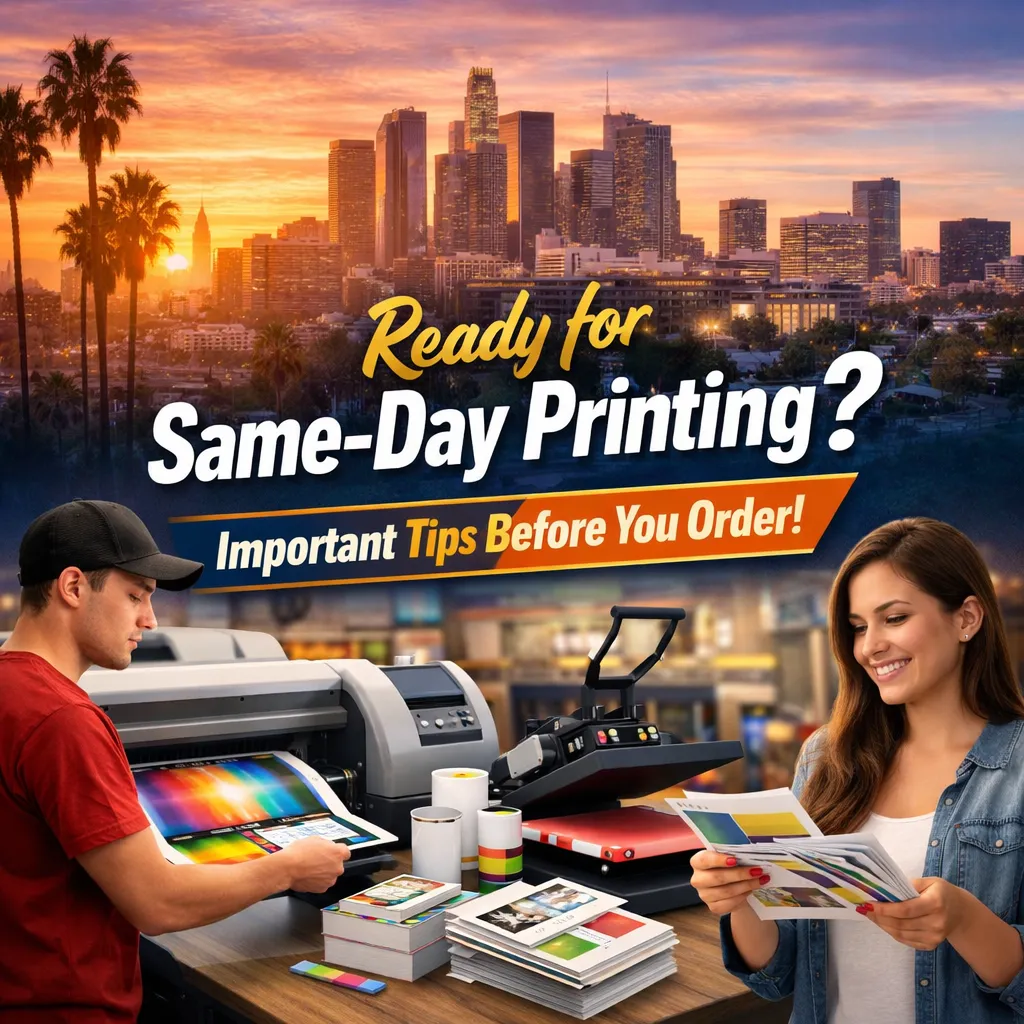
Every business, from a small local startup to a large corporation, needs printed materials at some point. Whether it is a product launch, a corporate event, or everyday brand communication, the right printing solution makes all the difference. Printing in Los Angeles, CA, is a competitive and diverse industry, offering businesses access to a wide range of technologies, materials, and specialized services. Understanding which type of commercial print solution fits your specific needs saves time, money, and frustration before you ever place an order.
What Is Commercial Printing and Why Does It Matter for Businesses?
Commercial printing refers to professional-grade printing used for business purposes rather than personal use. It covers everything from large-format banners to small promotional cards. The volume, quality, and turnaround requirements of business printing are far more demanding than what a standard office printer can handle.
Businesses rely on printed materials to:
- Build brand recognition through consistent visual identity
- Communicate promotions, offers, and product launches
- Create lasting impressions at trade shows and events
- Support sales teams with physical marketing collateral
- Maintain professional credibility with clients and partners
Which Types of Commercial Printing Solutions Are Available?
Offset Printing
Offset Printing is one of the oldest techniques employed in printing. In this case, there is an imprint of ink on a plate that moves through a rubber blanket to make an impression on the paper. Offset printing suits those clients who want large orders and accurate colors. Large volumes of brochures, magazines, or catalogs can be produced using this technique.
Key strengths: sharp image quality, cost-effective at scale, wide material compatibility.
Digital Printing
Digital printing does not require any plates whatsoever. The information is transmitted right from the computer to the printer. Digital printing is great for short-run printing and fast production cycles. One of the most common applications of digital printing is for businesses that require customized data.
Key strengths: fast production, low minimum quantities, easy customization.
Large Format Printing
Large format printing is designed for oversized materials like banners, posters, trade show displays, vehicle wraps, and window graphics. This type of printing requires specialized equipment and ink systems that hold up under outdoor conditions and direct sunlight.
Key strengths: high visual impact, durable finishes, suitable for indoor and outdoor use.
Screen Printing
In screen printing, ink is forced through a mesh stencil onto the surface. This process is extensively applied in printing on clothes, advertising products, and specialized packaging. Ink lies on the surface without being absorbed by it, hence producing vivid effects.
Key strengths: rich colors, long-lasting durability, excellent for textiles.
Specialty and Finishing Services
Beyond the core printing methods, Los Angeles print shop services often include finishing options that elevate the final product. These include foil stamping, embossing, UV coating, die-cutting, and lamination. These techniques add texture, shine, and structure to printed pieces, making them stand out in competitive markets.
How Do You Choose the Right Printing Method for Your Project?
Choosing the right method depends on three main factors: quantity, material, and purpose.
- For high-volume projects with consistent specs, offset printing delivers the best cost-per-unit value
- For small runs or personalized pieces, digital printing offers flexibility without waste
- For visual displays and signage, large-format printing creates the impact you need
- For branded merchandise, screen printing provides vibrant and lasting results
- For premium branded materials, specialty finishing adds that polished, professional touch
When working with business printing experts in Los Angeles, always share your end goal before selecting a method. A skilled print partner will match your vision to the most efficient and cost-effective production process.
What Materials Are Commonly Used in Commercial Printing?
The process of commercial printing is applicable to a wide variety of substrates, ranging from coated or uncoated paper stock, vinyl, canvas, fabric, cardboard, and hard plastics. Different types of substrates will result in different levels of durability, color brilliance, and tactile experience. The quality of the substrate also impacts consumer perception of your brand.
Whether you are preparing for a major product launch or refreshing your everyday brand materials, working with an experienced commercial print team in Los Angeles gives your business access to the right technology, quality standards, and industry knowledge. Take time to outline your project goals, ask about material options, and request samples before committing to a large order. The right printing partner will not just produce your files; they will help you make a stronger impression every time your brand appears in print.

























Sign in to leave a comment.