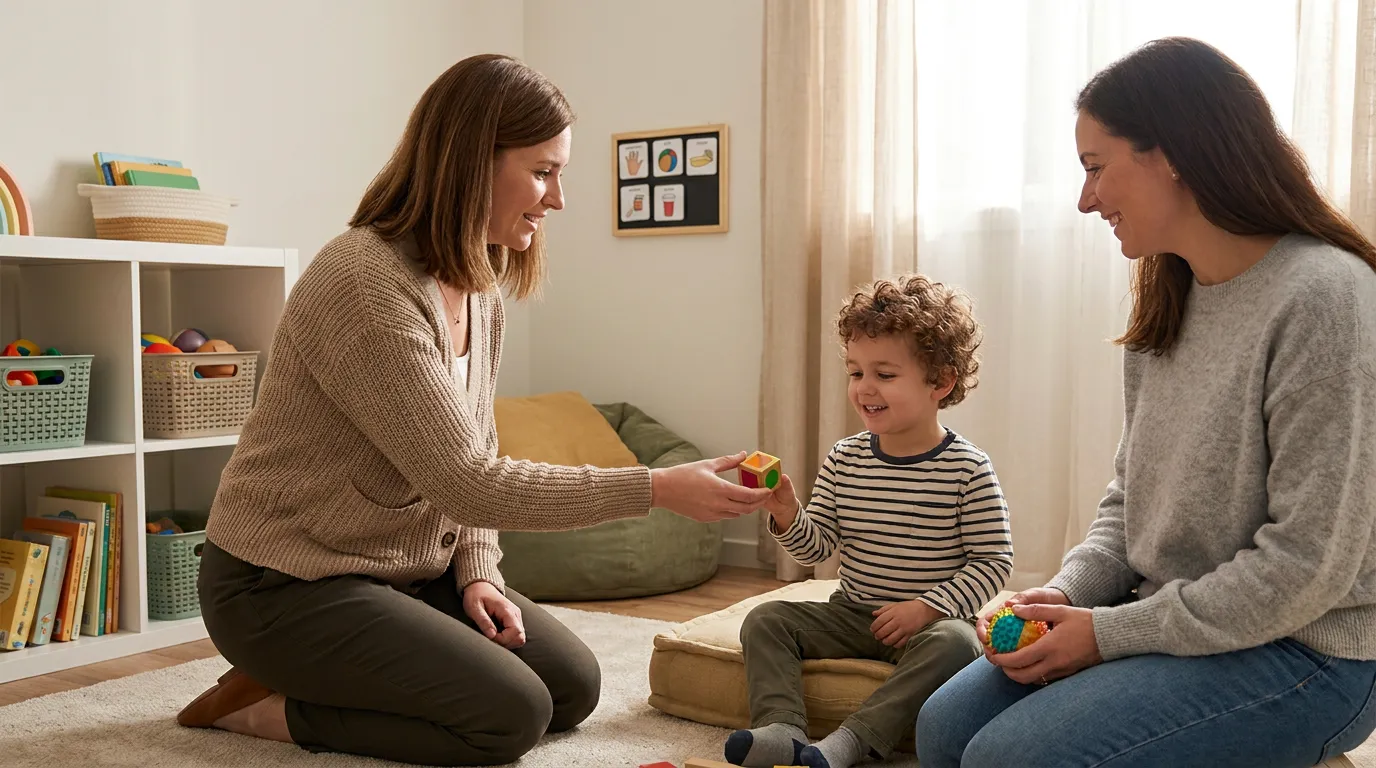

When a child receives an autism spectrum disorder diagnosis, one of the first questions parents ask is: what kind of therapy does my child actually need? The answer depends on the child's unique strengths, challenges, and developmental goals. Autism therapy is not one-size-fits-all — it draws from a range of evidence-based approaches designed to support communication, behavior, social skills, and daily living across all ages.
Understanding what's available helps families make informed decisions and advocate effectively for their child. Therapy programs are typically built around an initial assessment that looks at how a child communicates, interacts with others, responds to their environment, and handles daily routines. From there, a treatment plan is developed and adjusted as the child grows and progresses.
The most widely used and researched approach for autism is Applied Behavior Analysis, commonly known as ABA. But autism therapy services often extend well beyond ABA to include speech-language therapy, occupational therapy, social skills groups, and parent training. Knowing how these services work together — and what to expect from each — gives families a clearer picture of the journey ahead.
Core Components of Autism Therapy Programs
ABA therapy is the foundation of most comprehensive autism treatment plans. It uses structured teaching, positive reinforcement, and data-driven strategies to help children build new skills and reduce behaviors that interfere with learning or daily life. Families looking into aba therapy texas will find that quality programs involve a Board Certified Behavior Analyst (BCBA) who oversees each child's plan, with registered behavior technicians (RBTs) delivering hands-on sessions.
Speech-language therapy addresses communication challenges that are common among children with autism. This can include developing verbal language, improving conversation skills, working on articulation, or using augmentative and alternative communication (AAC) tools for children who are nonverbal or minimally verbal. Therapy sessions are often play-based and tied directly to the child's interests to keep engagement high.
Occupational therapy helps children develop the motor skills and sensory processing abilities they need to navigate daily life. This includes tasks like dressing, eating, writing, and tolerating different textures or sounds. For children who experience sensory sensitivities — which is very common with autism — OT can make an enormous difference in comfort and independence at home and school.
How Services Are Coordinated and Delivered
One of the most important things families should understand is that strong autism therapy programs coordinate across disciplines. A BCBA, speech therapist, and occupational therapist working from a shared understanding of a child's goals will produce better outcomes than siloed services. Parent training is also considered a core part of comprehensive care — when parents and caregivers know how to reinforce skills at home, progress accelerates.
Therapy can be delivered in clinic settings, school environments, or in the home. Home-based therapy is especially valuable for young children or those who have difficulty transitioning between environments. It also allows therapists to work on real-life skills in the setting where the child spends most of their time.
Texas families have access to a growing network of autism therapy providers, and many insurance plans — including Medicaid — are required to cover autism treatment. Understanding your coverage options and what each type of service entails will help you build the most effective team for your child.






























Sign in to leave a comment.