
Finding black spots on insulation paper usually indicates either active mold growth or heavy dust accumulation caused by air leaks. When warm, humid air meets cold attic surfaces, moisture condenses on the paper backing of fiberglass batts and creates a breeding ground for fungi.
Addressing these marks quickly protects your home from structural issues and poor indoor air quality. Backed by years of residential insulation experience, this guide breaks down exactly why these dark spots form and how you can resolve the issue permanently.
What Triggers the Dark Marks on Attic Insulation
Air bypasses and moisture intrusion are the primary culprits behind insulation paper stains. Identifying black spots on insulation paper early allows you to address the root issue before structural wood rot begins. When air leaks through wall cavities or ceiling drywall, the fiberglass acts as a giant filter, trapping dirt while the paper backing traps moisture.
Here are the most common sources of dark markings:
- Condensation: Roof leaks or high humidity levels saturate the paper facing.
- Air Leaks: Unsealed gaps around light fixtures or plumbing stacks pull dirty air through the insulation.
- Fungal Growth: The organic paper backing provides food for fungal spores when moisture levels exceed 19 percent.
- Inadequate Attic Ventilation: Poor airflow traps humid air, forcing moisture to settle on cold surfaces.
These combined issues often lead to kraft paper facing mold, which thrives on the starch-based adhesive used to bond the paper to the glass fibers. Industry data shows that up to 40 percent of a home's heating and cooling energy can be lost due to air leakage, which also carries moisture into the attic. This is why professional Fiberglass Insulation Services are important for identifying moisture-related problems, replacing damaged insulation, and improving the home's overall energy efficiency. Over time, continuous air movement can darken the kraft paper facing, even when there are no visible liquid water leaks.
Professional Fiberglass Insulation Services can also help determine whether discoloration is simply accumulated dust or an active mold problem. Addressing air leaks and replacing moisture-damaged insulation reduces the risk of recurring mold growth while restoring the insulation's thermal performance.
When warm air rises from the living space below, it deposits fine dust particles onto the paper, mimicking the appearance of mold. This filtering action slowly darkens the paper facing without causing organic rot, though it indicates severe bypass issues.
Bonus Tip: Use a simple moisture meter to check the dampness of the paper. If the wood nearby registers above 15 percent moisture, you have an active leak or condensation issue rather than old, dry dust stains.
Evaluating the Risks of Attic Discoloration
Is it safe to leave these marks alone, or do they require immediate action? Understanding whether attic insulation discoloration poses a health hazard depends on the source of the dark marks. Dust stains are harmless, but mold requires rapid intervention.
Here are the main risks associated with damp attic materials:
- Fungal Spores: True mold releases allergens into the air, which can travel into your living spaces through unsealed ceiling penetrations.
- Fiberglass Degradation: Wet paper loses its structural integrity and can fall away from the joists, leaving uninsulated gaps.
- Wood Rot: The same moisture causing paper mold can rot the wood framing of your home, leading to structural failures.
- Pest Attraction: Damp, rotting paper and wood attract pests like termites, carpenter ants, and mice.
Many homeowners ask whether insulation paper mold is safe to touch or breathe around. The answer is no, because certain molds produce airborne irritants that aggravate allergies, asthma, and other respiratory conditions. Even non-toxic mold species can damage the paper facing to the point where it no longer functions as an effective vapor retarder.
When the paper backing decomposes, your home loses its defense against winter moisture migration. This leads to condensation pooling directly inside your ceiling drywall, which causes expensive structural failures over time.
Distinguishing Mold From Dust on Insulation Backing
To help you identify the root cause of black spots on insulation paper, use this quick visual and tactile comparison:
| Characteristic | Mold Growth | Dust Accumulation (Filter Effect) |
|---|---|---|
| Texture | Fuzzy, slimy, or powdery to the touch | Dry, gritty, or powdery |
| Pattern | Circular, spreading spots | Streaky, following air draft patterns |
| Smell | Musty, damp, or earthy | Neutral or dry and dusty |
| Moisture Source | Liquid leaks or high humidity | Air leaks are pushing dry, dirty air |
| Action Needed | Immediate removal and moisture repair | Air sealing and spot replacement |
According to building science research, over 50 percent of apparent mold on kraft facing in dry climates actually turns out to be accumulated household dust filtered through the fiberglass over decades of air leakage. However, only testing or professional inspection can verify this. If the spots are black and circular, mold is highly likely.
Bonus Tip: Spray a tiny drop of household bleach on the spot. Real mold often changes color or fades slightly, while dark dirt and dust will remain unchanged.
4 Steps for Resolving and Fixing Damaged Insulation Paper
Addressing moisture damage to insulation requires systematic action. If you find active mold or water damage, follow these steps to secure your attic:
- Find and Stop the Water Source. You must fix roof leaks, seal bypasses, and ensure bath fans vent directly outside.
- Inspect roof flashing and shingles near the stains.
- Check for gaps around exhaust pipes.
- Verify that your dryer vents do not empty into the attic.
- Dry the Area Completely. Never cover wet insulation with new material, as this traps moisture and accelerates wood rot.
- Use high-volume fans to dry the attic space.
- Ensure soffit vents are completely clear of obstruction.
- Monitor humidity levels until they drop below 50 percent.
- Remove and Replace Affected Materials. If the backing is soft, crumbling, or heavily covered in black spots, it is time to remove it.
- Wear a high-efficiency particulate air (HEPA) mask and gloves.
- Bag the ruined batts immediately to prevent spreading spores.
- Vacuum any loose debris from the joist cavities.
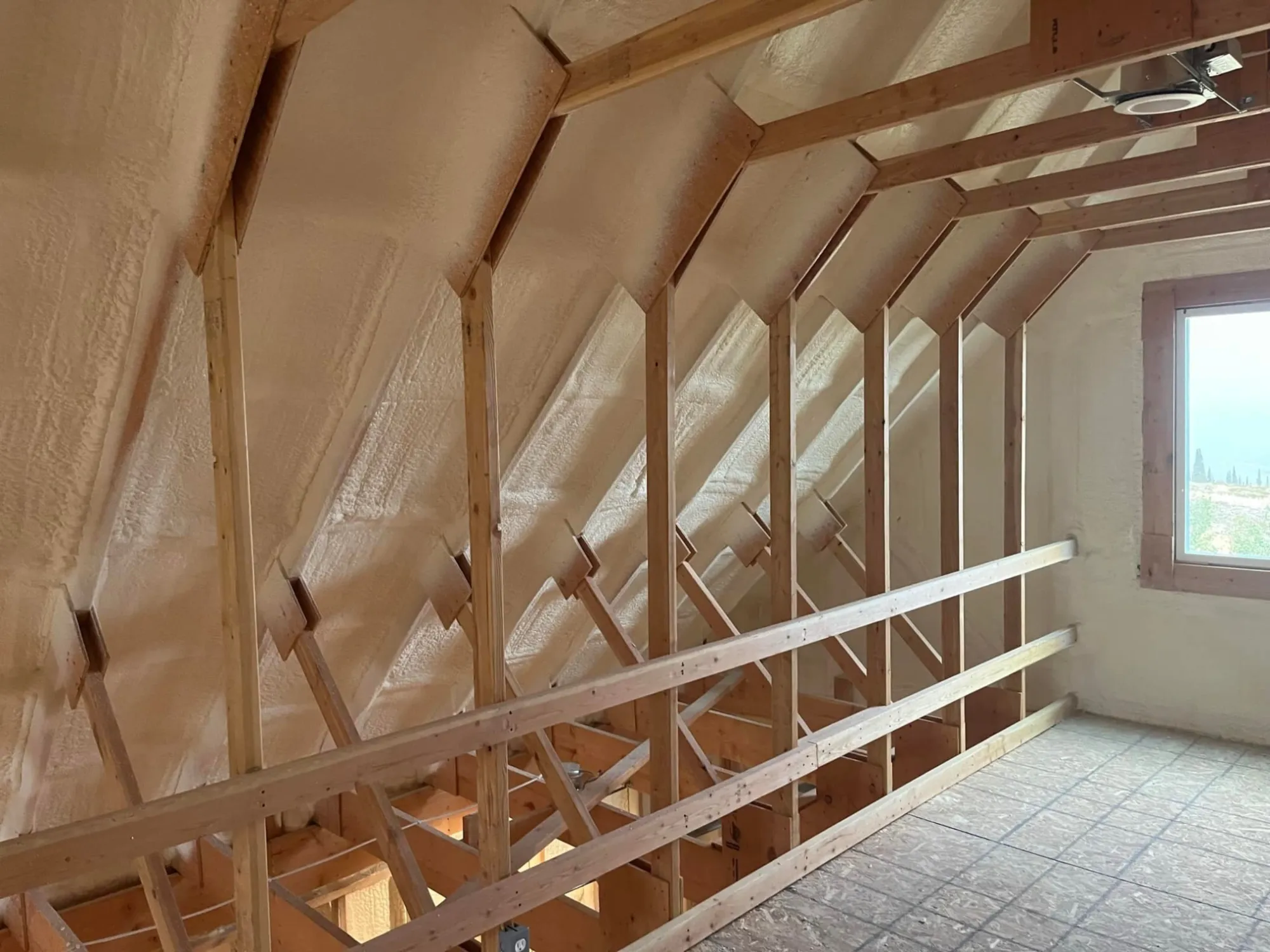
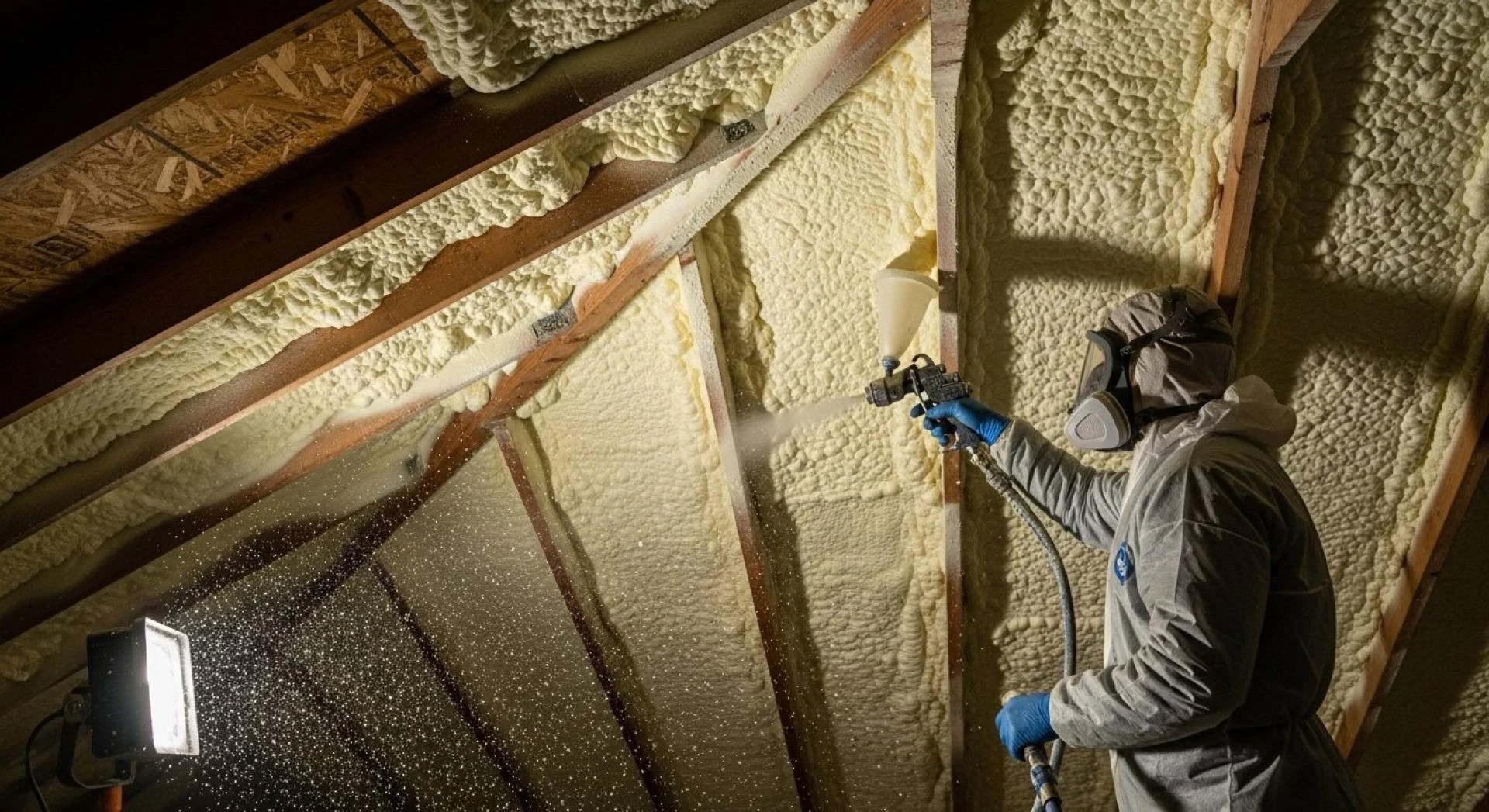
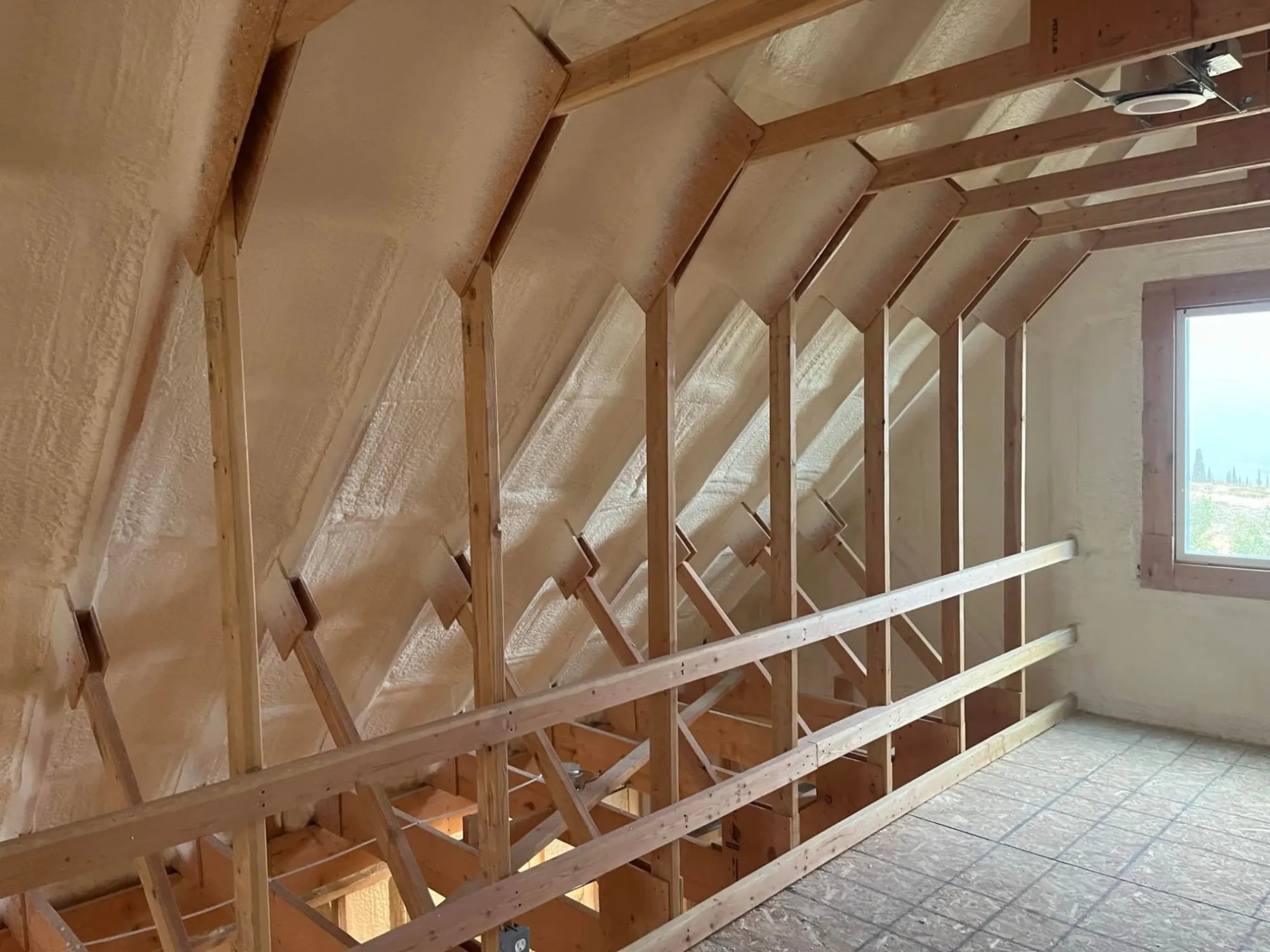
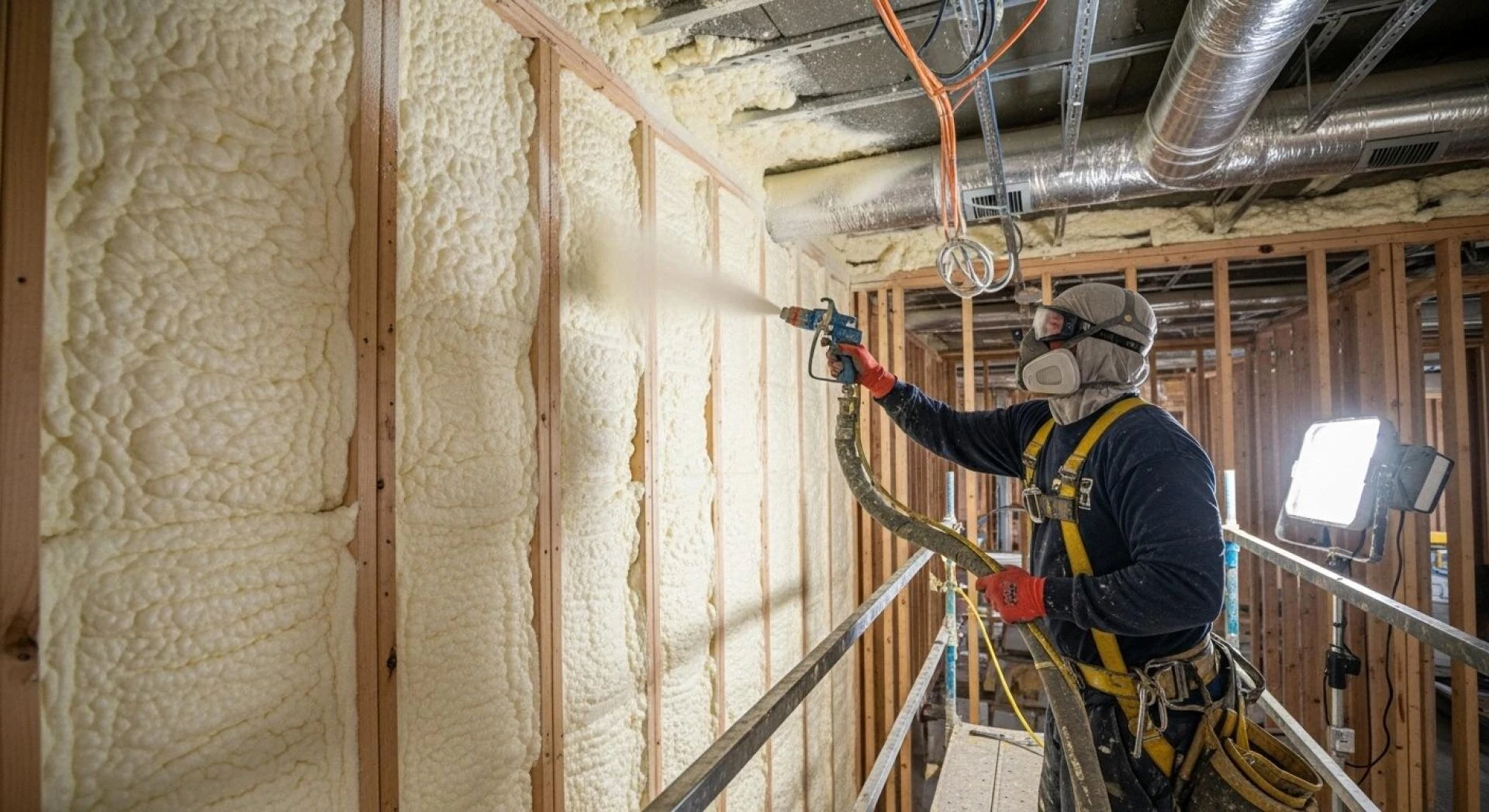
- Seal Air Leaks and Reinsulate. Before placing new material, seal all gaps in the ceiling plane with expanding foam.
- Apply polyurethane foam to bypasses.
- Install new, properly rated insulation batts or blown-in material.
- Keep the paper backing facing the warm-in-winter side of the ceiling.
Executing these steps helps in fixing damaged insulation paper and ensures your thermal envelope remains functional for years. Properly sealed attics stay warmer in the winter and cooler in the summer while preventing condensation from reforming on your paper facing.
Key Factors to Evaluate Before Choosing a Repair Method
Before you decide whether to patch, treat, or completely replace your insulation, consider these essential variables:
- Extent of Damage: If the black spots on insulation paper cover more than 10 percent of your attic, full replacement is usually more cost-effective.
- Climate Zone: Homes in hot, humid coastal regions require different vapor retarder strategies than those in cold, dry mountain climates.
- Overall Insulation Age: If your current fiberglass batts are over 20 years old, replacing them with modern options like spray foam can yield massive energy savings.
- Budget and Timelines: Spot repairs are cheap but do not solve underlying airflow issues that could cause future damage.
Regional weather also dictates your approach. In cold northern climates, the vapor retarder must face downward against the warm ceiling drywall. In hot southern climates, vapor barriers are often omitted or installed on the exterior side to prevent moisture from getting trapped inside the walls during humid summers. This ensures that moisture does not accumulate on the paper facing during the air conditioning season.
Choosing the Best Path Forward for Your Home
Dealing with black spots on insulation paper requires a systematic approach to identify whether you are facing mold or simple air-filtered dust. Take the time to evaluate the dampness, check for roof leaks, and seal air bypasses before laying down new materials. Protecting your home from moisture improves both energy efficiency and indoor comfort. Assess your attic condition today to decide if simple air sealing or a complete insulation upgrade fits your long-term household goals.
Get a Professional Attic Assessment and a Free Quote From Local Insulation Experts
If you suspect your attic has moisture-damaged insulation or severe mold, working with experienced professionals is the safest route. You can contact High Country Solutions to receive a comprehensive attic inspection and a free quote to resolve your insulation issues. Their skilled team offers high-quality residential insulation, air sealing services, and spray foam options to keep your home dry and comfortable. Reach out to them at [email protected] or call (307) 248-9063 to schedule your consultation today.
How Do You Handle Insulation Discoloration Safely?
How do you tell the difference between mold and soot on insulation?
Soot and dust settle in thin, uniform layers along the paths of air currents, while mold grows in patchy, dark, circular clusters. Mold also has a distinct musty odor and requires damp conditions to grow.
Can you spray bleach on the paper insulation facing?
No, spraying bleach on the paper facing is not recommended because the water in the bleach can soak the paper, worsening the moisture issue. Bleach can also weaken the wood joists and paper fibers over time.
Should you remove paper backing before adding more insulation?
Yes, if you add new insulation over existing layers, you must use unfaced batts or slice the paper backing of the new batts. Leaving an intact paper barrier between layers can trap moisture inside the ceiling.
How long does fiberglass insulation paper last before degrading?
Under dry, stable conditions, fiberglass paper facing can last for 50 to 80 years. However, high attic humidity or active roof leaks can degrade the paper backing in less than a year.
Does dirty insulation still hold its thermal resistance?
Slightly dusty insulation retains its R-value, but heavily compressed, wet, or moldy paper-faced insulation loses substantial thermal performance and must be replaced to restore efficiency.





























Sign in to leave a comment.