
Everyday Signs Parents May Notice
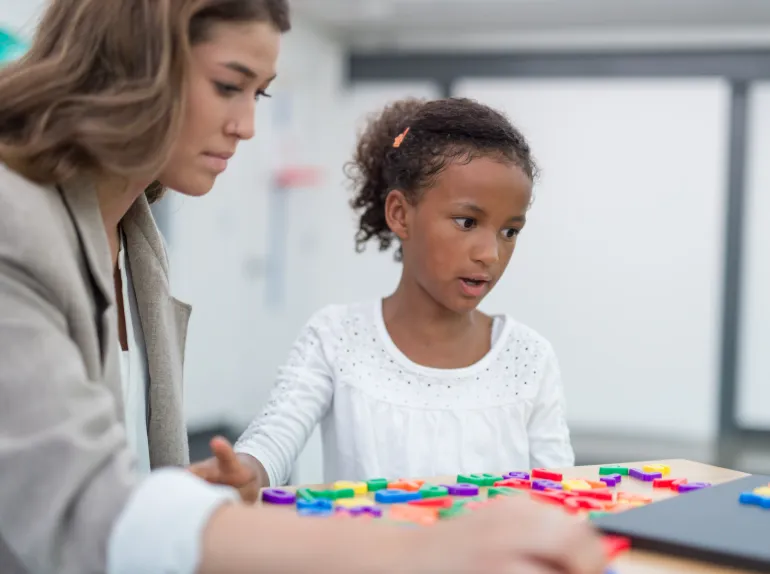
Poor coordination in children can show up in many everyday moments. A child may often bump into furniture, drop toys, struggle to catch a ball, avoid climbing equipment, or appear clumsy compared to other children their age. They may also find it hard to dress themselves, use cutlery, draw, write, or manage buttons and zippers. These challenges are not always caused by a lack of effort. In many cases, the child’s body and brain may be finding it difficult to work together smoothly.
For some families, coordination concerns may also appear alongside developmental differences, sensory processing challenges, or autism. When parents search for occupational therapy for autism near me, they are often looking for practical support that helps children build everyday movement skills, confidence, and independence in a gentle way.
How Motor Planning Affects Movement
Motor planning is the ability to think of an action, organise the body, and complete the movement. Children need motor planning for simple and complex tasks, such as jumping, brushing teeth, copying shapes, or packing a school bag. When motor planning is difficult, a child may know what they want to do but struggle to make their body follow the steps.
This can make new activities feel frustrating. A child may avoid playground games, sport, craft, or handwriting because these tasks require timing, balance, strength, and body awareness. They may need extra time, repeated practice, and clear instructions to feel comfortable.
Why Practice Can Feel Hard
Children with poor coordination may not learn movement skills as quickly through observation alone. While one child may copy a dance move after watching it once, another may need the movement broken into smaller steps. This does not mean the child cannot learn. It simply means they may need a different teaching approach.
Sensory Processing And Body Awareness
Sensory processing plays an important role in coordination. Children rely on information from their muscles, joints, skin, eyes, and inner ear to understand where their body is and how to move safely. When this information is unclear or overwhelming, movement can become unsteady.
Some children may use too much force when writing, hugging, or closing doors. Others may appear floppy, tired, or unsure when climbing stairs or running. A child may also dislike messy play, loud environments, bright lights, or certain clothing textures, which can affect their comfort and participation in daily routines.
The Role Of Balance
Balance is linked to the vestibular system, which helps the body stay upright and steady. If balance is difficult, a child may feel nervous on swings, slides, bikes, scooters, or uneven surfaces. They may prefer seated play because moving through space feels unpredictable.
Muscle Strength And Postural Control
Good coordination depends on core strength and postural control. Children need stable muscles in their trunk, shoulders, and hips to support movement in their arms, hands, and legs. If a child has weaker postural control, they may slump at the table, lean on furniture, tire quickly, or find handwriting uncomfortable.
This can affect school readiness and classroom participation. Sitting still, copying from the board, cutting paper, and using a pencil all require controlled body posture. When the body is working hard just to stay upright, fine motor tasks can feel much harder.
Fine Motor Difficulties
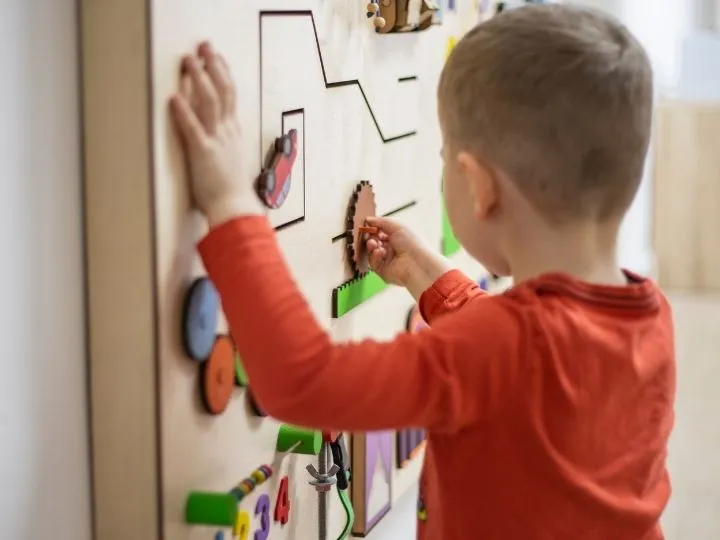
Fine motor skills involve the small muscles of the hands and fingers. Poor coordination may make it hard to hold a pencil, colour within lines, open lunch containers, tie shoelaces, or use scissors. These tasks are important because they support independence at home, preschool, and school.
Developmental Conditions That May Contribute
Poor coordination can be linked with developmental coordination disorder, autism, attention related challenges, sensory processing differences, low muscle tone, or delayed motor development. Some children may have one clear diagnosis, while others may simply show delays in certain movement areas.
It is important not to label a child as lazy, careless, or naughty when coordination is the real challenge. A child who avoids sport may be anxious about falling. A child who refuses handwriting may be struggling with grip, posture, or hand strength. Looking beneath the behaviour helps adults respond with patience and support.
Practical Ways To Support Coordination
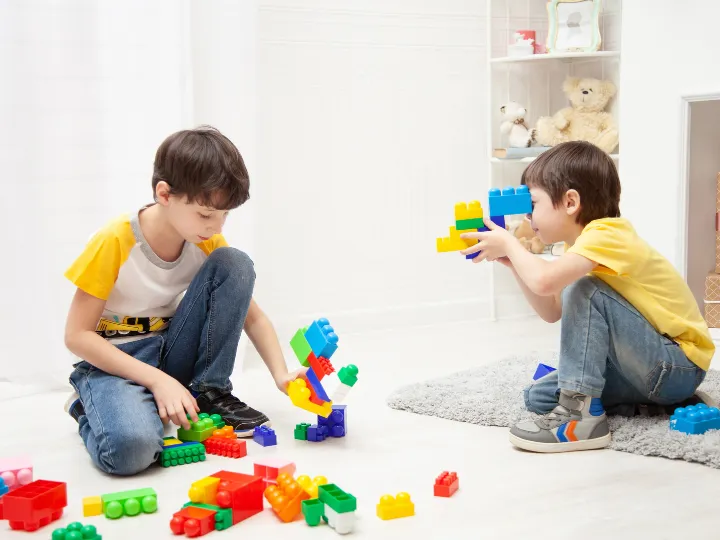
Children benefit from regular movement opportunities that feel playful rather than pressured. Climbing, crawling, jumping, throwing, catching, balancing, drawing, building blocks, threading beads, and playing with playdough can all support coordination in age appropriate ways.
Activities should be matched to the child’s ability. If a task is too easy, the child may lose interest. If it is too hard, they may become upset or avoid it. The best activities offer a gentle challenge while still allowing the child to feel successful.
Breaking Tasks Into Steps
Children with coordination difficulties often respond well when tasks are broken into small, clear steps. For example, learning to brush teeth may involve picking up the toothbrush, adding toothpaste, brushing the top teeth, brushing the bottom teeth, rinsing, and putting the brush away. Visual prompts, modelling, and repetition can make routines easier to follow.
How Therapy Can Help Children Progress
Occupational therapy can support children by assessing their movement skills, sensory needs, posture, hand strength, daily routines, and participation at home or school. Therapy may include play based activities, fine motor exercises, balance tasks, sensory strategies, and parent guidance.
Families searching for occupational therapy for autism near me may be looking for support that considers both coordination and sensory needs. A therapist can help identify why a child is finding certain tasks difficult and create practical strategies that fit into everyday life.
Therapy can also support parents and educators with realistic expectations. Progress may come through small improvements, such as sitting longer at the table, using scissors with more control, joining playground games, or dressing with less help.
Building Confidence Through Daily Routines
Confidence is just as important as skill development. Children who struggle with coordination may become embarrassed or discouraged, especially if they compare themselves with peers. Encouragement, patience, and celebrating small wins can help them stay motivated.
Parents who search for an occupational therapist near me may benefit from choosing someone who works with children in a supportive, family centred way. The right guidance can help children practise movement skills in routines they already do each day, such as dressing, eating, playing, writing, and getting ready for school.
Small adjustments can make a big difference. This may include using thicker pencils, supportive seating, easier clothing fasteners, movement breaks, visual schedules, or extra time for tricky tasks. With consistent support, children can become more confident, capable, and willing to try new activities.
FAQs
What are common signs of poor coordination in children?
Common signs include frequent tripping, bumping into objects, difficulty catching or throwing, messy handwriting, trouble using cutlery, slow dressing skills, and avoiding physical play.
Can poor coordination improve with practice?
Yes, many children improve with regular, supportive practice. Activities should be fun, achievable, and matched to the child’s developmental level.
When should parents seek professional support?
Parents should seek support if coordination difficulties affect school, play, self care, confidence, or daily routines. Early guidance can help reduce frustration and build practical skills.
Is poor coordination linked with autism?
Some autistic children may experience coordination, sensory, or motor planning difficulties. Occupational therapy can help identify these needs and provide strategies for daily life.
Cloud Nine Therapy
Towers/17 Patrick St,
Blacktown NSW 2148, Australia
+61 2 9621 1772



























Sign in to leave a comment.