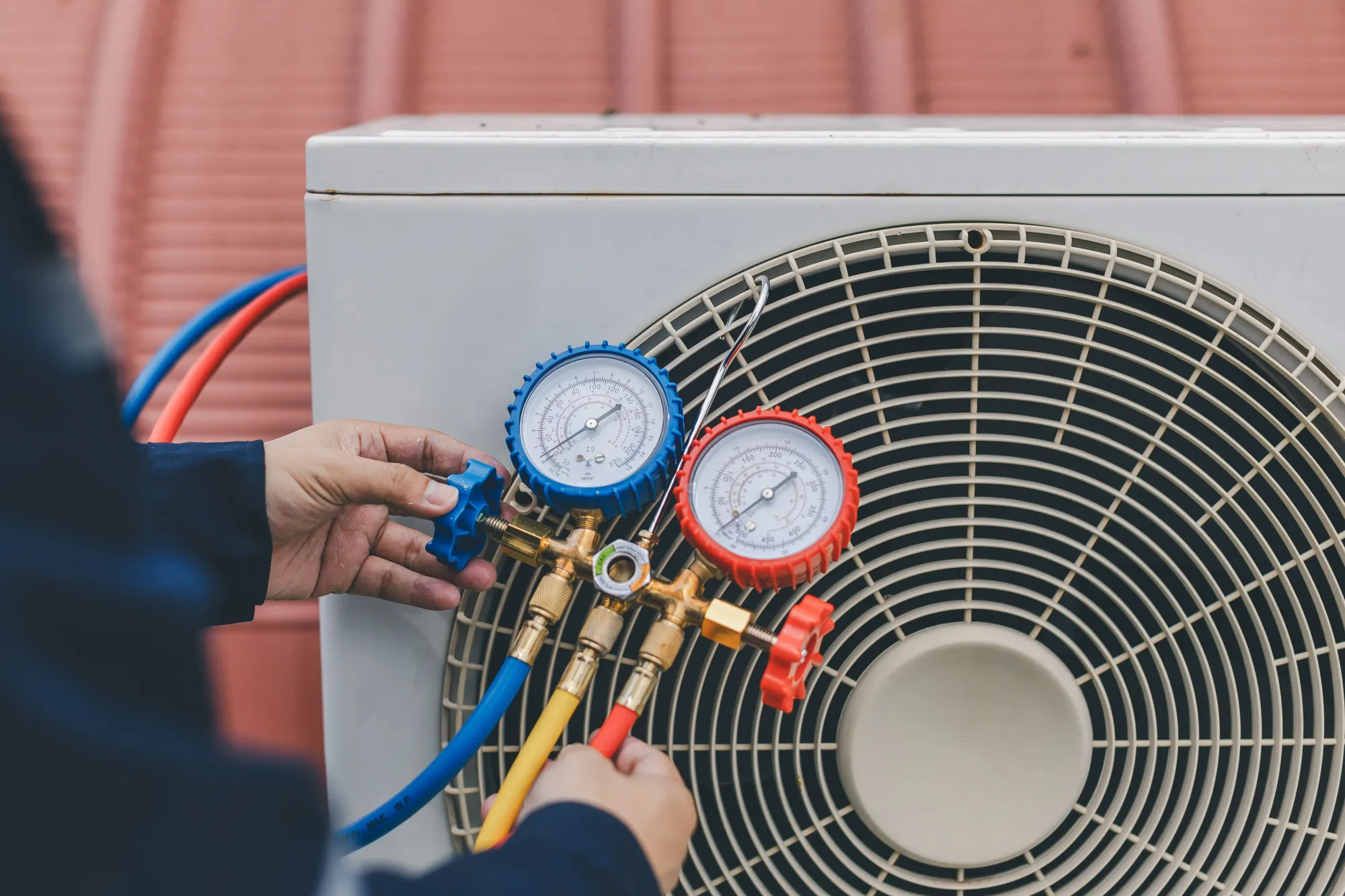

A sudden HVAC breakdown can make your home uncomfortable within minutes, especially during Kansas City’s hot summers or cold winters. Several problems can stop a heating or cooling system without warning. Understanding the common causes can help you spot warning signs and know when to call residential HVAC repair services in Kansas City.
Common Reasons Your HVAC System Stops Working
HVAC systems rely on electrical parts, motors, sensors, filters, refrigerant, and other components. When one part fails, the entire system may stop running.
Here are some common causes.
1. A Tripped Circuit Breaker
A circuit breaker can trip when your HVAC system draws too much electrical power. This safety feature cuts power to prevent electrical damage.
Check your electrical panel if the system suddenly stops. If the HVAC breaker has tripped, reset it once.
If it trips again, do not keep resetting it. A repeated trip can point to an electrical problem, a failing motor, or another serious issue.
2. A Dirty Air Filter
A clogged air filter can restrict airflow. Your system then works harder to move air through your home.
Poor airflow can cause the system to overheat. Some units shut down to protect important components.
Check your filter regularly. Replace a dirty filter with the correct size and type for your HVAC system.
A clean filter can also help maintain steady airflow and improve indoor comfort.
3. A Faulty Thermostat
Your thermostat tells the HVAC system when to heat or cool your home. A dead battery, wiring issue, incorrect setting, or faulty thermostat can prevent the system from starting.
Check these simple items:
- Confirm the thermostat has power.
- Set the system to the correct mode.
- Make sure the temperature setting requires heating or cooling.
- Replace weak thermostat batteries.
- Check whether the display shows an error.
If the thermostat works but the HVAC system does not respond, a technician may need to inspect the wiring and controls.
4. Frozen Evaporator Coils
An air conditioner can develop frozen coils when airflow drops or refrigerant levels fall.
You may notice:
- Warm air from the vents
- Ice around the indoor unit
- Weak airflow
- Water near the HVAC equipment after the ice melts
Turn off the cooling system and allow the ice to melt. Do not scrape the ice away with a tool.
A technician can then identify why the coil froze. The problem may involve airflow, refrigerant, or another component.
5. Low Refrigerant
Air conditioners need the correct refrigerant charge to remove heat from indoor air. A leak can lower the refrigerant level and reduce cooling performance.
Your system may run for a long time without cooling the home properly. It may also develop ice on the coils.
Low refrigerant does not usually mean you simply need a refill. A technician should locate and address the leak before restoring the correct charge.
6. A Failed Capacitor
Capacitors help HVAC motors start and continue running. A weak or failed capacitor can cause the outdoor unit or blower motor to stop.
You may hear a humming sound without normal operation. The system may also struggle to start or shut down unexpectedly.
Because electrical components can hold a charge, avoid trying to replace a capacitor yourself. A qualified technician can test the component safely.
7. A Blower Motor Problem
The blower motor moves conditioned air through your home's ductwork. When the motor fails, you may hear the system running without much air coming from the vents.
A damaged motor, worn component, electrical fault, or restricted airflow can cause blower problems.
A professional inspection can determine whether the motor needs cleaning, repair, or replacement.
8. Clogged Drain Lines
Air conditioners remove moisture from indoor air. That moisture collects in a drain pan and moves through a condensate drain line.
Algae, dirt, and debris can clog the line. Some HVAC systems have a safety switch that shuts the unit down when water levels rise.
Look for water around the indoor unit. If you see standing water or repeated shutdowns, arrange for professional service.
What Should You Check Before Calling a Technician?
You can safely check a few basic things before requesting service.
- Check the thermostat settings.
- Replace the thermostat batteries if needed.
- Inspect the air filter.
- Check whether the HVAC breaker has tripped.
- Make sure supply vents remain open.
- Check the outdoor unit for obvious debris.
- Look for unusual water around the indoor equipment.
Do not open electrical panels inside the HVAC equipment or attempt complex repairs. These tasks require proper training and equipment.
When Should You Call an HVAC Professional?
Some HVAC problems need professional attention right away. Contact residential HVAC repair services in Kansas City if your system repeatedly shuts down, makes unusual sounds, produces burning smells, leaks water, or fails to maintain the desired temperature.
You should also seek professional help when the circuit breaker keeps tripping or the outdoor unit does not start after basic checks.
Fast service can help prevent a small fault from causing more damage.
How Regular Maintenance Can Prevent Sudden Breakdowns
Regular HVAC maintenance can catch many problems before they cause an unexpected shutdown.
A technician can inspect electrical connections, motors, filters, coils, refrigerant levels, drain lines, and other key components. Routine maintenance can also improve system performance and help identify worn parts early.
For Kansas City homeowners, seasonal maintenance can provide extra peace of mind before extreme temperatures arrive.
Final Thoughts
A sudden HVAC shutdown can result from a simple thermostat issue or a more serious mechanical or electrical problem. Start with safe checks, such as the thermostat, filter, vents, and breaker. If the system still does not work, avoid repeated resets or DIY electrical repairs. Residential HVAC repair services in Kansas City can diagnose the underlying issue and restore reliable comfort.
FAQs
1. Why did my HVAC suddenly stop working?
A tripped breaker, dirty filter, thermostat problem, frozen coil, failed capacitor, clogged drain, or motor issue can stop an HVAC system. A professional can identify the exact cause.
2. Why is my AC running but not cooling my house?
Restricted airflow, low refrigerant, dirty coils, thermostat problems, or compressor issues can cause poor cooling. Check the filter first, then schedule service if the problem continues.
3. Should I reset my HVAC breaker?
You can reset the breaker once if it has tripped. If it trips again, leave it off and call a professional. Repeated resets can create safety risks or worsen an electrical problem.
4. How often should I change my HVAC filter?
Many homes need a filter change every one to three months. However, the right schedule depends on the filter type, home conditions, and system requirements.
5. Why does my HVAC keep turning off after a few minutes?
Short cycling can result from airflow restrictions, thermostat problems, overheating, an oversized system, or other mechanical issues. A technician should inspect the system if the problem keeps happening.
6. Can a dirty filter really make my HVAC stop working?
Yes. A heavily clogged filter can restrict airflow and cause the system to overheat or freeze. Regular filter replacement can help maintain proper airflow and reduce unnecessary strain.


























Sign in to leave a comment.