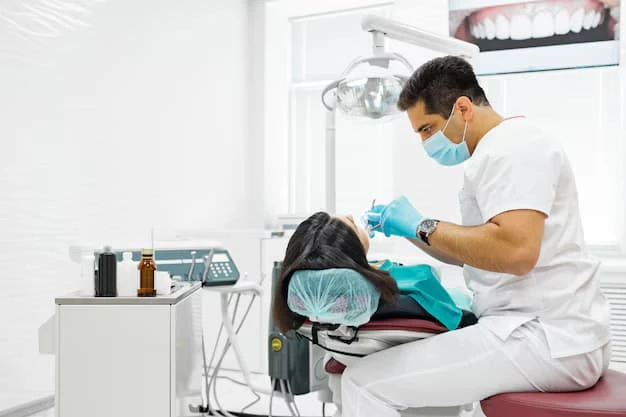

Dental care has changed a lot over the years. A modern dental practice is no longer only a place to fix a toothache. It is a centre for prevention, education, comfort, and long-term care. Patients now expect clear communication, up-to-date tools, and a welcoming environment.
Understanding what defines a modern clinic can help people choose care that supports their oral health for years to come.
A Strong Focus on Prevention
A key feature of a modern dental practice is its focus on preventing problems before they begin. Regular check-ups, gum health checks, and professional cleaning are seen as the foundation of care.
Dentists and hygienists talk with patients about daily habits such as brushing technique, flossing, and reducing sugar intake. Preventive care helps lower the risk of cavities, gum disease, and tooth loss.
This approach means fewer emergencies and more stable long-term health.
Clear Communication and Patient Involvement
In a modern dental practice, patients are partners in their care. Dentists explain findings in simple language and encourage questions. Treatment plans are discussed openly, including different options and costs.
Patients feel more confident when they understand what is happening in their mouth. Good communication also reduces anxiety, especially for those who feel nervous about dental visits.
Use of Updated Technology
Technology supports better diagnosis and planning. A forward-thinking dental practice often uses digital X-rays, which provide clear images with low radiation. Intraoral cameras can show close-up pictures of teeth and gums on a screen.
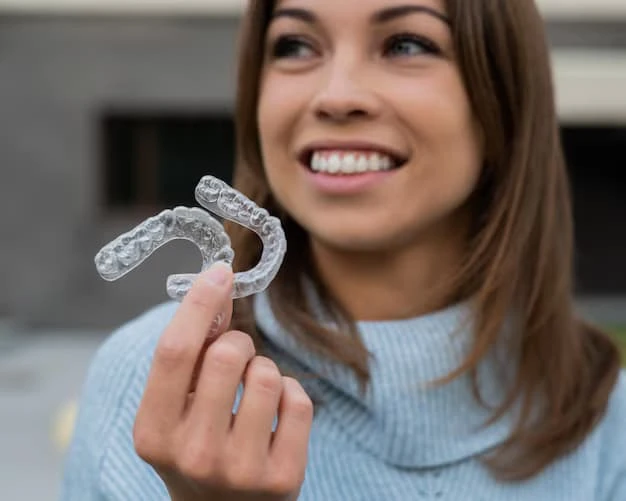
Digital scanning is also becoming more common, replacing traditional moulds for certain treatments. These tools help dentists work more precisely and comfortably.
Technology should improve care, not replace personal attention.
A Clean and Comfortable Environment
A modern dental practice places strong importance on hygiene and comfort. Treatment rooms are kept clean and organised, and staff follow strict infection control procedures.
The atmosphere also matters. Calm surroundings, friendly reception staff, and clear appointment systems help patients feel at ease. Comfort supports regular attendance, which is important for preventive care.
Ongoing Training for the Dental Team
Dentistry continues to develop, so learning never stops. A modern dental practice supports ongoing education for dentists, hygienists, and support staff. This helps the team stay up to date with safe techniques and new materials.
Patients benefit from care that follows current standards and best practices. Continuous learning shows a commitment to quality and safety.
Personalised Care Plans
Every person’s mouth is different. A modern dental practice provides care that suits each patient’s age, health, and lifestyle. For example, children may receive guidance on brushing, while adults might need advice on gum care or tooth wear.
Personalised care supports better outcomes and shows that the clinic sees patients as individuals, not just appointments.
A Range of Services Under One Roof
Many people prefer to receive most of their care in one place. A well-equipped dental practice often offers general care along with options such as cosmetic treatments or tooth repair.
This makes it easier to keep track of dental history and maintain continuity of care. When the same team knows your smile over time, they can spot changes early.
Flexible and Easy Appointment Systems
Modern clinics make it easier to book and attend visits. A patient-focused dental practice may offer online booking, reminder messages, and flexible appointment times.
These systems help reduce missed appointments and support regular check-ups. Convenience encourages people to keep up with preventive care.
Emphasis on Whole-Body Health
Oral health is linked with general health. A modern dental practice recognises this connection and may ask about medical history, medications, and lifestyle habits.
For example, gum disease has been linked with conditions such as diabetes and heart disease. Dentists who understand these links can give advice that supports overall well-being.
Building Trust Over Time
Trust is built through steady, respectful care. A modern dental practice listens to patient concerns and treats each visit as part of a long-term relationship.
When patients feel valued and understood, they are more likely to return regularly and follow advice at home.
Final Thoughts
A modern dental practice in 2026 is defined by prevention, clear communication, updated tools, and personalised care. Clean surroundings, ongoing training, and patient-friendly systems all play a part. Together, these features create a supportive environment where patients can maintain healthy smiles for life.




























Sign in to leave a comment.