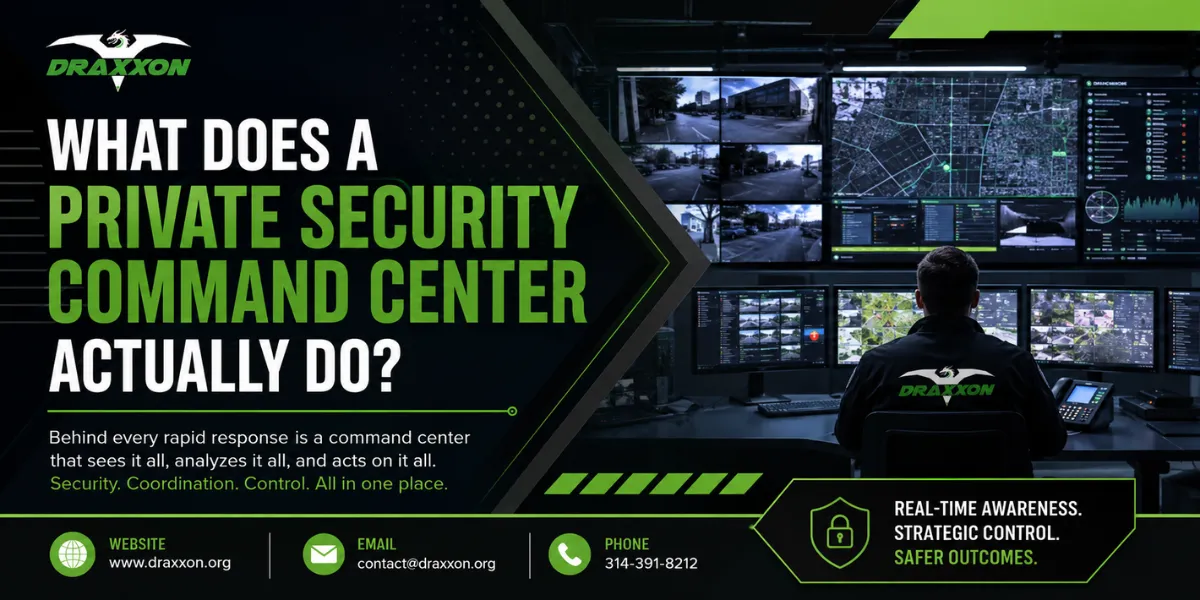

Security teams need a clear way to monitor information, guide staff, and manage incidents as situations develop. For this reason, a private security command center brings key security tasks into one organized setting. It can support communication between teams while helping leaders track events and make timely decisions. Moreover, shared information can improve awareness when several people handle different parts of an incident.
Modern security operations also rely on tools that help teams watch conditions and coordinate responses efficiently. Meanwhile, a public safety command center can show how shared systems support broader response efforts. This guide explains how command centers manage routine work, information, communication, and developing security situations. Readers will learn how these functions work together to support stronger awareness and more organized response.
What Are the Core Functions of a Private Security Command Center?
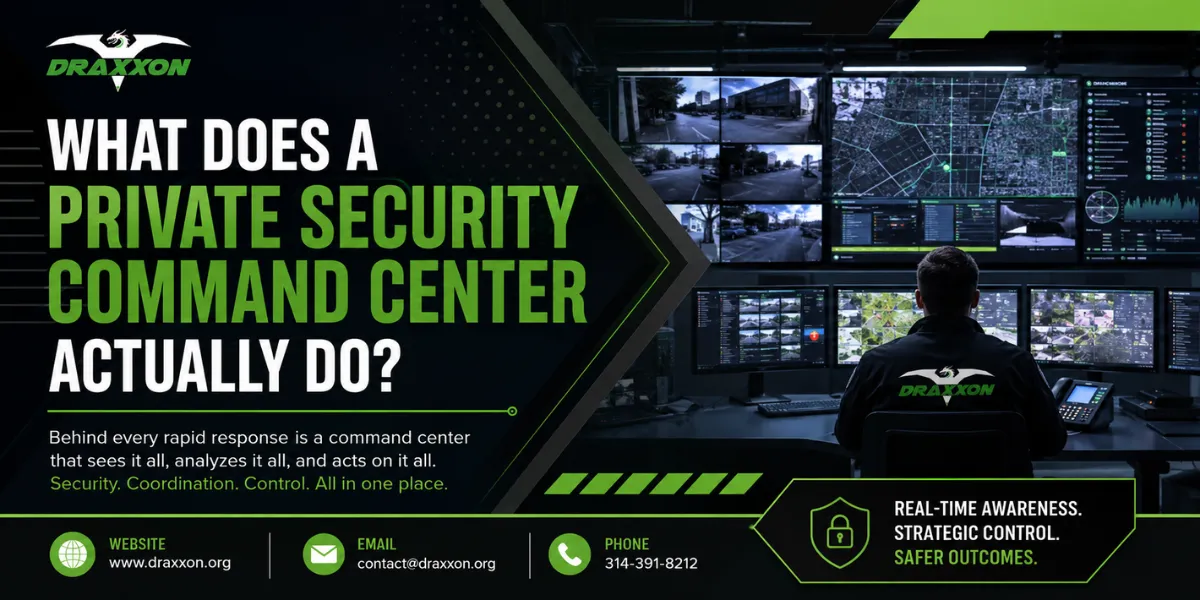
A command center brings key security tasks together, helping teams maintain awareness while managing information and response needs. Moreover, coordinated systems can organize several inputs within one clear operating view for security teams. The following functions show how command teams monitor conditions, guide personnel, and manage developing incidents.
1. Monitoring Security Information
Command personnel can combine camera feeds, alarms, access systems, sensors, and reports within one shared view. This approach helps teams track activity across protected areas while maintaining clear awareness of changing conditions.
2. Coordinating Security Personnel
Teams can assign personnel, share instructions, and track developing situations through coordinated communication from the command center. Meanwhile, a public safety command center can use similar methods when several teams require shared information.
3. Managing Incidents and Responses
Command personnel can receive alerts, assess events, and guide responses while maintaining a clear operational picture. A private security command center can also document key developments, helping teams track actions throughout incidents.
How Do Command Centers Support Different Operational Environments?
Command systems can adapt to different field needs by combining communication, monitoring, and coordination within one organized setup. Moreover, each environment may require tools suited to its work, location, and response demands. The following applications show how mobile and fixed systems can support teams across varied operations.
1. Coordinating Public Safety Operations
Teams can bring information, communications, and personnel together when several groups need one shared operational picture. For example, a public safety command center can help coordinate incidents while keeping key updates accessible to decision-makers.
2. Supporting Specialized Field Inspections
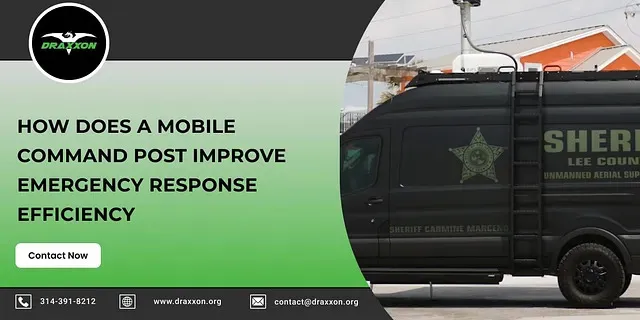
Field teams can use mobile systems to monitor sites, share updates, and record findings during infrastructure work. Meanwhile, a utility inspection command vehicle can support communication, documentation, and coordination while teams work across different locations.
3. Supporting Emergency Response
Emergency teams need command functions close to active incidents when conditions change quickly. Therefore, a fire mobile command center can support communication and coordination between field personnel and decision-makers.
What Capabilities Make a Command Center Effective?
Effective command centers need clear communication, current information, and flexible systems that support teams during changing operational demands. Moreover, these capabilities help personnel coordinate actions while maintaining awareness across connected work areas. The following areas show what makes a command environment useful, responsive, and ready for changing needs.
1. Integrated Communication
Reliable communication helps command personnel share instructions with field teams, site leaders, and relevant responders. Clear channels also help teams coordinate actions when several groups need to respond together.
2. Real-Time Situational Awareness
Displays, alerts, data feeds, and monitoring systems can help personnel maintain an updated view of developing situations. Meanwhile, a private security command center can bring these inputs together for faster awareness and coordinated decisions.
3. Flexible and Resilient Technology
Command environments should support different technologies while maintaining operations when needs or conditions change. For example, a military mobile command center requires mobility, strong communication, and resilient systems for coordinated decision-making.
How Can Command Centers Strengthen Security Operations?
Security operations depend on more than watching events, because teams must also connect information with daily operational needs. A well-planned command setup can bring monitoring tools, communication channels, and staff coordination into one working environment. This arrangement can help teams share updates, track activity, and maintain awareness across protected areas. Moreover, suitable technology can support different workflows while allowing personnel to respond as conditions change. Reviewing these elements can help organizations understand how a private security command center fits within broader security operations.
Frequently Asked Questions
1. What information can command teams monitor during security operations?
Teams can track camera feeds, alarms, access activity, sensor data, and reports to maintain a clear view of conditions.
2. How does a command center help security teams coordinate?
Clear communication lets personnel share updates, assign tasks, and coordinate responses when several teams work across different areas.
3. Why does real-time information matter during an incident?
Current information helps teams assess changing conditions and choose suitable actions while keeping everyone informed throughout the response.
Turning Information Into Coordinated Action
A private security command center should turn scattered information into clear decisions that guide people and responses. Strong monitoring helps teams understand changing conditions before they direct personnel toward the right actions. Meanwhile, reliable communication keeps field teams connected while incident management brings each response step into focus. Flexible technology also helps maintain these functions when operating needs shift or situations become more demanding. Ultimately, the value of a command center lies in turning information into organized action.
























Sign in to leave a comment.