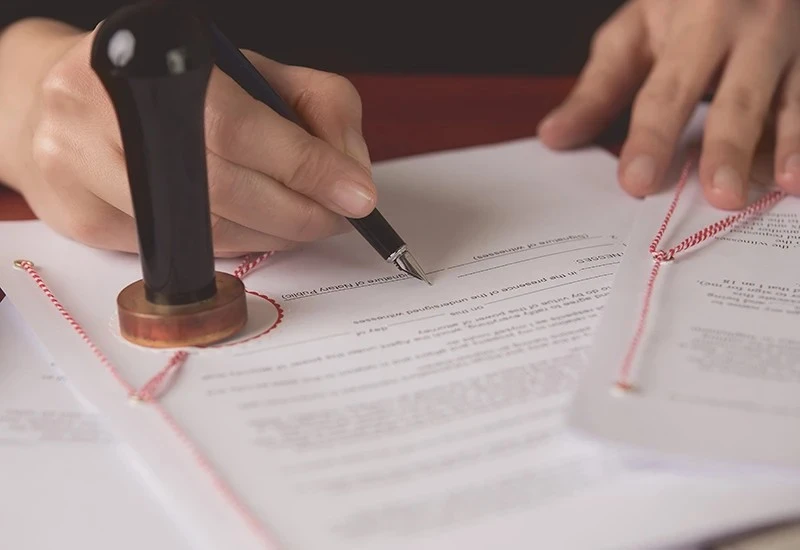

If you’ve never dealt with legal paperwork before, the phrase “process server” can sound intimidating. It often shows up during stressful moments like lawsuits, divorces, custody cases, or business disputes. You might not even be sure why one is needed or what they actually do.
Let’s clear that up.
A process server plays a very specific role in the legal system. Their job is not to judge, threaten, or complicate things. Their job is to make sure legal documents are delivered properly and lawfully. That delivery step matters more than most people realize, because without it, a case often cannot move forward at all.
If you are dealing with this for the first time, this guide will walk you through everything you need to know. What a process server does, when you need one, how the process works, and how related services like notaries and apostilles sometimes connect to the same situation.
What Is a Process Server?
A process server is a professional who delivers legal documents to individuals or businesses involved in a court case. This delivery is called “service of process.”
Service of process ensures that everyone involved in a legal matter is properly notified. It protects your right to due process, which means no one can be taken to court without being informed.
The documents a process server typically delivers include:
- Summons and complaints
- Divorce and family court papers
- Child custody or support documents
- Subpoenas
- Eviction notices
- Small claims filings
- Court orders
Once the documents are delivered, the process server provides proof that service was completed correctly. This proof is often required by the court before the case can continue.
Why Process Serving Is Legally Important
Courts take proper notification very seriously. If documents are not served correctly, the entire case can be delayed or dismissed.
You cannot just email, text, or casually hand papers to someone and call it official. Each jurisdiction has specific rules about how documents must be served, when they can be served, and who is allowed to do it.
A process server understands these rules and follows them precisely. That protects you from legal setbacks and ensures the court recognizes the service as valid.
In simple terms, a process server helps keep the legal system fair and functional.
Read More - The Ultimate Guide to Notary Documents
When Do You Need a Process Server?
You typically need a process server anytime you are required to formally notify someone of legal action.
Common situations include:
- Filing a lawsuit
- Starting divorce proceedings
- Modifying custody or support agreements
- Enforcing court orders
- Handling landlord-tenant disputes
- Serving business-related legal notices
If a court requires proof that the other party was notified, a process server is usually the safest and most reliable option.
What a Process Server Actually Does Step by Step
If this is your first time, it helps to know what happens behind the scenes.
1. Receives the Documents
You provide the legal documents that need to be served. These are usually issued by a court or prepared by an attorney.
2. Locates the Recipient
The process server uses the information you provide to locate the person or business. This might be a home address, workplace, or another approved location.
3. Delivers the Documents
The server delivers the documents according to legal requirements. In many cases, this means handing them directly to the recipient. Sometimes alternate methods are allowed if personal delivery is not possible.
4. Files Proof of Service
After delivery, the server completes an affidavit or proof of service. This document confirms when, where, and how the papers were served.
That final step is critical. Without proof of service, the court may not accept that notification occurred.
Is a Process Server the Same as a Sheriff?
In some areas, sheriffs or constables can serve papers. However, they often have limited availability and longer timelines.
Process servers typically offer:
- Faster turnaround
- More flexible scheduling
- Better tracking and updates
- Experience with difficult or evasive recipients
For time-sensitive cases, many people choose a private process server rather than relying on law enforcement.
What Happens If Someone Avoids Being Served?
Avoidance is more common than you might think. Some people refuse to answer the door or try to dodge service.
Professional process servers are trained to handle these situations legally and ethically. If personal service becomes impossible, courts may allow alternate service methods, depending on the circumstances.
The key is documentation. A process server keeps detailed records that help the court understand what efforts were made.
How Process Servers Differ From Notaries
This is a point of confusion for many first-time clients.
A process server delivers legal documents. A notary verifies identities and witnesses signatures. They serve different purposes, but in real life, the need for both often overlaps.
For example, after legal documents are served, you may need to notarize affidavits, declarations, or sworn statements. In cases involving international matters, you might also need apostille certification.
Understanding Apostille Services in Legal Cases
If your case involves documents going outside the country, you may need an apostille. This is a form of authentication used for international document acceptance.
People often start searching for apostille service near me when dealing with overseas court filings, immigration matters, or foreign business transactions.
An apostille confirms that a notary or public official’s signature is legitimate and recognized internationally. You can learn more about reliable apostille service near me options and how this process works when legal documents cross borders.
What Is a Notary Apostille?
A notary apostille is part of a two-step process. First, a document is notarized. Then it is authenticated for international use through apostille certification.
This often applies to:
- Court affidavits
- Powers of attorney
- Birth or marriage certificates
- Adoption or custody documents
- Business contracts
If your legal matter involves another country, this step is not optional. It ensures your documents are accepted abroad without further legalization.
How Traveling Notaries Fit Into Legal Situations
Legal matters rarely happen at convenient times. Court deadlines, emergencies, and work schedules can make it hard to visit an office during business hours.
That is where a traveling notary near me can help. A traveling notary comes to your location to handle notarizations related to your case. This is especially useful if:
- Multiple people need to sign
- Someone has limited mobility
- Documents must be notarized urgently
- Privacy is important
While traveling notaries do not serve legal papers, they often support the same cases by handling the paperwork that follows.
Choosing the Right Process Server
Not all process servers are the same. Since proper service affects your case, it is worth choosing carefully.
Look for someone who:
- Understands local and state rules
- Communicates clearly
- Provides proper documentation
- Has experience with your type of case
- Respects privacy and professionalism
A reliable process server should be calm, discreet, and detail-oriented.
Common Myths About Process Servers
Let’s clear up a few misconceptions.
They are not law enforcement
Process servers do not have arrest powers and are not there to intimidate anyone.
They cannot trick or harass people
Ethical process servers follow strict guidelines and legal boundaries.
They do not decide legal outcomes
Their role is limited to document delivery and proof of service.
Understanding this can ease anxiety, especially if you are nervous about starting legal proceedings.
Read More - Streamlining Real Estate Transactions
How Long Does Process Serving Take?
Timing depends on several factors:
- Accuracy of the address
- Availability of the recipient
- Type of document
- Court deadlines
Some papers are served within days. Others take longer if the recipient is hard to locate. A good process server will keep you informed throughout.
What You Should Prepare Before Hiring a Process Server
Before you book a process server, gather:
- Complete and accurate addresses
- Full legal names
- Court-issued documents
- Filing deadlines
- Any known scheduling issues
The more information you provide, the smoother the process will be.
Final Thoughts
Dealing with legal documents for the first time can feel overwhelming. A process server exists to handle one very specific but very important piece of that puzzle.
Their work ensures fairness, transparency, and proper notice. Without it, cases stall. With it, the legal system can move forward as intended.
When combined with related services like notarization, apostille certification, notary apostille and traveling notaries, process serving becomes part of a broader support system that helps you navigate legal obligations with less stress and fewer mistakes.
You do not need to understand every legal detail. You just need the right professionals handling the parts that matter most.
FAQs
What does a process server legally deliver?
They deliver court-issued documents such as summons, complaints, subpoenas, and notices related to legal cases.
Can I serve papers myself?
In many jurisdictions, you cannot serve your own papers. Courts often require a neutral third party.
What if the person refuses to accept the documents?
Refusal does not necessarily stop service. Process servers document the attempt, and courts may still consider service valid.
Do I need a notary after papers are served?
Often yes. Affidavits, declarations, or international documents may require notarization.
When do apostille services become necessary?
If your legal documents are used in another country, apostille certification is usually required.



























Sign in to leave a comment.