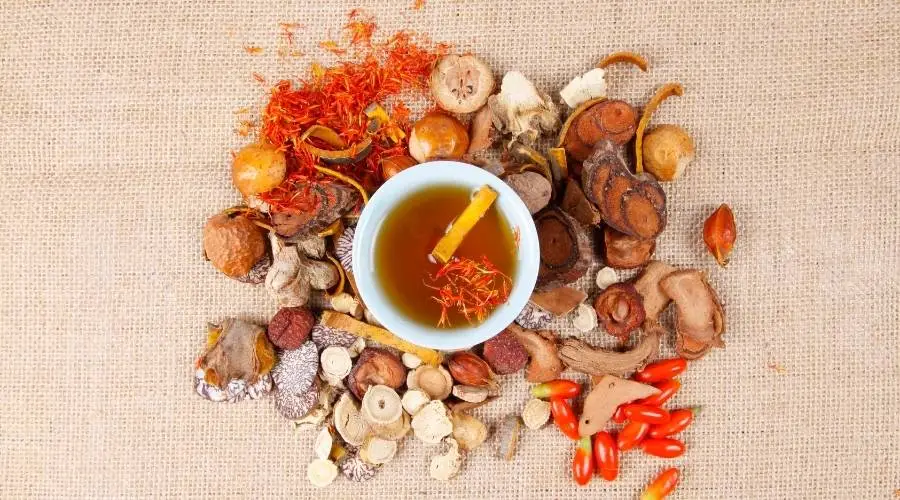

Saffron has fascinated cooks, historians, and spice enthusiasts for centuries. Its deep red threads, golden coloring power, and extraordinary value make it one of the most distinctive ingredients in global cuisine. Yet for many people, the biggest question remains: what does saffron taste like? The answer is more nuanced than most expect, because saffron’s flavor is subtle, layered, and deeply aromatic.
This article breaks down saffron’s taste profile, how it behaves in different dishes, and why its flavor has earned such a legendary reputation.
Understanding the Core Flavor: What Does Saffron Taste Like?
When people first ask what does saffron taste like, they often expect a bold or spicy flavor. In reality, saffron is gentle and refined. Its taste is best described as:
- Warm and slightly sweet
- Floral with soft honey‑like notes
- Earthy and aromatic
- Lightly bitter in a pleasant, balancing way
Saffron doesn’t overwhelm a dish. Instead, it enhances other ingredients while adding its own unmistakable character. Even a small pinch can shift the entire flavor profile of a recipe.
The Aroma That Shapes the Taste
Saffron’s flavor cannot be separated from its aroma. Before it touches your tongue, saffron releases a fragrance that is rich, inviting, and instantly recognizable. The aroma is often described as:
- Floral
- Herbal
- Slightly metallic
- Warm and comforting
This aromatic quality is part of what makes saffron so unique. When saffron is added to warm liquid, its scent intensifies, creating a sensory experience that blends seamlessly with its taste.
Why Saffron Tastes the Way It Does
The distinctive flavor of saffron comes from its natural chemical compounds—crocin, safranal, and picrocrocin. These compounds are responsible for saffron’s color, aroma, and taste.
- Crocin provides the golden color.
- Safranal contributes to the fragrance.
- Picrocrocin gives saffron its subtle bitterness.
Together, these elements create a flavor profile that no other spice can replicate. For those who want to explore saffron’s culinary and wellness uses further, additional insights are available through this what does saffron taste like resource.
How Saffron Tastes in Different Types of Dishes
Saffron’s flavor adapts depending on how it is used. Because it is delicate, it shines best in dishes that allow its subtlety to come through.
In Rice Dishes
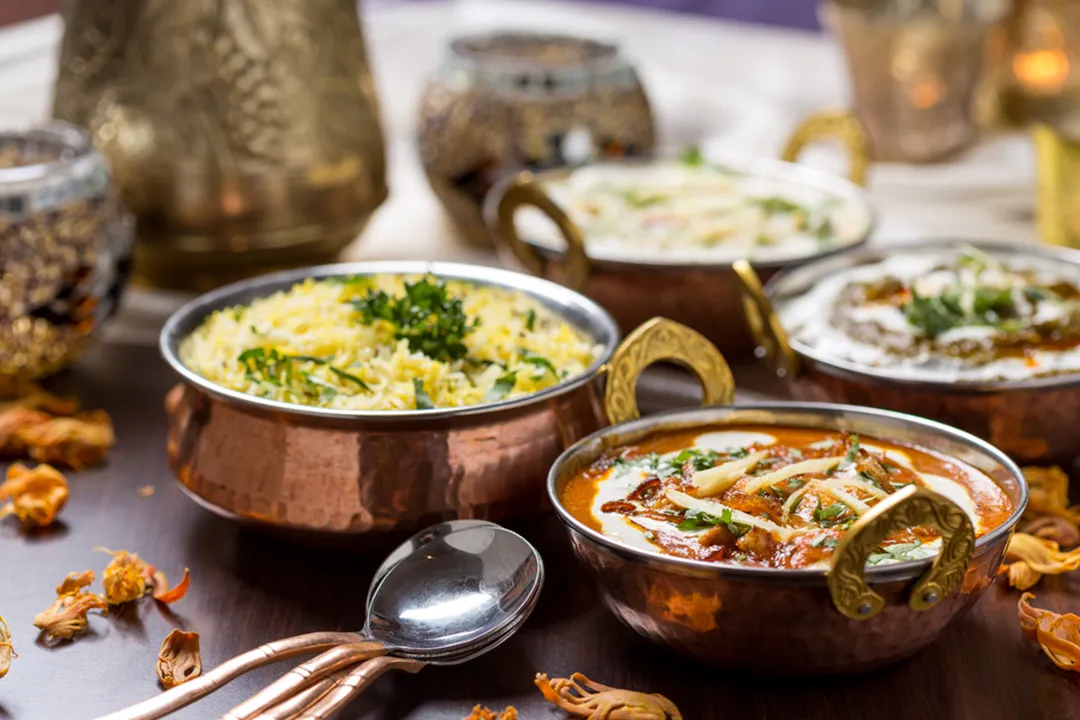
In dishes like biryani, paella, and Persian saffron rice, saffron adds warmth, fragrance, and a gentle sweetness that enhances the natural flavor of the grains.
In Soups and Broths
Saffron deepens the flavor of seafood soups, chicken broths, and vegetable stews, adding a comforting, aromatic layer.
In Desserts
When used in custards, cakes, or milk‑based sweets, saffron contributes a floral sweetness that feels luxurious and refined.
In Teas and Infusions
Saffron tea has a soothing, lightly sweet flavor with a soft floral finish.
In every case, saffron elevates the dish without overpowering it.
How to Properly Release Saffron’s Flavor
To truly understand what does saffron taste like, it’s important to use it correctly. Saffron threads must be “bloomed” to unlock their full flavor.
Blooming Method
- Crush a small pinch of saffron threads.
- Soak them in warm water, milk, or broth for 10–20 minutes.
- Add the infused liquid to your dish.
This process releases saffron’s color, aroma, and taste, ensuring that every thread is used to its full potential.
Why Saffron’s Flavor Is So Highly Valued
Saffron’s taste is prized not because it is strong, but because it is unique. Its flavor is elegant, aromatic, and complex—qualities that make it irreplaceable in many traditional dishes.
Its rarity also contributes to its value. Each saffron thread must be harvested by hand, and it takes thousands of flowers to produce even a small amount. This labor‑intensive process makes saffron one of the most expensive spices in the world, and its taste reflects that level of craftsmanship.
How to Identify High‑Quality Saffron by Taste
Not all saffron is equal. High‑quality saffron has a balanced, aromatic flavor. Here’s how to recognize authentic saffron:
- It should taste slightly bitter when chewed.
- It should not taste sweet—sweetness indicates artificial additives.
- It should release a deep golden color when soaked, not bright yellow or orange.
- The flavor should be warm, floral, and earthy, not metallic or harsh.
If saffron tastes flat or overly bitter, it may be low‑quality or adulterated.
Final Thoughts: A Flavor That Stands Alone
So, what does saffron taste like? It tastes warm, floral, slightly sweet, and subtly earthy—a flavor that is gentle yet unforgettable. Its complexity, rarity, and aromatic depth make it one of the most cherished spices in global cuisine.
Whether used in rice, desserts, teas, or savory dishes, saffron adds a touch of elegance that few ingredients can match. Its taste is a reflection of its long history, cultural significance, and the meticulous care required to bring it from flower to table.




























Sign in to leave a comment.