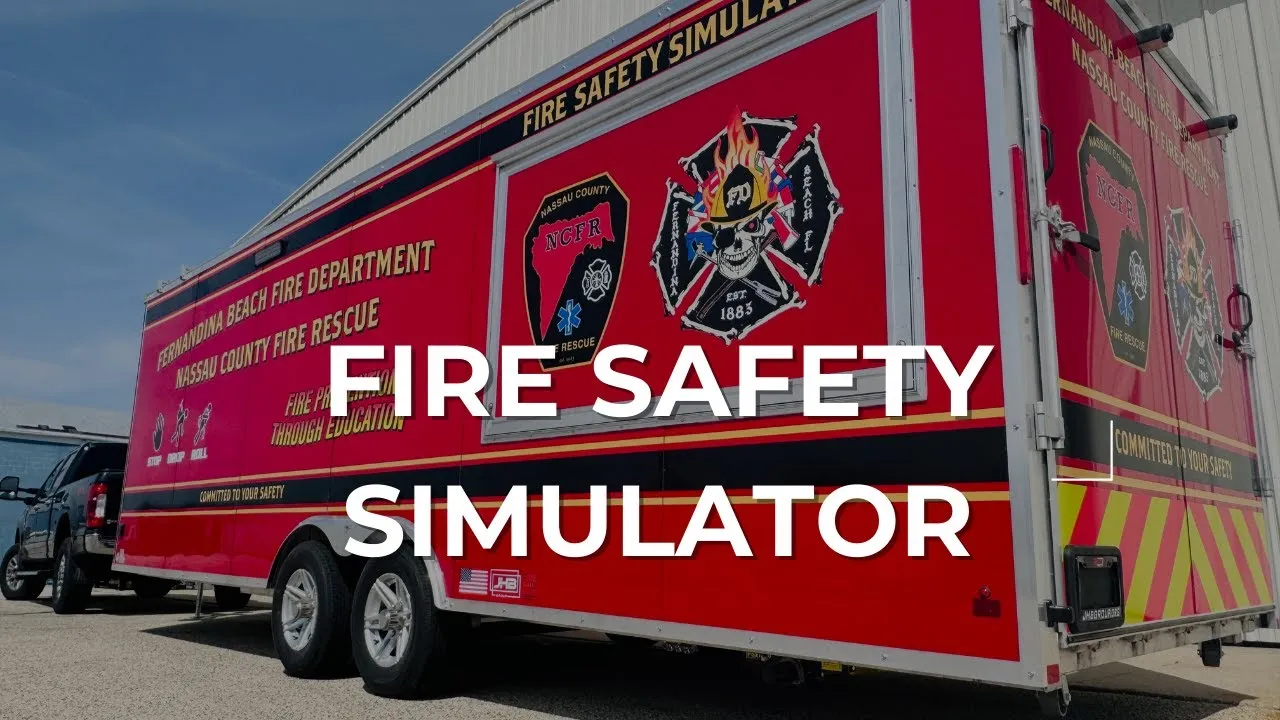

Fire emergencies can escalate within seconds, leaving little room for error. This is where fire response simulation plays a critical role in preparing individuals and organizations to act quickly and effectively. By recreating realistic fire scenarios in controlled environments, simulations help teams practice responses without real-world risk.
What Is Fire Response Simulation?
Fire response simulation is a training method that uses virtual environments, computer models, or controlled physical setups to mimic fire emergencies. These simulations replicate conditions such as smoke spread, heat intensity, evacuation challenges, and system failures.
Participants—whether firefighters, safety officers, or building occupants—can interact with these scenarios to practice decision-making, communication, and evacuation procedures. Advanced systems may include VR (virtual reality), AR (augmented reality), or AI-driven fire behavior models.
Key Features:
- Realistic fire and smoke behavior modeling
- Interactive decision-making scenarios
- Safe environment for repeated practice
- Customizable scenarios for different industries
Benefits of Fire Response Simulation
Fire response simulation offers several advantages over traditional training methods. It bridges the gap between theoretical knowledge and real-life application.
1. Improved Preparedness
Simulations allow individuals to experience high-pressure situations without real danger. This builds confidence and readiness for actual emergencies.
2. Risk-Free Training
Practicing in a simulated environment eliminates the risks associated with live fire drills while still delivering impactful learning experiences.
3. Faster Decision-Making
Repeated exposure to simulated emergencies helps participants develop quicker response times and better judgment under stress.
4. Cost Efficiency
Organizations can reduce expenses related to physical drills, equipment damage, and logistical challenges by using digital simulations.
5. Performance Tracking
Many systems provide detailed analytics, helping trainers evaluate response times, decision accuracy, and areas for improvement.
Common Uses Across Industries
Fire response simulation is widely used across various sectors where fire risks are significant. Its adaptability makes it a valuable tool for both training and planning.
1. Firefighter Training
Fire departments use simulations to train recruits and experienced personnel in handling complex fire scenarios such as high-rise fires or industrial hazards.
2. Corporate Safety Programs
Businesses incorporate simulations into workplace safety training to ensure employees know evacuation routes and emergency protocols.
3. Healthcare Facilities
Hospitals use simulations to prepare staff for evacuating patients, managing critical equipment, and maintaining safety during fire incidents.
4. Aviation and Transportation
Airports and airlines simulate onboard fires or terminal emergencies to train staff in passenger evacuation and crisis management.
5. Urban Planning and Construction
Engineers and planners use simulation models to design safer buildings, optimize fire exits, and test fire protection systems.
Real-World Applications
The practical applications of fire response simulation go beyond training. It plays a vital role in improving safety standards and emergency response strategies.
Disaster Management Planning
Government agencies use simulations to prepare for large-scale emergencies, including wildfires and urban fire outbreaks.
Building Safety Design
Architects and engineers analyze how fires might spread in a structure, allowing them to improve layouts and install effective fire suppression systems.
Emergency Response Coordination
Simulations help multiple teams—firefighters, medical staff, and law enforcement—practice coordinated responses to complex incidents.
Policy Development
Data collected from simulations informs safety regulations, helping authorities create more effective fire safety laws and guidelines.
Important Facts to Know
- Fire simulations can replicate various fire types, including electrical, chemical, and structural fires.
- Modern systems often use real-time data and predictive modeling.
- Virtual reality-based training improves retention rates compared to traditional lectures.
- Simulations can be scaled from small office setups to entire city models.
Final Thoughts
Fire emergencies demand precision, speed, and coordination. Fire response simulation provides a powerful way to prepare for these high-stakes situations without exposing individuals to real danger. From training firefighters to designing safer buildings, its impact spans multiple industries.
As technology continues to evolve, simulations will become even more immersive and accurate. Organizations that invest in this approach not only enhance safety but also build a culture of preparedness. In a world where every second counts, being trained through realistic scenarios can make all the difference.






























Sign in to leave a comment.