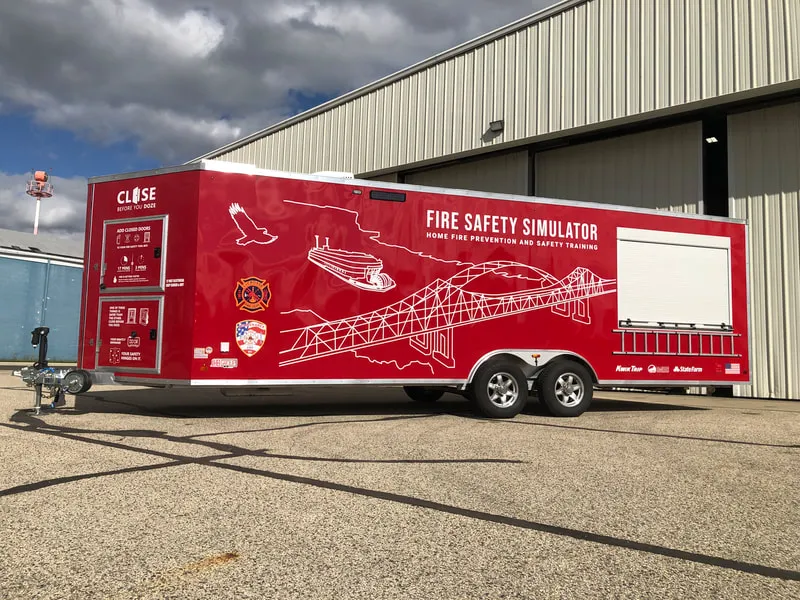

A fire simulation trailer for fire departments is transforming how firefighters prepare for real-life emergencies. Training that once relied heavily on theory or controlled burns can now be immersive, repeatable, and far more realistic. As fire behavior becomes increasingly unpredictable, departments must adopt tools that bridge the gap between classroom learning and real-world response.
The Need of Fire Simulation Trailer for Fire Departments
Firefighters face dynamic and high-risk environments where quick decision-making is critical. Traditional training methods often fall short in replicating the complexity of actual fire scenarios. Live burns can be expensive, limited, and sometimes unsafe to conduct frequently.
A fire simulation trailer offers a controlled yet realistic setting where firefighters can practice repeatedly without the risks associated with uncontrolled environments. This ensures that both new recruits and experienced personnel stay sharp and prepared.
Key Benefits of Fire Simulation Trailers
1. Safe Yet Realistic Environment
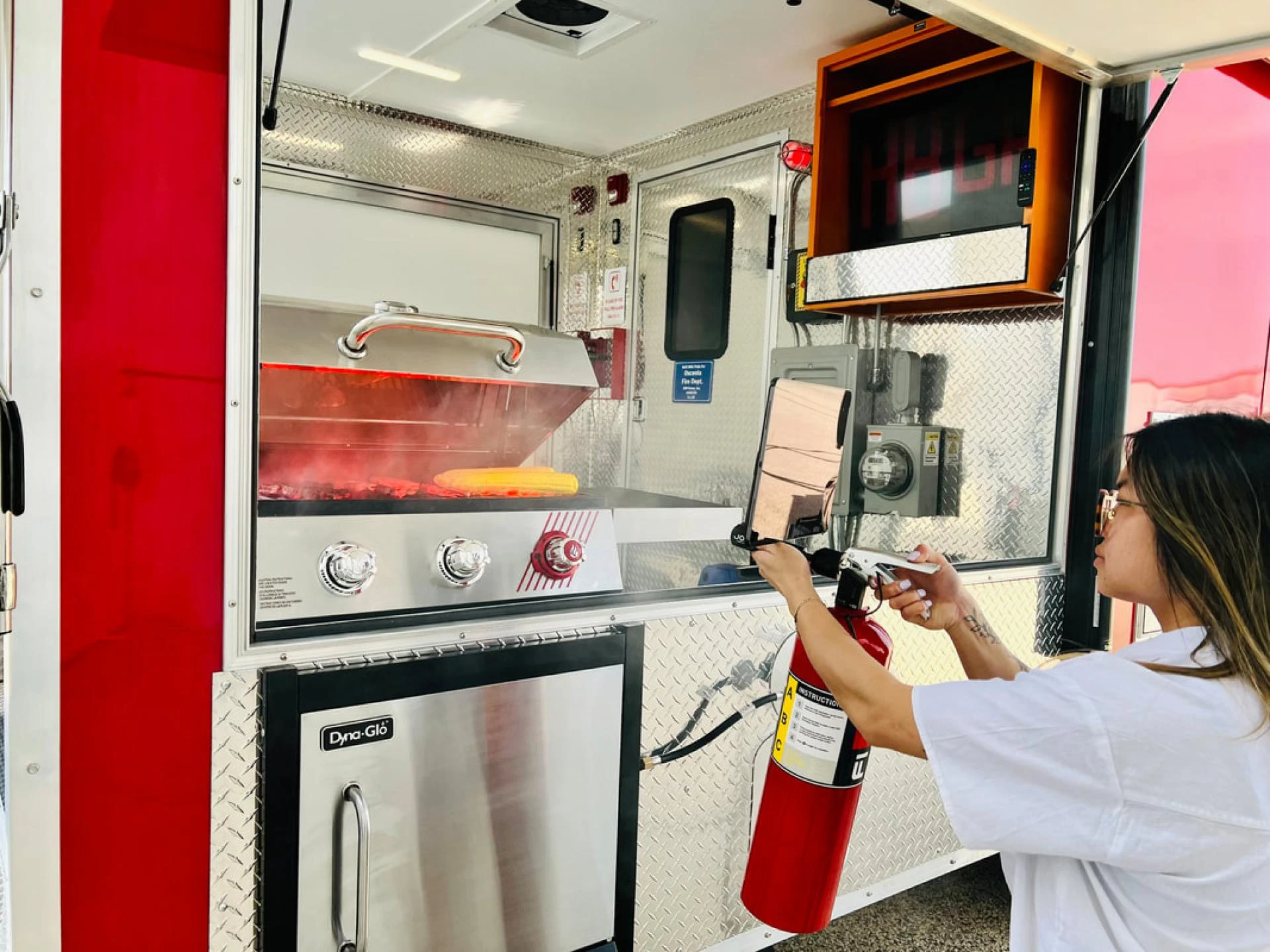
Simulation trailers are designed to mimic real fire conditions such as smoke, heat, and visibility challenges—without exposing trainees to uncontrolled danger. This balance allows firefighters to learn from mistakes safely.
2. Repetition Builds Confidence
One of the biggest advantages is the ability to repeat scenarios multiple times. Firefighters can practice search and rescue, ventilation, and fire suppression techniques until they become second nature.
3. Cost-Effective Training Solution
Live fire training requires materials, permits, and extensive setup. Over time, these costs add up. A simulation trailer reduces recurring expenses while delivering consistent training quality.
4. Versatile Scenario Customization
Modern trailers can simulate different fire types, from residential fires to industrial incidents. This versatility ensures that firefighters are prepared for a wide range of emergencies.
Important Facts About Fire Simulation Training
- Fire simulation trailers can replicate multiple fire behaviors, including flashover conditions in a controlled way.
- Training in realistic environments improves reaction time and decision-making under pressure.
- Departments using simulation tools report better skill retention among trainees.
- Simulation-based training significantly reduces injury risks during practice sessions.
Enhancing Team Coordination
Firefighting is rarely a solo effort. It requires seamless coordination between team members. Simulation trailers allow entire crews to train together, improving communication and teamwork.
Practicing in a shared, realistic environment helps firefighters understand their roles more clearly and respond more efficiently during actual emergencies.
Supporting Continuous Skill Development
Fire departments must constantly evolve as new building materials, technologies, and fire behaviors emerge. A fire simulation trailer for fire departments ensures ongoing training without logistical barriers.
Instead of waiting for scheduled live burns, departments can conduct regular drills, keeping skills fresh and aligned with modern challenges.
Preparing for High-Stress Situations
Stress management is a crucial part of firefighting. Simulation trailers expose trainees to high-pressure situations in a controlled setting. This helps them develop the mental resilience needed to stay calm and focused during real incidents.
Final Thoughts
Investing in a fire simulation trailer for fire departments is not just about upgrading equipment—it’s about enhancing preparedness, safety, and effectiveness. These trailers provide a practical, efficient, and safer way to train firefighters for the unpredictable nature of their work.
Departments that prioritize realistic training tools are better equipped to protect lives, property, and their own personnel. As the demands of firefighting continue to grow, simulation-based training is becoming less of an option and more of a necessity.
FAQs
1. What is a fire simulation trailer?
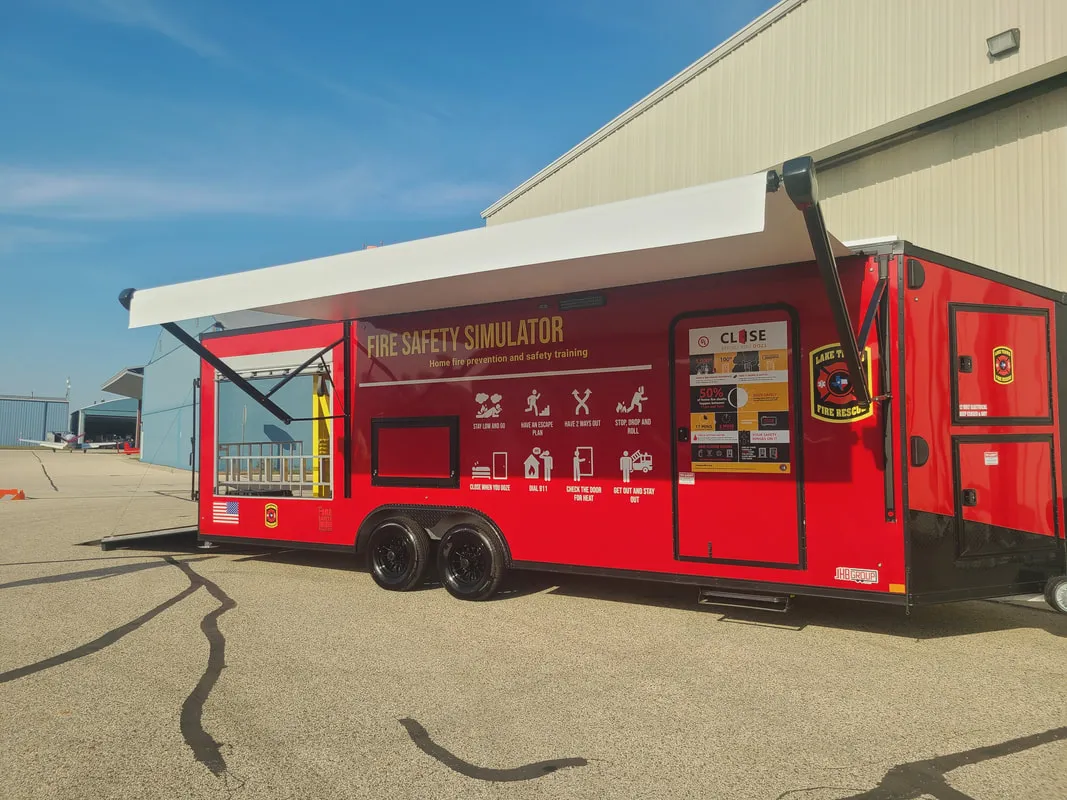
A fire simulation trailer is a mobile training unit designed to replicate real fire scenarios in a controlled and safe environment for firefighter training.
2. How often should firefighters train using simulation trailers?
Regular training is recommended—monthly or quarterly sessions help maintain skills and readiness.
3. Are simulation trailers safe for beginners?
Yes, they are specifically designed to provide realistic conditions while maintaining safety, making them ideal for both beginners and experienced firefighters.
4. Can scenarios be customized?
Most modern simulation trailers allow instructors to adjust conditions, creating various fire situations for comprehensive training.
5. Do simulation trailers replace live fire training?
They complement live fire training by offering a safer, more flexible, and cost-effective way to practice frequently.

























Sign in to leave a comment.