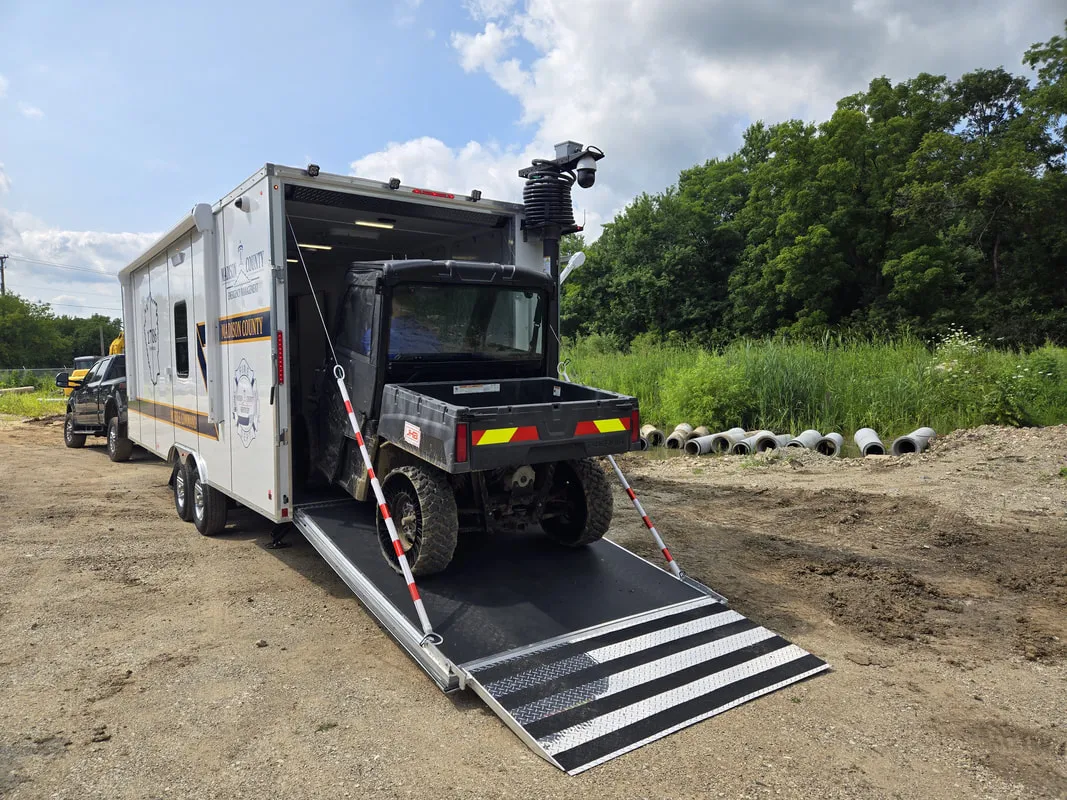

Modern policing has evolved far beyond patrol cars, radios, and station-based coordination. Law enforcement agencies now face increasingly complex challenges, from managing large-scale public events to responding to natural disasters and real-time emergencies. In this changing landscape, the mobile police command center has become a critical operational tool for improving coordination, speed, and public safety.
What Is a Mobile Command Center?
A mobile command center is a specialized vehicle equipped with advanced communication systems, surveillance technology, workstations, internet connectivity, and emergency response tools. It functions as a temporary on-site headquarters, allowing officers and emergency personnel to manage operations directly from the field.
Unlike traditional police stations, these units can be deployed anywhere—crime scenes, festivals, disaster zones, protests, or sporting events.
Common Features Include:
- High-definition CCTV monitoring systems
- Satellite and radio communication equipment
- GPS tracking and mapping tools
- Data-sharing terminals
- Incident management software
- Backup power systems
These features help officers maintain situational awareness without relying solely on fixed infrastructure.
Why Modern Policing Needs Mobility
Fast decision-making can determine the success of an emergency response. A centralized station may be too far removed from unfolding incidents, causing delays in communication and resource allocation.
A mobile police command center solves this problem by bringing command capabilities directly to the operational zone.
Key Benefits of Mobile Command Centers
1. Faster Emergency Response
During emergencies such as fires, accidents, or active threat situations, every second matters. Mobile units reduce delays by allowing commanders to coordinate officers, medical teams, and firefighters from one location.
Benefits include:
- Real-time dispatch decisions
- Faster deployment of backup units
- Immediate intelligence sharing
2. Improved Communication Across Teams
One of the biggest challenges in policing is communication between departments. Mobile command units integrate multiple communication channels into a single hub.
This allows:
- Police departments
- EMS teams
- Fire departments
- Disaster management teams
to stay connected without technical barriers.
Fact:
According to emergency management studies, communication failures are among the leading causes of delayed incident response during crisis situations.
3. Better Crowd and Event Management
Large public gatherings such as political rallies, marathons, concerts, and sports events require continuous monitoring.
A mobile command center helps authorities:
- Monitor crowd density
- Detect suspicious activity
- Coordinate traffic diversions
- Respond quickly to incidents
This reduces confusion and enhances public confidence in law enforcement visibility.
4. Advanced Surveillance and Intelligence Gathering
Modern command vehicles are often equipped with:
- Drone integration systems
- Facial recognition tools
- License plate readers
- Body camera data syncing
These technologies provide officers with stronger evidence collection and situational monitoring capabilities.
For investigations, this means faster access to data and more informed tactical decisions.
5. Disaster and Crisis Management Support
Natural disasters such as floods, earthquakes, and storms can disrupt power, internet, and communication networks.
In such situations, mobile command units act as fully functional response hubs.
They help by:
- Establishing emergency communication lines
- Coordinating rescue teams
- Managing evacuation zones
- Supporting relief logistics
This flexibility makes the mobile police command center valuable beyond traditional policing roles.
Real-World Impact of Mobile Command Centers
Many law enforcement agencies worldwide now invest in mobile units to strengthen operational readiness.
Practical Use Cases:
- Crime scene investigation headquarters
- Missing person search operations
- Border security monitoring
- Anti-terror surveillance
- Community outreach events
These units also support temporary command during infrastructure outages or station overload.
Challenges to Consider
While highly effective, mobile command centers require planning and investment.
Common challenges:
- High procurement costs
- Staff training requirements
- Technology maintenance
- Cybersecurity risks
However, agencies increasingly view these as long-term investments in operational resilience.
Final Thoughts
Policing today demands speed, flexibility, and intelligent coordination. Fixed command structures alone are no longer enough for handling dynamic public safety challenges.
By enabling field-based leadership, real-time communication, and integrated surveillance, mobile command centers are redefining how law enforcement responds to incidents. As cities become more connected and security needs grow, the role of the mobile command center will continue expanding across public safety ecosystems.
FAQs
1. What is a mobile police command center used for?
It is used for field-based coordination during emergencies, public events, disasters, investigations, and tactical operations.
2. Are mobile command centers only for police?
No. They are also used by fire departments, military units, emergency responders, and disaster relief agencies.
3. What technology is included in mobile command vehicles?
Most include CCTV systems, communication radios, satellite internet, GPS tracking, workstations, and backup power.
4. Why are mobile command centers important?
They improve response time, communication, situational awareness, and operational efficiency in critical scenarios.




























Sign in to leave a comment.