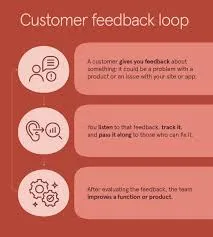

Retail feedback forms are a common part of modern shopping, appearing on receipts, emails, and brand websites. Many customers complete them quickly, often focusing on rewards or discounts offered at the end. Yet, the journey of that submitted form extends far beyond a simple confirmation message. Each response enters a structured system where it becomes part of a larger dataset used to assess customer satisfaction, service quality, and operational efficiency across multiple locations.
After submission, your feedback begins a process that connects individual opinions with broader business strategies. Retailers rely on this input to identify patterns in customer behavior, detect recurring issues, and monitor performance over time. Every answer, whether positive or critical, contributes to a clearer picture of how stores are functioning. This makes feedback forms an important communication channel between customers and businesses, even though the process remains mostly invisible to those who participate.
The Immediate Processing of Your Feedback
Once a retail feedback form is submitted, the information does not sit idle. It is collected through a centralized system that stores responses in a structured format. Most retailers rely on automated survey tools that instantly record answers, timestamps, and response patterns.
At this stage, responses are categorized based on several factors such as store location, purchase type, and satisfaction rating. Open-ended responses are also stored, though they often require further review later.
Retail systems may perform quick checks for incomplete or duplicate entries. If the form is tied to a receipt or survey code, validation ensures the submission is legitimate. This helps maintain accuracy and prevents misuse of rewards or incentives.
How Retailers Analyze Customer Responses
After collection, the next step involves analyzing the responses. Retailers use analytical tools to detect patterns, measure satisfaction levels, and identify areas that require attention. The goal is to convert raw feedback into useful insights.
Quantitative responses, such as rating scales, are processed through dashboards that display averages, trends, and comparisons across locations. Qualitative responses, such as written comments, are reviewed using text analysis tools or by human teams.
Some common focus areas during analysis include:
- Customer service experience
- Product availability and quality
- Store cleanliness and layout
- Checkout efficiency
- Staff behavior
These insights help businesses understand what customers appreciate and what needs improvement. Over time, patterns begin to emerge, making it easier to track performance across different time periods.
Internal Distribution of Feedback Data
Once analyzed, the information does not remain confined to a single department. It is distributed across various teams within the organization. Each department reviews feedback relevant to its role. Store managers receive location-specific reports that highlight performance metrics and customer comments. Regional managers review broader trends across multiple stores. Corporate teams focus on overall brand perception and long-term planning. This distribution allows feedback to influence decisions at multiple levels. For example, a store manager may address staffing concerns, while a corporate team may revise policies affecting all locations.
The Role of Surveys in Business Improvements
Customer feedback plays a direct role in shaping business decisions. Retailers use survey results to refine operations, adjust strategies, and improve service quality. This process often leads to visible changes that customers experience during future visits.
For instance, if multiple customers mention long checkout times, a store may introduce additional registers or adjust staff schedules. If product complaints appear frequently, suppliers or inventory choices may be reviewed. In many cases, feedback collected through surveys such as the Hollister Customer Survey is used to track customer satisfaction over time. This allows brands to measure whether recent changes have improved the shopping experience.
How Feedback Influences Employee Performance
Retail feedback is not limited to operational adjustments. It also affects employee evaluations and training programs. Many companies use customer responses as part of performance reviews for store staff. Positive feedback can lead to recognition or rewards for employees, while negative feedback may highlight areas that require training.
Managers often review comments to identify recurring issues related to customer interactions. This approach encourages accountability and motivates employees to maintain high service standards. It also helps create a consistent experience across different store locations.
Data Security and Privacy Considerations
Retailers handle customer feedback with a focus on data security and privacy. Personal information provided during surveys is usually protected through secure systems and limited access controls. Most surveys collect minimal personal data unless participation in a reward program requires contact details.
Even then, this information is typically stored separately from survey responses to maintain confidentiality. Companies often follow established data protection policies to prevent unauthorized access. This includes encryption, restricted database access, and compliance with privacy regulations applicable to their operations.
The Use of Feedback in Marketing Strategies
Customer feedback also plays a role in shaping marketing strategies. Retailers analyze survey responses to understand customer preferences, expectations, and buying behavior.
Insights gained from feedback may influence:
- Promotional campaigns
- Product placements
- Seasonal offerings
- Brand messaging
For example, if customers frequently mention a preference for certain styles or products, marketing teams may highlight those items in advertisements or store displays. This helps align marketing efforts with actual customer interests.
Long-Term Impact on Brand Development
Feedback collected over time contributes to the long-term development of a retail brand. By consistently reviewing customer input, businesses can adapt to changing expectations and maintain relevance in a competitive market. Historical feedback data allows companies to track improvements, identify recurring issues, and measure customer loyalty. It also helps in forecasting future trends based on past behavior. Brands that actively use customer feedback often build stronger relationships with their audience. Customers feel heard when their opinions lead to visible changes, which can increase trust and repeat visits.
Handling Negative Feedback Effectively
Negative feedback is an inevitable part of any retail operation. What matters is how it is handled. Retailers treat critical responses as opportunities for improvement rather than setbacks. When negative feedback is identified, it is often flagged for immediate review. Managers may investigate the issue, contact the customer if possible, and take corrective action. This process helps prevent similar issues from occurring in the future. In some cases, businesses implement follow-up systems where customers receive responses or updates regarding their concerns. This adds a layer of accountability and shows that feedback is taken seriously.
The Role of Technology in Feedback Management
Modern retail feedback systems rely heavily on technology. Automated tools streamline the process from data collection to analysis and reporting. These systems allow businesses to handle large volumes of responses efficiently. Advanced tools may include features such as sentiment analysis, real-time reporting, and predictive insights. These capabilities help businesses act quickly and make informed decisions based on current trends. Technology also enables integration with other systems, such as customer relationship management platforms. This creates a more comprehensive view of customer interactions and preferences.
Why Customers Continue to Participate in Surveys
Despite the structured processes behind feedback handling, customer participation remains voluntary. Many shoppers continue to complete surveys for various reasons. Some are motivated by incentives such as discounts or sweepstakes entries. Others participate to share their experiences and contribute to improvements. There is also a sense of involvement, where customers feel their opinions can influence change. Retailers encourage participation by keeping surveys short, accessible, and relevant. Clear instructions and simple formats increase completion rates and improve the quality of responses.
Frequently Asked Questions
Retail feedback systems often raise questions among customers who want to understand how their responses are processed and applied. These questions help clarify what happens behind the scenes after a survey is submitted. The following FAQs provide clear and informative explanations about how retail feedback is handled, analyzed, and used for improvements.
What happens after submitting a retail survey form?
After a retail survey form is submitted, the response is first stored in a secure system where it is automatically organized according to store location, time, and type of feedback. The system checks whether the submission is complete and valid before allowing it to enter the analysis stage. Once verified, numerical ratings are separated from written comments to make processing easier. Ratings are usually converted into measurable data that shows satisfaction levels across different areas of service. Written responses are reviewed later to understand specific customer concerns or suggestions. This structured process helps businesses turn individual opinions into useful insights for improving services.
How do companies use customer feedback data?
Companies use customer feedback data to evaluate how well their stores are performing from a customer perspective. The collected information is analyzed to detect patterns in service quality, product availability, and overall shopping experience. Management teams review both positive and negative responses to understand what is working well and what needs improvement. If repeated issues appear in multiple responses, they are prioritized for operational changes. Feedback is also used to support decision-making for staff training and store management improvements. Over time, this data helps companies align their services more closely with customer expectations.
Is personal information in surveys kept safe?
Personal information provided in retail surveys is generally protected through strict data security measures. Most systems separate personal details from feedback responses to maintain confidentiality. Encryption technologies are often used to prevent unauthorized access to stored data. Only authorized personnel can access sensitive information, and even then, access is limited to necessary functions. Companies also follow internal privacy policies to ensure data is handled responsibly. These practices help ensure that customer information remains secure throughout the entire feedback process.
Why do retailers ask customers for feedback?
Retailers ask for customer feedback to gain direct insight into real shopping experiences. This information helps them understand how customers feel about service quality, store environment, and product availability. Feedback highlights both strengths and weaknesses in daily operations, making it easier to identify areas that need attention. It also supports improvements in staff training and customer service practices. By collecting this information regularly, businesses can track changes in customer satisfaction over time. Ultimately, it helps retailers make informed decisions that improve the overall shopping experience.
Can feedback really change store operations?
Customer feedback can directly influence store operations when patterns or repeated concerns are identified. Management teams review survey results to detect issues that affect customer satisfaction. If necessary, changes may be made in staffing, checkout processes, or product stocking strategies. Positive feedback is also used to reinforce successful practices within stores. Over time, these adjustments help improve efficiency and service quality. This continuous cycle of feedback and improvement ensures that stores remain responsive to customer needs.

























Sign in to leave a comment.