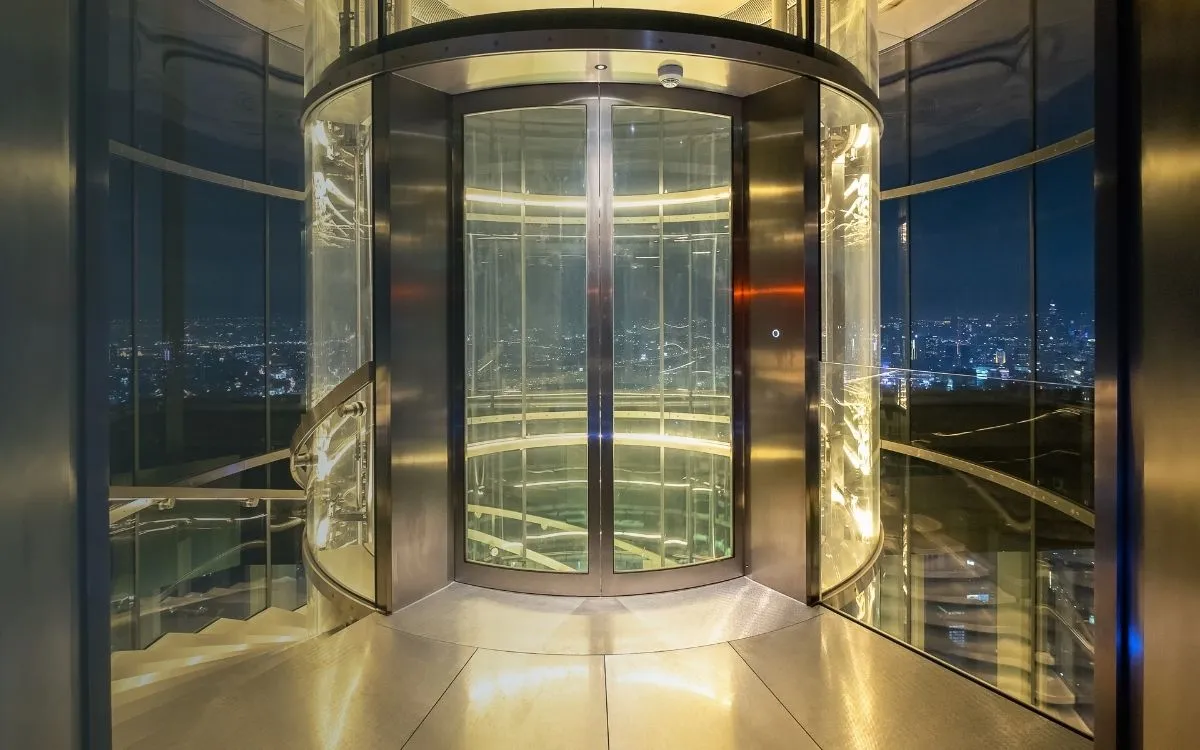

Elevators are among the hardest-working systems in a commercial building. Depending on the property, an elevator may complete hundreds of trips each day while carrying employees, tenants, customers, deliveries, and equipment between floors. Despite this constant use, most people rarely think about what keeps an elevator operating reliably until something goes wrong.
Regular commercial elevator maintenance is designed to identify developing issues, maintain essential components, and reduce the likelihood of unexpected service interruptions. However, building owners and property managers may not always know what actually happens when an elevator technician arrives for a scheduled maintenance visit.
Professional maintenance involves much more than a quick visual check. The exact work depends on the elevator type, equipment condition, service agreement, and maintenance requirements, but understanding the general process can help property managers recognize the value of consistent professional care.
Maintenance Begins Before the Equipment Is Opened
A productive maintenance visit often starts with understanding how the elevator has been performing since the previous service. An elevator technician may review available maintenance records, previous repair notes, recurring problems, and reports from building management. If occupants have experienced unusual noises, delayed doors, rough travel, or inconsistent leveling, these details can help direct the technician's attention toward potential problems.
Maintenance history becomes increasingly valuable as an elevator ages. A single malfunction may appear isolated, but records can reveal whether the same component or system has required repeated attention.
This information helps technicians approach maintenance based on the elevator's actual operating history rather than treating every visit as an identical checklist.
The Technician Observes Normal Elevator Operation
Before examining individual components, a technician may evaluate how the elevator performs during ordinary operation. Ride quality can reveal important clues about equipment condition. Changes in acceleration, stopping, leveling, vibration, noise, or door movement may indicate components that need closer examination.
The technician can also observe whether the elevator responds properly to floor calls and whether the cab consistently aligns with each landing.
Small performance changes may not seem significant to passengers, but experienced technicians understand how seemingly minor symptoms can relate to larger mechanical or electrical systems. This operational evaluation creates a baseline for the rest of the elevator servicing process.
Elevator Doors Receive Particular Attention
Doors are among the most active components of any commercial elevator.
Every trip involves opening and closing at least once, and elevators in busy buildings may complete this process hundreds or even thousands of times throughout a typical week. Because of this repeated movement, door components naturally experience considerable wear.
During commercial elevator maintenance, technicians may inspect door operators, tracks, rollers, sensors, guides, and related equipment for signs of wear or improper adjustment.
The technician may also check whether doors open and close smoothly and whether safety devices respond as intended.
Door issues are particularly important because even a relatively small problem can prevent an otherwise functional elevator from operating normally.
Mechanical Components Are Checked for Wear
Commercial elevators rely on numerous mechanical components that must operate together precisely.
Depending on the type of elevator, the technician may evaluate equipment such as motors, brakes, bearings, sheaves, hydraulic components, cables, or other drive-system parts.
The inspection may focus on signs such as:
- Unusual wear, vibration, or noise
- Loose or deteriorating components
- Fluid leakage where applicable
- Components requiring cleaning or lubrication
- Conditions requiring adjustment or further repair
Not every maintenance visit results in component replacement. Much of preventative maintenance involves identifying minor changes and correcting them before they develop into larger operational problems.
Electrical and Control Systems Are Also Important
Modern elevators depend heavily on electrical and electronic controls.
Controllers manage acceleration, stopping, floor selection, door operation, and numerous other functions. Sensors continuously communicate information about the elevator's position and operating status.
During routine servicing, technicians may examine relevant electrical connections, control equipment, indicators, switches, and other accessible components for signs of deterioration or abnormal operation.
Older commercial elevators may require particular attention because aging electrical components can become increasingly difficult to maintain.
When recurring control problems become common, maintenance records can also help property owners determine whether modernization should eventually be considered.
Safety-Related Equipment Requires Regular Attention
Passenger safety is one of the most important considerations during elevator maintenance.
Commercial elevator systems incorporate numerous devices designed to control movement, door operation, communication, and emergency response. Professional technicians understand how these systems interact and what conditions require additional attention.
Maintenance work may include evaluating applicable safety-related components and confirming that equipment is functioning appropriately.
However, routine maintenance should not be confused with a formal commercial elevator inspection required by an authority having jurisdiction. Maintenance helps keep equipment in serviceable condition, while official inspections generally evaluate compliance with applicable codes and regulatory requirements. Both play important roles in responsible elevator management.
The Elevator Pit and Other Less-Visible Areas Matter
Some important elevator components are located where passengers never see them.
The elevator pit, machine space, hoistway-related equipment, and other restricted areas can reveal developing conditions that aren't visible from inside the cab.
Depending on the equipment and maintenance scope, an elevator technician may inspect accessible areas for debris, moisture, leaks, worn components, or other abnormalities.
Keeping these spaces in appropriate condition can also make future maintenance and troubleshooting easier.
Because elevator systems extend far beyond the passenger cab, professional servicing requires understanding how all these areas contribute to overall performance.
Preventative Maintenance Helps Find Problems Earlier
The biggest advantage of preventative maintenance is the opportunity to identify deterioration while the elevator is still functioning.
A worn component discovered during scheduled servicing can often be addressed in a controlled manner. If the same component fails unexpectedly, the building may experience unplanned elevator downtime while diagnosis and repairs are arranged.
Planned maintenance also allows property managers to better anticipate future needs.
When technicians document equipment condition consistently, building owners gain useful information about recurring repairs, aging components, and potential modernization requirements. This long-term perspective is particularly valuable for older commercial properties.
What Happens After the Maintenance Work?
A professional maintenance visit should leave a record of what was inspected, adjusted, serviced, or identified for further attention according to the applicable maintenance program.
If a technician discovers a condition requiring repair, the property manager can be informed about the issue and the recommended next step. Not every concern requires immediate major work, but understanding which components are deteriorating helps owners make better maintenance decisions.
Clear communication between technicians and building management is an important part of effective commercial elevator maintenance. It turns individual service visits into an ongoing strategy for maintaining reliable equipment.
Choosing Experienced Commercial Elevator Professionals
Because elevator systems combine sophisticated mechanical, electrical, and safety equipment, maintenance should be performed by qualified professionals familiar with commercial elevator systems.
For building owners and property managers in San Diego, Elevator Professionals Inc. provides professional elevator servicing, maintenance, repairs, modernization, inspections, and emergency support for commercial elevator systems. Working with experienced elevator professionals provides building managers with ongoing technical expertise while helping identify potential equipment concerns before they become disruptive failures.
Consistent Maintenance Supports Long-Term Reliability
A professional maintenance visit involves far more than checking whether an elevator moves between floors. Technicians evaluate performance, doors, mechanical equipment, controls, safety-related systems, and other components that contribute to dependable operation.
Regular elevator maintenance provides an opportunity to detect wear, make necessary adjustments, document equipment condition, and plan repairs before unexpected failures occur.
Combined with best elevator inspections and timely repairs, consistent preventative maintenance helps building owners manage their elevators proactively rather than waiting for something to break.
For commercial properties that depend on reliable vertical transportation every day, that proactive approach can mean fewer disruptions, better equipment performance, and a more dependable experience for everyone who uses the building.






















Sign in to leave a comment.