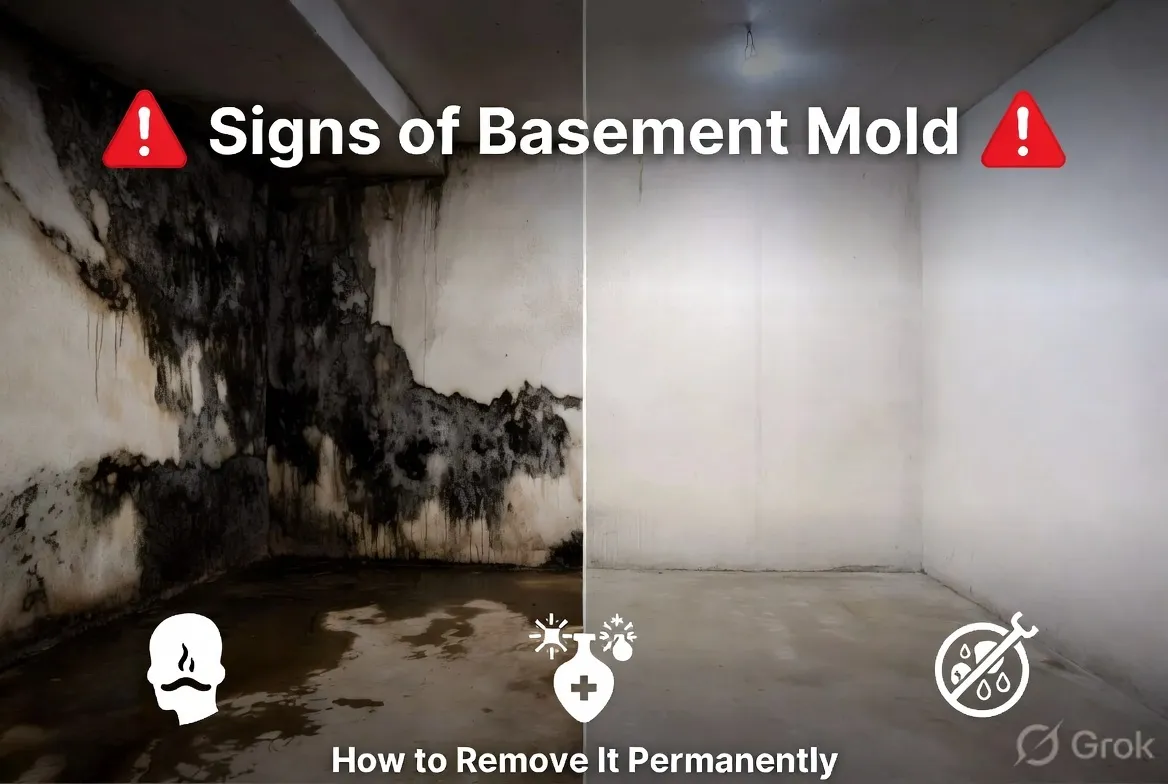

Mold growth is one of the most common problems homeowners face, especially in areas affected by moisture, leaks, humidity, or water damage. While many people notice mold on walls, ceilings, or other surfaces, they may not fully understand the remediation process or why professional treatment is so important. Knowing what happens during mold remediation can help homeowners make informed decisions and protect their property from long-term damage.
Mold remediation is a comprehensive process designed to identify, contain, remove, and prevent mold growth. Unlike simple cleaning methods, professional remediation addresses the underlying cause of the problem while helping restore a healthier indoor environment. Whether mold is visible or hidden behind walls, proper remediation is essential for maintaining the safety and value of your home.
Why Mold Remediation Matters
Mold can spread quickly when moisture is present. If left untreated, it may damage building materials, reduce indoor air quality, and create costly repair issues. Many homeowners search for information about how to remove mold, but surface cleaning alone often fails to eliminate the root cause of the problem.
Professional remediation focuses on identifying moisture sources and ensuring mold does not continue to grow. This approach provides a more effective and long-lasting solution than simply cleaning visible areas.
The Mold Remediation Process Explained
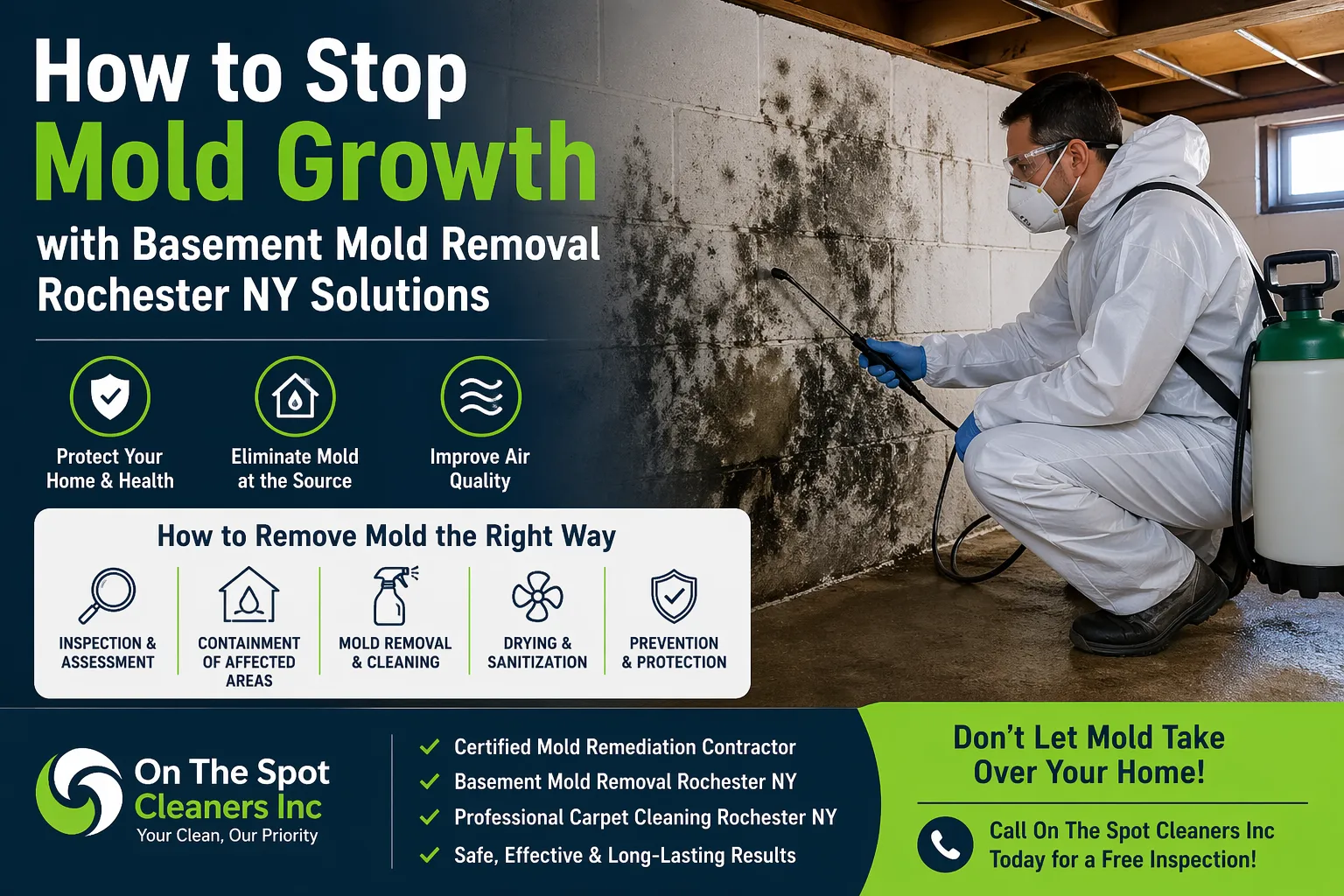
1. Inspection and Assessment
The first step in remediation involves a detailed inspection of the property. Professionals identify affected areas, determine the extent of contamination, and locate moisture sources contributing to mold growth.
This assessment helps create a customized remediation plan and ensures all affected areas receive proper treatment.
2. Containment of Affected Areas
Once mold has been identified, technicians establish containment barriers to prevent spores from spreading throughout the property. Specialized plastic sheeting and negative air pressure systems help isolate contaminated areas during the cleanup process.
Containment is a critical step because disturbing mold colonies can release spores into the air, increasing the risk of contamination in other parts of the home.
3. Air Filtration and Cleaning
Professional remediation teams use HEPA air scrubbers and filtration equipment to capture airborne mold spores. These systems improve indoor air quality and help create a safer environment during remediation.
Many property owners are concerned about how long after cleaning mold is it safe to reoccupy an area. The answer depends on factors such as the severity of contamination, ventilation, and post-remediation verification. Professional cleaning and air filtration significantly reduce airborne particles and help restore healthy indoor conditions.
4. Removal of Contaminated Materials
Depending on the extent of the damage, some materials may need to be removed and replaced. Porous materials such as drywall, insulation, carpeting, and ceiling tiles can sometimes retain mold growth even after cleaning.
Proper disposal of contaminated materials helps prevent mold from returning and ensures the effectiveness of the remediation process.
5. Surface Cleaning and Treatment
After damaged materials are removed, technicians clean and sanitize affected surfaces using specialized equipment and approved cleaning solutions. This step helps eliminate remaining mold spores and contaminants.
The goal is not only to remove visible mold but also to address microscopic spores that may contribute to future growth.
6. Moisture Control and Prevention
One of the most important aspects of remediation is correcting the moisture problem that caused mold growth in the first place. This may involve repairing leaks, improving ventilation, controlling humidity levels, or addressing water intrusion issues.
Without moisture control, mold can quickly return even after professional treatment.
Special Attention for Attics and Hidden Areas
Attics are particularly vulnerable to mold due to poor ventilation, roof leaks, and condensation buildup. Professional attic mold removal rochester ny services focus on identifying hidden mold growth and addressing the underlying causes that contribute to moisture accumulation.
Because attic mold often develops out of sight, regular inspections can help prevent extensive structural damage and costly repairs.
Understanding the Timeline
A common question homeowners ask is how long does mold remediation take. The answer depends on the size of the affected area, the severity of contamination, and the repairs required after cleanup.
Small remediation projects may be completed within a day or two, while larger projects involving structural repairs can take several days or even weeks. Professional assessment provides a more accurate timeline based on the specific conditions of the property.
The Importance of Post-Remediation Cleaning
Following remediation, thorough cleanup is essential to ensure the area is safe and free from contamination. Proper aftermath mold cleaning helps remove residual dust, debris, and remaining spores generated during the remediation process.
This final stage helps restore cleanliness and provides homeowners with greater confidence in the safety of their indoor environment.
Additional Services That Support Indoor Air Quality
Mold remediation is often part of a broader strategy to improve indoor air quality. Services such as duct cleaning ny can help remove dust, allergens, and contaminants from HVAC systems, reducing the circulation of unwanted particles throughout the home.
Working with the cleaning experts ensures that both visible and hidden contamination issues are addressed effectively.
Choosing the Right Professionals
Successful remediation requires specialized knowledge, equipment, and experience. Trusted providers such as spots cleaners understand the importance of proper containment, cleanup, and prevention strategies to deliver long-lasting results.
At On The Spot Cleaners Inc, we are committed to helping homeowners protect their properties through professional mold remediation solutions. Our team works diligently to identify the source of mold, remove contamination safely, and implement preventative measures that support a healthier living environment.
Protect Your Home with Professional Mold Remediation
Mold problems rarely resolve themselves and often become more serious over time. Understanding what happens during mold remediation allows homeowners to take proactive action before extensive damage occurs.
If you suspect mold growth in your home, don't wait for the problem to worsen. Contact our experienced team today for professional inspection, remediation, and prevention services. We are ready to help restore your home's safety, improve indoor air quality, and provide the peace of mind you deserve.
Frequently Asked Questions
What is mold remediation and why is it important?
Mold remediation is a comprehensive process aimed at identifying, containing, removing, and preventing mold growth in a home. It's crucial because mold can rapidly spread in moist environments, leading to structural damage and poor indoor air quality if not addressed properly.
How long does the mold remediation process take?
The duration of mold remediation varies based on factors such as the size of the affected area and the severity of contamination. Small projects may be completed in a day or two, while larger jobs requiring structural repairs could take several days or even weeks.





























Sign in to leave a comment.