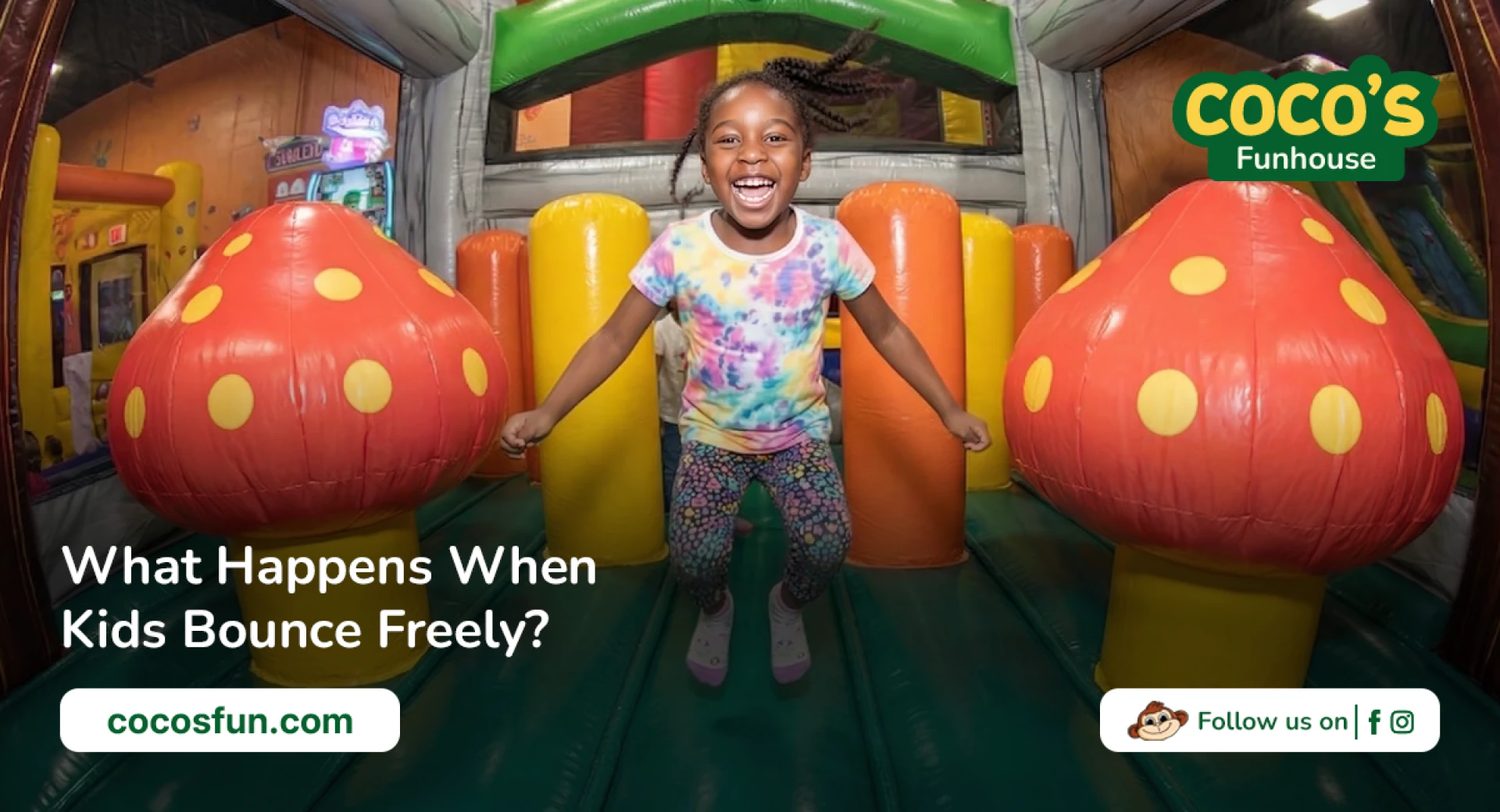

There’s something magical about watching a toddler bounce. The laughter, the wobbly landings, the “again, again!” energy. It feels like pure play. But here’s the beautiful part most parents don’t realize... Every single jump is quietly shaping your child’s growth.
What looks like fun is actually a powerful mix of physical, cognitive, and emotional development happening all at once. Let’s break it down in a simple way.
The Hidden Power of Bouncing for Toddlers
In the early years, children don’t learn by sitting still. They learn through movement. Activities like bouncing, jumping, and climbing are not just ways to burn energy. They are essential developmental tools.
Bouncing, in particular, stands out because it engages the entire body and brain at the same time. So when your toddler is jumping endlessly, they’re building the foundation for how they move, think, and feel.
1. Builds Strong Muscles and Healthy Bones
Let’s start with the obvious but important benefit. Every time a toddler jumps, they activate multiple muscle groups.
- Legs (for pushing off)
- Core (for balance)
- Back (for stability)
This makes bouncing a full-body workout disguised as fun. Research shows that jumping activities help strengthen muscles and improve posture as children grow. Even more interesting? Bouncing is a weight-bearing activity. This means it helps stimulate bone growth and density. It is crucial during early development.
Each jump is helping build a stronger physical foundation for running, climbing, and all the adventures ahead.
2. Improves Balance and Coordination
Have you noticed how toddlers wobble when they first jump? That wobble is actually learning in progress. Bouncing constantly shifts a child’s center of gravity, forcing them to
- Adjust their posture
- Stabilize their body
- Control their landing
Over time, this strengthens their balance and coordination. These are essential for everyday movements like walking, climbing stairs, and even sitting upright. It also improves something called proprioception. It's the body’s ability to understand its position in space.
In simple terms, Bouncing helps toddlers feel more “in control” of their bodies.
3. Boosts Gross Motor Skills
Gross motor skills involve large muscle movements like running, jumping, and climbing. Bouncing naturally strengthens these skills because it requires repeated movement, timing, and body coordination.
As toddlers practice jumping, they learn how to
- Push off the ground
- Control their height
- Land safely
This repetition builds confidence and ability, making other physical activities easier over time. And the best part? They don’t even realize they’re practicing.
4. Enhances Sensory Development
Here’s where things get fascinating. Bouncing stimulates the vestibular system, which takes care of balance, movement, and spatial awareness. This system lives in the inner ear and plays a huge role in how children understand motion.
The up-and-down movement of bouncing provides powerful sensory input that helps toddlers.
- Process their environment better
- Improve body awareness
- Feel more stable and secure
It also engages multiple senses at once, supporting sensory integration. It is critical for learning and behavior.
5. Supports Brain Development
Bouncing isn’t just physical, it’s deeply cognitive. When toddlers jump, their brains are constantly working to
- Judge distance
- Time movements
- Maintain rhythm
- Adjust body position mid-air
These actions strengthen cognitive skills like spatial awareness, problem-solving, and focus. It’s a perfect example of how movement fuels learning in early childhood.
6. Improves Heart Health and Fitness
If you’ve ever watched a toddler bounce for 10 minutes straight, you know it’s a workout. Bouncing increases heart rate and gets blood flowing. This makes it an excellent form of cardiovascular exercise.
It helps to
- Build endurance
- Strengthen the heart
- Support overall fitness
And unlike structured workouts, toddlers want to keep going. That’s the beauty of it.
7. Helps with Emotional Regulation
Toddlers have big emotions and not always the words to express them. Bouncing gives them a healthy outlet. The repetitive motion helps to
- Release pent-up energy
- Reduce frustration
- Calm the nervous system
In fact, rhythmic movement like bouncing can either energize or calm a child. This depends on what they need. That’s why after a good bouncing session, kids often seem happier, more relaxed, and easier to manage.
8. Builds Confidence and Independence
There’s a small but powerful moment every parent has seen... That first successful jump without falling. It might seem tiny, but to a toddler, it’s a big win.
Bouncing helps children
- Take small risks
- Learn through trial and error
- Experience achievement
This builds self-confidence and independence, encouraging them to try new things. Over time, those small wins turn into a strong belief, “I can do this.”
9. Encourages Social Skills and Bonding
Put two toddlers in a bounce space, and something interesting happens. They start observing each other, taking turns, interacting, and laughing together. Bouncing becomes a shared experience that naturally builds
- Social interaction
- Cooperation
- Communication
It also creates joyful bonding moments with parents and siblings, those little memories that stick.
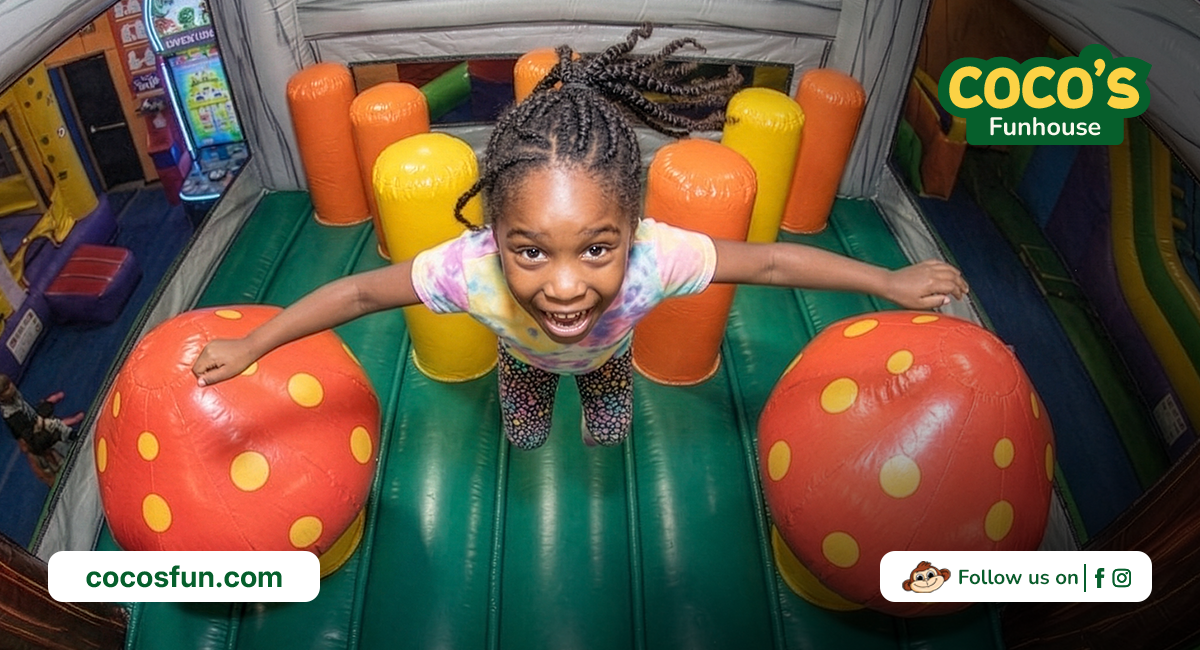
Why Bouncing Works So Well for Toddlers
Here’s the real insight...
Toddlers don’t learn through instructions. They learn through movement, repetition, and joy.
Bouncing checks all three boxes
- It’s repetitive: Builds skills
- It’s physical: Strengthens the body
- It’s fun: Keeps them engaged
That combination makes it one of the most effective developmental activities without feeling like one.
Conclusion: A workout your kids will love
Next time you see a toddler bouncing nonstop, you’ll see it differently. It’s not just play. It’s
- Strength training
- Brain development
- Emotional release
- Confidence building
All rolled into one joyful activity. And maybe that’s the real win. It's something so powerful, yet so simple, that kids can’t get enough of it. If you’re creating spaces or experiences for kids, bouncing isn’t just entertainment but value.

























Sign in to leave a comment.