

At some point, you will be asked to notarize an important document. It might be a real estate form, a power of attorney, loan paperwork, or a sworn affidavit. When that moment comes, you usually expect to visit a bank or an office, wait in line, and fit everything into business hours. But life does not always work that neatly.
That is where a mobile notary comes in.
If you have ever wondered what a mobile notary actually does, how it is different from a traditional notary, and when it truly makes sense to use one, this guide is for you. You will walk away knowing exactly when a mobile notary is helpful, when it is essential, and how to decide if it is the right option for your situation.
What Is a Mobile Notary?
A mobile notary is a commissioned notary public who travels to your location to notarize documents. Instead of you going to an office, the notary comes to your home, workplace, hospital, care facility, or any agreed-upon location.
The role of the notary stays the same. They verify identities, confirm willingness and awareness, and witness signatures. What changes is convenience.
When you work with a mobile notary, you choose the place and often the time. That flexibility is what makes this option so valuable in real-world situations.
What a Mobile Notary Can Notarize
A mobile notary can handle most documents that require notarization, including:
- Real estate documents
- Loan and mortgage paperwork
- Power of attorney forms
- Affidavits and sworn statements
- Trusts and estate documents
- Medical and healthcare directives
- Business agreements
- Vehicle title transfers
The exact documents may vary by state, but the core function remains the same.
READ MORE - Notaries & Privacy: Ensuring Your Documents Stay Safe
How a Mobile Notary Is Different from a Traditional Notary
The biggest difference is location. A traditional notary works from a fixed place, like a bank branch, law office, or shipping center. You go to them during set hours.
A mobile notary works around your schedule and travels to you.
Here is how that difference plays out in real life.
Traditional Notary
- Fixed location
- Limited hours
- Often requires appointments or waiting
- May not be available on short notice
Mobile Notary
- Comes to your location
- Flexible scheduling, including evenings and weekends
- Ideal for urgent or time-sensitive needs
- Helpful when travel is difficult or impossible
If you are healthy, nearby, and free during office hours, a traditional notary may be fine. But many situations are not that simple.
When Do You Actually Need a Mobile Notary?
You do not always need a mobile notary. But in certain situations, it becomes the most practical or even the only realistic option.
When You Cannot Easily Travel
If you are recovering from surgery, caring for someone at home, or dealing with mobility issues, traveling to a notary office can be stressful or unsafe. A mobile notary removes that burden entirely by coming to you.
This is especially common for elderly individuals, people with disabilities, or those under temporary medical restrictions.
When Time Is Critical
Some documents cannot wait days for an appointment. Real estate closings, legal filings, or financial deadlines often require signatures on a tight timeline.
In those moments, searching for a traveling notary near me makes sense because you are not limited by office hours or location. A mobile notary can often accommodate same-day or urgent requests.
When Documents Must Be Signed at a Specific Location
Certain documents need to be signed where the signer is physically present. This often includes:
- Hospitals
- Nursing homes
- Rehabilitation centers
- Correctional facilities
- Work sites
In these cases, bringing the notary to the signer is not just convenient. It is necessary.
When Multiple People Need to Sign
Coordinating multiple signers can be difficult if everyone has different schedules or lives in different places. A mobile notary can meet you at a shared location or work around your group’s availability.
Common Situations Where Mobile Notaries Are Used
Understanding real-world scenarios helps clarify when a mobile notary fits best.
Real Estate Transactions
Home purchases, refinances, and property transfers often involve large document packages. Mobile notaries regularly assist with:
- Buyer and seller signings
- Loan document notarization
- Refinance paperwork
- Deeds and affidavits
Meeting at your home or office makes the process calmer and more efficient, especially when paperwork takes time to review.
Legal and Estate Planning Documents
Wills, trusts, and powers of attorney often involve sensitive conversations and careful consideration. Many people prefer signing these documents in a private, comfortable setting rather than a public office.
Medical and Healthcare Documents
Healthcare directives, living wills, and medical powers of attorney are often completed during stressful times. A mobile notary can visit hospitals or care facilities, helping ensure documents are properly notarized without adding pressure.
Business and Corporate Needs
Business owners often need contracts notarized without stepping away from daily operations. A mobile notary can meet at your workplace and keep your day moving.
READ MORE - Mobile Notary: Your Privacy, Our Priority
What to Expect During a Mobile Notary Appointment
If you have never used one before, you might wonder what actually happens during the appointment. The process is usually straightforward.
Identity Verification
You will need valid government-issued photo identification. The notary will verify your identity just as a traditional notary would.
Review of Documents
The notary ensures the documents are complete and eligible for notarization. They do not provide legal advice or explain the contents, but they confirm everything is ready to sign.
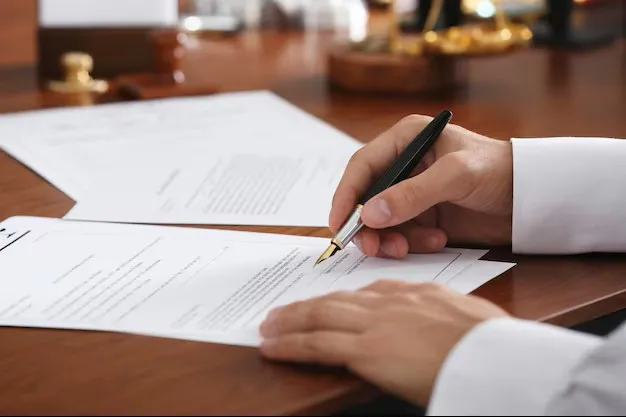
Witnessing the Signature
You sign the document in front of the notary. If witnesses are required, this should be arranged ahead of time unless the notary offers witness services.
Notarial Act
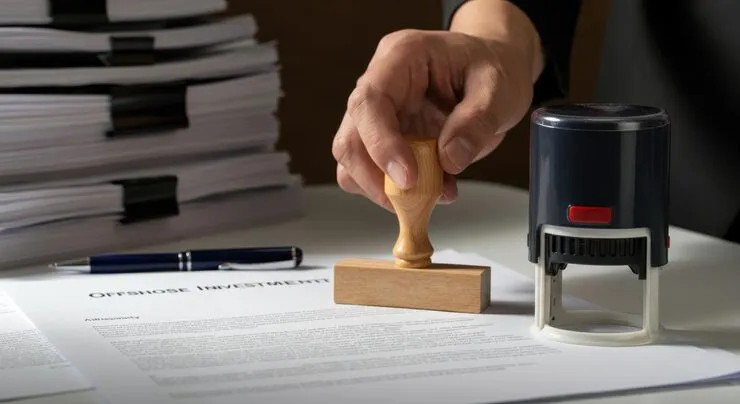
The notary completes the required certificate, applies their seal, and records the transaction in their journal.
That is it. The location changes, but the legal standards remain the same.
Is a Mobile Notary Legal and Secure?
Yes. A mobile notary is a legally commissioned notary public, just like one working from a bank or office. They follow the same laws, identity requirements, and ethical standards.
The notarization is valid as long as it complies with state regulations.
Security and confidentiality are also part of a notary’s responsibility. Your documents and personal information should be handled with care and discretion.
Why People Choose Mobile Notary Services Over Traditional Options
The choice often comes down to real-life convenience rather than preference.
People turn to a mobile notary service because:
- They cannot leave their location
- They need flexible scheduling
- They want a calmer, private setting
- They are handling urgent or sensitive matters
- They value time and simplicity
It is not about luxury. It is about practicality.
How to Prepare for a Mobile Notary Visit
A little preparation makes the appointment smooth and stress-free.
Before the Notary Arrives
- Have valid photo ID ready
- Ensure all signers are present
- Review documents beforehand
- Confirm whether witnesses are required
- Choose a quiet, well-lit space for signing
If you are unsure about any of these details, clarify them when booking the appointment.
How Much Does a Mobile Notary Typically Cost?
Costs vary by location and situation. You are usually paying for two things:
- The notarization itself
- The travel and time involved
Mobile notaries often charge a travel fee in addition to standard notarial fees. This reflects the convenience and flexibility they provide.
While it may cost more than visiting a fixed office, many people find the tradeoff worthwhile, especially when time, health, or urgency are factors.
When a Mobile Notary Is Not Necessary
There are times when a mobile notary may not be needed.
- If you live near a bank offering free notarization
- If your schedule is flexible
- If the document is not time-sensitive
- If travel is easy and convenient
In those cases, a traditional notary may be sufficient. The key is choosing the option that fits your situation, not forcing one approach.
How to Decide If a Mobile Notary Is Right for You
Ask yourself a few simple questions:
- Do you have difficulty traveling?
- Is the document urgent?
- Are you signing at a hospital or care facility?
- Do you need flexible timing?
- Would meeting at your location reduce stress?
If you answered yes to any of these, searching for a mobile notary service near me is likely the right move.
Conclusion
A mobile notary is not just a convenient alternative. In many situations, it is the most practical solution. Whether you are dealing with time-sensitive paperwork, limited mobility, or sensitive legal documents, having a notary come to you can make the entire process smoother and less stressful.
You do not need a mobile notary for every document. But when circumstances make travel difficult or timing critical, this service fills an important gap. Understanding when and why to use one helps you make informed decisions and avoid unnecessary complications.
FAQs
What documents can a mobile notary notarize?
A mobile notary can notarize most documents that require notarization, including real estate forms, legal affidavits, powers of attorney, healthcare directives, and business agreements, as long as they are permitted by state law.
Can a mobile notary come to a hospital or nursing home?
Yes. Mobile notaries often travel to hospitals, nursing homes, and care facilities. This is one of the most common reasons people use their services.
Is a mobile notary allowed to explain my documents?
No. A notary cannot provide legal advice or explain the contents of your documents. Their role is to verify identity, witness signatures, and complete the notarization.
Do I need witnesses for my document?
Some documents require witnesses, depending on the type and state laws. It is best to confirm this before the appointment so arrangements can be made.
Are mobile notarizations legally valid?
Yes. A notarization performed by a properly commissioned mobile notary is legally valid as long as all legal requirements are met.




























Sign in to leave a comment.