In today's rapidly evolving telecommunications landscape, businesses are constantly seeking cost-effective solutions that don't compromise quality. The 8 port FXS gateway stands as a pivotal technology in this transition, bridging traditional analog telephone systems with modern VoIP networks. This comprehensive guide explores everything you need to know about these essential devices - from their basic functionality to advanced implementation strategies.
What Is an FXS Gateway and How Does It Work?
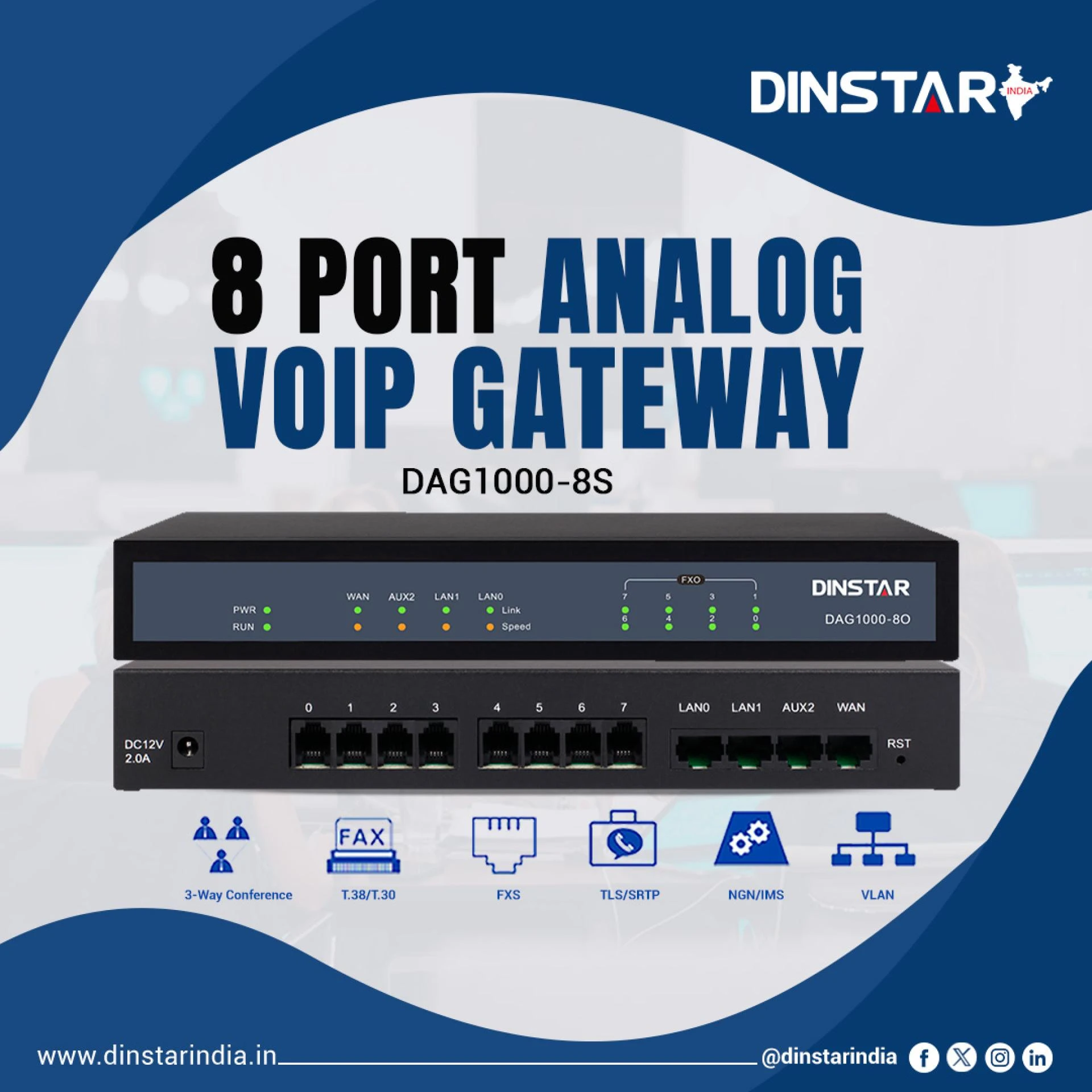
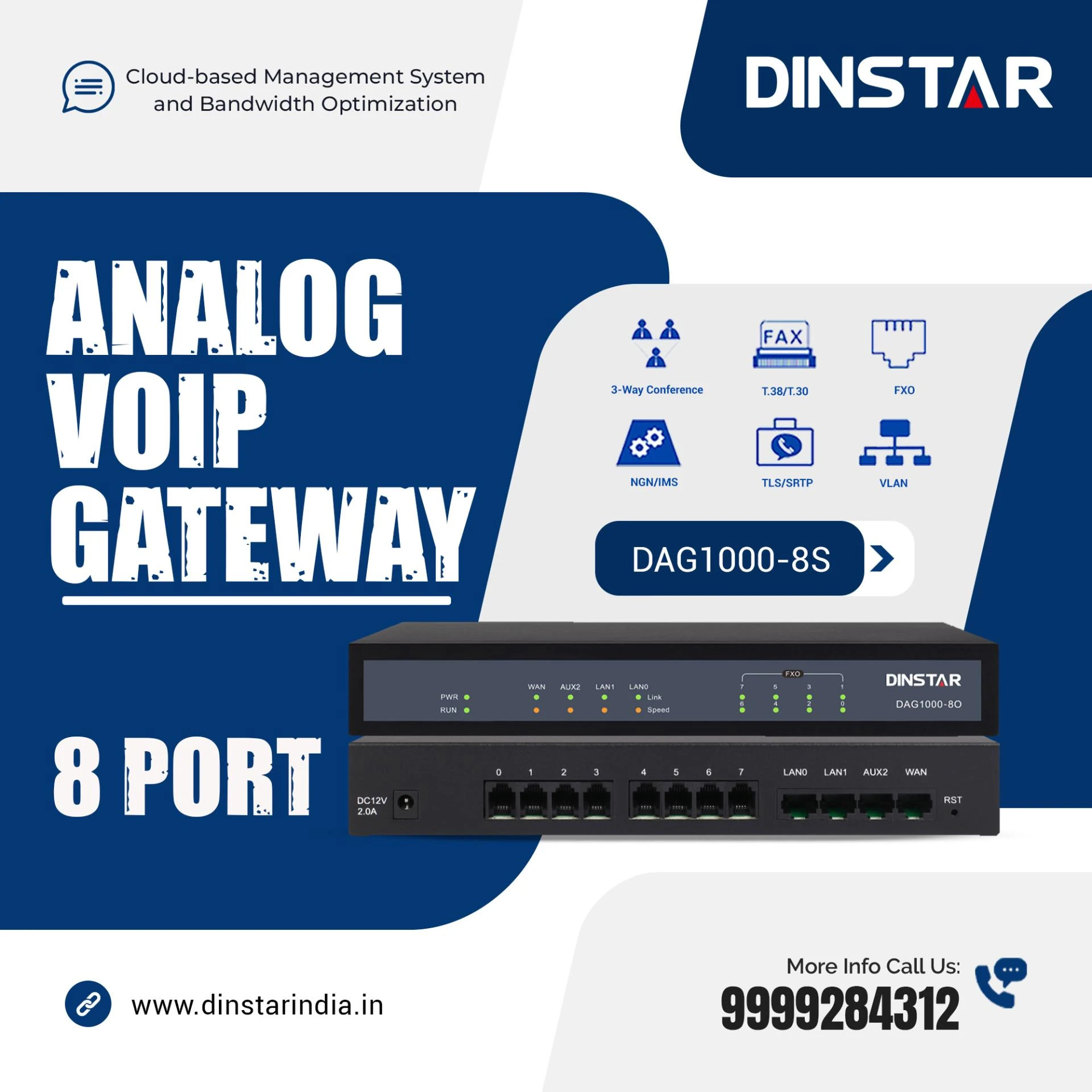
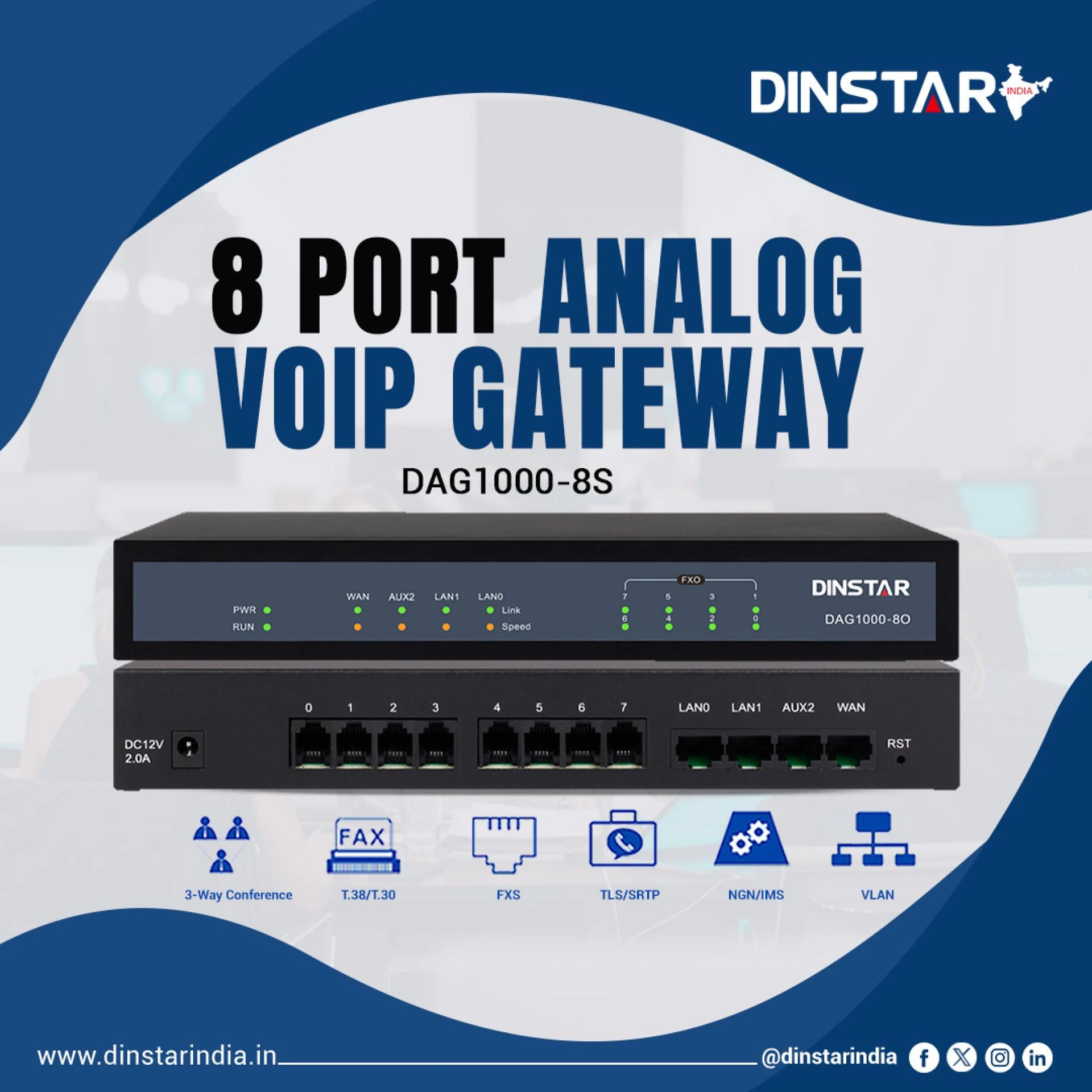
An 8 port FXS (Foreign Exchange Station) gateway is a telecommunications device that connects analog telephones, fax machines, and similar equipment to digital Voice over Internet Protocol (VoIP) networks. As the name suggests, it features eight FXS ports, each capable of supporting one analog device.
These gateways act as a crucial bridge between legacy telecommunications equipment and modern IP-based systems, allowing businesses to preserve investments in existing hardware while benefiting from VoIP technology's advantages.
Key Features of 8 Port FXS Gateways
1. Multiple Connectivity Options
Most 8 port FXS gateways offer various network connection options, including:
- Ethernet ports for LAN/WAN connectivity
- USB ports for configuration and management
- RJ11 ports for connecting analog devices
2. Protocol Support
Quality gateways support multiple VoIP protocols, including:
- SIP (Session Initiation Protocol)
- H.323
- MGCP (Media Gateway Control Protocol)
3. Voice Codecs
For optimal audio quality and bandwidth efficiency, modern gateways support various voice codecs:
- G.711 (high quality, higher bandwidth)
- G.729 (good quality, lower bandwidth)
- G.722 (HD voice)
- Opus (adaptive high-quality)
4. Advanced Calling Features
Despite connecting analog devices, FXS gateways typically support:
- Call forwarding
- Call waiting
- Call transfer
- Three-way calling
- Caller ID
- Voicemail integration
Top 10 Benefits of Implementing an 8 Port FXS Gateway
1. Cost Efficiency
By implementing an 8 port FXS gateway, businesses can:
- Continue using existing analog phones and fax machines
- Reduce long-distance and international calling costs
- Consolidate voice and data networks
- Minimize maintenance expenses for multiple systems
2. Scalability
These gateways offer excellent scalability options:
- Start with the ports you need now and expand later
- Easily add more gateways as your business grows
- Integrate with larger IP-PBX systems when ready
3. Reliability
Modern 8 port FXS gateways provide:
- Redundancy options
- Backup power connections
- Failover routing capabilities
- Quality of Service (QoS) mechanisms
4. Simplified Transition
For businesses hesitant to make an immediate complete switch to VoIP:
- Gradual migration path
- Minimal disruption to daily operations
- Opportunity for staff to adapt to new technologies
- Preservation of familiar equipment and processes
5. Improved Call Quality
When properly implemented, FXS gateways can deliver:
- Clearer voice communications
- Reduced background noise
- Consistent performance
- HD voice capabilities (with supported codecs)
6. Regulatory Compliance
Many 8 port FXS gateways help businesses meet:
- Emergency calling requirements
- Communications accessibility standards
- Industry-specific regulations
- Data security requirements
7. Remote Management
Advanced gateways offer:
- Web-based configuration interfaces
- SNMP monitoring capabilities
- Remote firmware updates
- Centralized administration tools
8. Business Continuity
During system transitions or outages:
- Maintain essential communications
- Enable automatic failover options
- Support emergency backup systems
- Preserve critical business functions
9. Resource Optimization
Businesses can better utilize:
- IT staff expertise
- Network infrastructure
- Telecom budgets
- Technical support resources
10. Future Compatibility
Quality 8 port FXS gateways provide:
- Upgrade paths to newer technologies
- Integration with emerging systems
- Adaptation to changing business needs
- Protection of current investments
Popular Use Cases for 8 Port FXS Gateways
Small to Medium Businesses
SMBs frequently deploy these gateways to:
- Connect existing analog phone systems to SIP trunks
- Integrate branch offices into a unified communications system
- Support analog conference phones and door entry systems
- Maintain fax capabilities while moving to digital voice
Hospitality Industry
Hotels and hospitality businesses utilize 8 port FXS gateways for:
- In-room telephone services
- Connection to property management systems
- Emergency calling systems
- Staff communication networks
Healthcare Facilities
Medical offices and healthcare providers benefit from:
- Reliable analog connections for emergency systems
- Fax capabilities for medical records and prescriptions
- Integration with nurse call systems
- Compliance with regulations requiring backup communication methods
Educational Institutions
Schools and universities implement these gateways to:
- Modernize campus-wide communications
- Integrate classroom emergency phones
- Connect analog PA systems to digital networks
- Provide reliable communications during power outages
How to Choose and Implement an 8 Port FXS Gateway
Technical Considerations for Deployment
Network Requirements
Before implementing an 8 port FXS gateway, ensure your network has:
- Sufficient bandwidth for simultaneous calls (approximately 80-100 Kbps per call)
- Low latency connections (under 150ms for optimal quality)
- Proper QoS configuration to prioritize voice traffic
- Reliable power backup systems
Security Considerations
Protect your voice network by:
- Implementing strong password policies
- Using VLANs to segment voice traffic
- Enabling encryption for SIP signaling
- Regularly updating gateway firmware
- Configuring proper access controls
Installation Best Practices
For optimal performance:
- Place the gateway in a climate-controlled environment
- Ensure proper grounding to prevent audio issues
- Use high-quality Ethernet cabling (Cat5e or better)
- Label all connections clearly for future maintenance
- Document IP addresses and configuration settings
Choosing the Right 8 Port FXS Gateway
Essential Features to Consider
When selecting the appropriate gateway for your needs, evaluate:
- Call capacity and processing power
- Supported protocols and codecs
- Management interfaces (web GUI, CLI, SNMP)
- Warranty and support options
- Manufacturer reputation and longevity
Budget Considerations
Balance your budget with requirements by considering:
- Initial hardware costs
- Ongoing licensing fees (if applicable)
- Support contract expenses
- Implementation and training costs
- Potential ROI from reduced telecom expenses
Compatibility Check
Ensure compatibility with:
- Your existing PBX or IP-PBX system
- VoIP service providers you plan to use
- Analog devices you need to connect
- Network infrastructure and management tools
How to Troubleshoot Common Implementation Challenges
Echo and Audio Quality Issues
If you encounter echo problems:
- Adjust echo cancellation settings
- Check impedance matching for analog lines
- Verify proper grounding and cable quality
- Test different codec configurations
Interoperability Problems
For devices that don't work correctly:
- Update gateway firmware to latest version
- Check for vendor-specific configuration requirements
- Implement protocol normalization if needed
- Contact manufacturer support for compatibility patches
Network Congestion
To prevent voice quality degradation:
- Implement QoS policies across your network
- Monitor bandwidth usage during peak hours
- Consider dedicated VLANs for voice traffic
- Upgrade network infrastructure if consistently congested
Future-Proofing Your Investment
Integration with Emerging Technologies
Modern 8 port FXS gateways can often integrate with:
- Cloud-based UCaaS platforms
- Mobile communication solutions
- Video conferencing systems
- IoT and smart building technologies
Upgrade Paths
Plan for the future by:
- Choosing gateways with firmware upgrade capabilities
- Selecting vendors with a clear product roadmap
- Considering modular systems that allow component upgrades
- Implementing with scalability in mind
Conclusion
The 8 port FXS gateway represents a strategic investment for businesses navigating the transition between legacy analog systems and modern VoIP technology. By understanding what an FXS gateway is, along with the features, benefits, and implementation considerations outlined in this guide, organizations can make informed decisions that balance immediate needs with long-term communications goals.
Whether you're a small business looking to reduce telecom costs, a hotel preserving in-room phone services, or a healthcare facility maintaining critical communication systems, an 8 port FXS gateway provides the flexibility and reliability needed in today's hybrid telecommunications environment.




























Sign in to leave a comment.