

Cannabis concentrates come in many forms, each with its own texture, appearance, consistency, and production characteristics. Budder concentrate and wax are two popular types that are often compared because they have a similar soft consistency. While both are concentrated forms made from cannabis extracts, they can differ in texture, appearance, handling, and overall user experience. Understanding these differences can help consumers make more informed choices when exploring concentrates.
What Is Budder Concentrate?
Budder is a type of cannabis concentrate known for its smooth, creamy, and buttery texture. The name comes from its resemblance to softened butter. It is generally produced by extracting cannabinoids and other compounds from cannabis plant material and then processing the extract to create its characteristic consistency.
One of the most noticeable features of budder is its soft, spreadable texture. Depending on how it is produced and stored, budder can range from a thick, creamy consistency to something slightly firmer. Its color may vary from light golden shades to darker tones depending on the starting material and extraction process.
Because budder is highly concentrated compared with traditional cannabis flower, it is generally intended for experienced consumers. Potency can vary considerably between products, so checking the product label and laboratory testing information is important.
What Is Wax Concentrate?
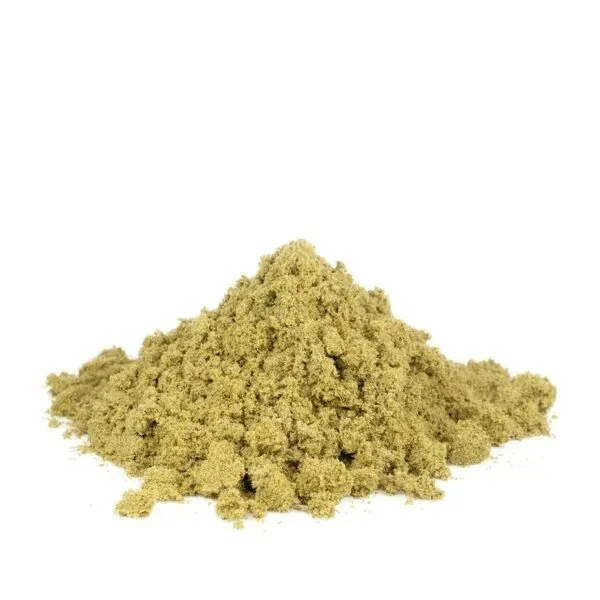
Wax is another type of cannabis concentrate that typically has a soft, crumbly, or wax-like texture. Its appearance can vary depending on the extraction and finishing processes used. Some wax products may look dry and crumbly, while others can have a softer consistency.
Like budder, wax contains concentrated cannabinoids and may also retain aromatic compounds that contribute to its distinctive smell and flavor. The final texture can depend on factors such as processing techniques, moisture, temperature, and storage conditions.
Wax is popular because it can offer a concentrated alternative to traditional flower. However, because concentrates can contain significantly higher cannabinoid levels, consumers should pay close attention to potency and use products responsibly.
Budder vs. Wax: Key Differences
The main difference between budder and wax is texture and consistency. Budder is typically smooth, creamy, and easy to spread, while wax is often more crumbly, sticky, or solid. These differences largely result from variations in processing and finishing techniques.
Budder may be preferred by people who like a smooth, buttery concentrate that is easy to handle. Wax, on the other hand, may appeal to consumers who prefer a firmer or more textured product.
Appearance can also help distinguish the two. Budder commonly has a creamy or whipped appearance, whereas wax may have a more opaque, matte, or crumbly look. However, appearance alone is not always enough to determine the exact type or quality of a concentrate.
Which One Should You Choose?
Choosing between budder and wax ultimately depends on personal preferences, product quality, potency, and availability. Consumers should consider factors such as cannabinoid content, laboratory testing, ingredients, storage recommendations, and legal requirements before purchasing any concentrate.
It is also important to remember that concentrates are significantly more potent than traditional flower in many cases. Beginners should understand product labeling and potency before considering concentrated products.
Final Thoughts
Budder Concentrate and wax are both versatile cannabis concentrates, but their textures and consistency make them different experiences. Budder is generally recognized for its smooth, buttery texture, while wax is commonly associated with a softer, crumbly, or wax-like consistency. Learning how these concentrates differ can make it easier to understand product options and select products that match individual preferences. Always purchase concentrates from reputable, legal sources and follow local regulations and responsible-use guidance.






























Sign in to leave a comment.