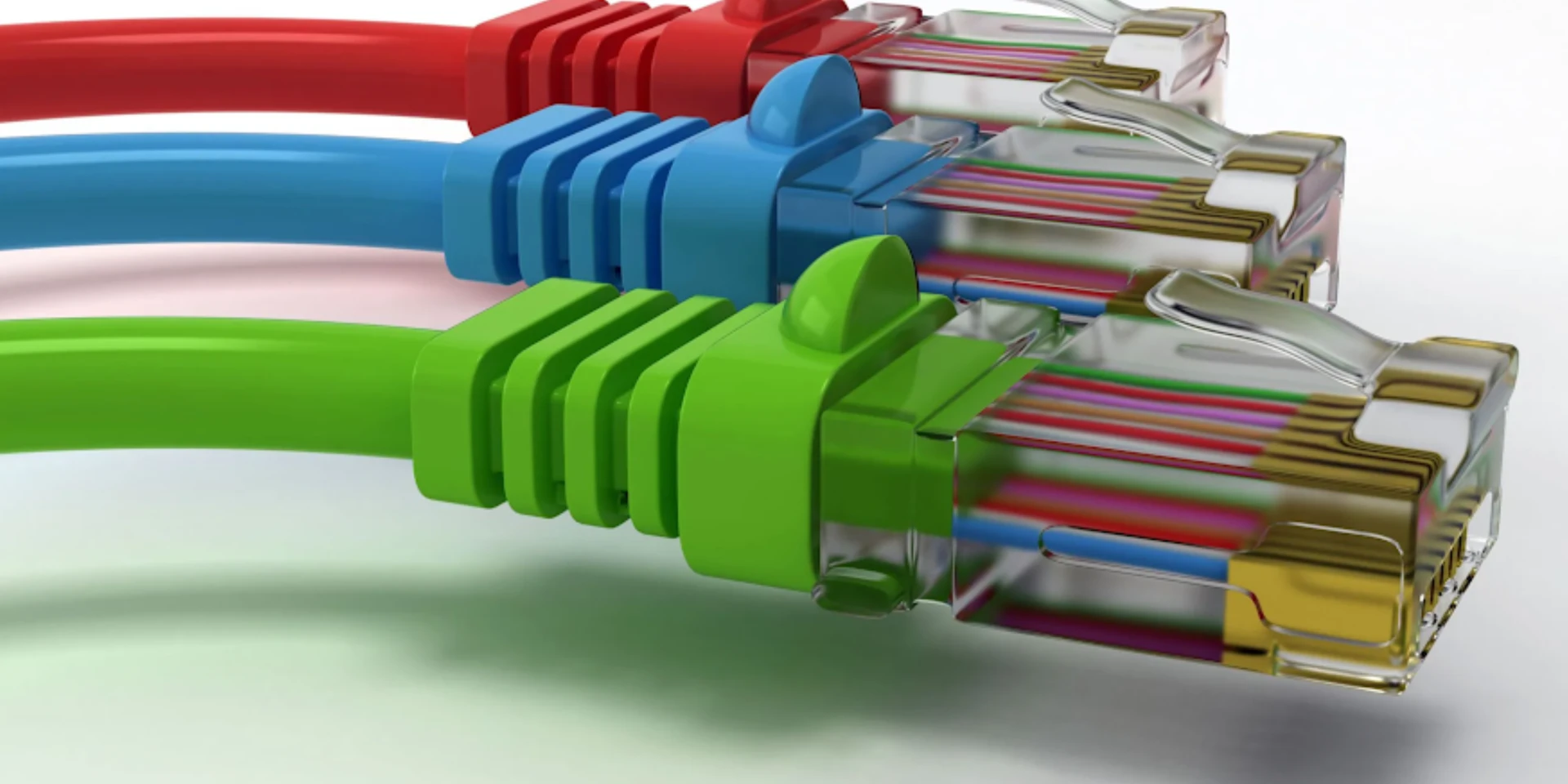

You might be amazed seeing how many daily tasks can be handled online. Staying connected is essential. Be it at home, school, or even work place, everyone needs networks to share information. Data cabling is the backbone of these networks, ensuring smooth & efficient communication. Each time we browse the internet, or just stream a video, data travels through cables and reaches the devices.
This blog will explore everything You need to know about data cabling, its meaning and importance, its benefits. We'll also explain the role of professional installation and maintenance in keeping your network fast and reliable.
Understanding Data Cabling
Data Cabling Services makes use of cables to send information between devices. These cables carry data signals. This allows computers, phones, & other gadgets to connect and share data. Think of it as highways for information within a network. If these cables are not appropriately managed, slower performance and interruptions will be observed in such networks. One might feel frustrated especially in offices where speedy communications are indeed necessary.
A well-structured cabling system helps keep everything running efficiently. There will be less downtime also improved performance for a seamless digital experience.
Common Types of Data Cables
There are many types of data cables, each with a unique role:
Twisted Pair Cables: Common in local area networks, these cables combine pairs of wires twisted together. This helps reduce interference.
Coaxial Cables: Used for cable television, they have a central conductor surrounded by insulation as well as shielding.
Benefits of Data Cabling
There are a lot of good things coming to you when you decide to get data cabling installation done. Below are the best of them.
1. Faster and More Reliable Internet Connection
- Wired connections offer higher speeds & lower latency compared to wireless networks.
- It ensures a stable connection. You will experience reduced interruptions during video calls, online gaming, as well as streaming.
- Ideal for businesses where fast and continuous access to the internet is needed for productivity.
2. Better Security
- Wired networks are more secure as compared to Wi-Fi. This makes it harder for hackers to intercept data.
- Essential for businesses who handle sensitive information all like customer data, financial transactions, as well as healthcare records.
- Helps protect against cyber threats all like hacking and unauthorized access.
3. Supports More Devices Efficiently
- Wi-Fi can slow down with multiple devices connected. Data cabling allows simultaneous connections without compromising speed.
- Ideal for offices, schools, & hospitals where multiple users need seamless internet access.
- Reduces network congestion and improves overall performance.
4. Cost-Effective in the Long Run
- Structured cabling requires an initial investment. However, it reduces maintenance as well as downtime costs over time.
- More durable and less prone to interference compared to wireless networks.
- Eliminates the need for frequent upgrades. You can have a peace of mind knowing it is a smart investment for your business.
5. Enhances Smart Home and Office Automation
- Supports several smart home systems. These are security cameras, automated lighting, as well as voice assistants.
- In offices, it connects security systems, access controls, and smart devices for better management.
- Provides a seamless integration between multiple IoT (Internet of Things) devices.
6. Ideal for Large-Scale Operations
- Businesses, universities, hospitals, along with factories require structured cabling so they can connect thousands of devices efficiently.
- Ensures smooth data transfer for servers, data centers, as well as cloud computing.
- Reduces signal interference, ensuring consistent performance across the network.
7. Future-Proofing Your Network
- Cables for data in modern times like fiber optic cables give support to very fast internet speeds. This makes networks prepared for progress in the coming times.
- As technology evolves, structured cabling ensures that your network can handle increased data demands.
Role of Professional Data Cabling Installation Services
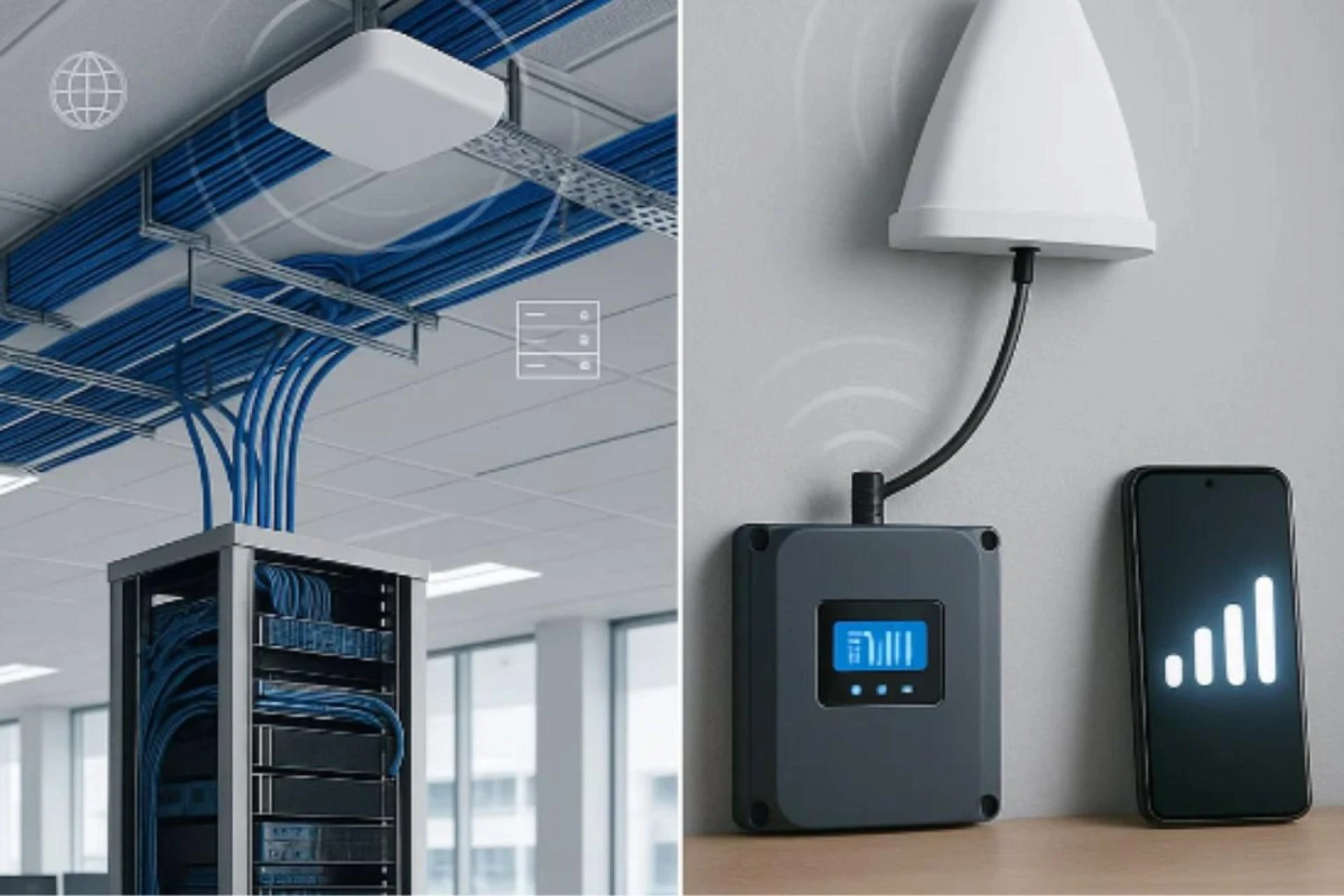
Data cabling services ensure seamless communication and efficient data transfer. Now, these services involve the design, installation, & maintenance of structured cabling systems. These serve as the backbone of your network infrastructure. A properly designed and installed cabling system provides fast, reliable, & scalable connectivity, supporting various applications. These comprise internet access, VoIP (Voice over Internet Protocol), video conferencing, and cloud computing.
Expert Tips For Maintaining Your Data Cabling System
Regular upkeep and monitoring of your cabling system are needed for smooth and uninterrupted network. Proper maintenance helps minimize downtime. Not just this, it improves performance, & prevents costly repairs or replacements.
1. Regular Inspections
Schedule periodic checks to identify and address potential issues before they escalate. Inspections should cover checking for wear, bends, or even physical damage. In addition, it must also include checking if the ports, jacks, & patch panels are secure and there is no interference or data loss.
2. Upgrades and Future-Proofing
Technology evolves rapidly. Outdated cables may affect network efficiency. Enhancements to more powerful cables can improve speed, bandwidth, and dependability. By making your cable infrastructure ready for the prospective trends helps in adapting increasing data needs and emerging technologies.
3. Proper Documentation
Maintain detailed records of your cabling layout, comprising:
- Cable routes and connection points
- Kinds of cables used
- Network configurations
Proper documentation simplifies both troubleshooting and future upgrades. This saves you good time and effort at times of routine maintenance.
Frequently Asked Questions Answered
1. Are there any particular standards for underground data cabling in Australia?
Yes. Australia follows strict guidelines for underground data cabling. The Australian Communications and Media Authority (ACMA) and AS/NZS 3080 set the standards for safe and efficient installations.
2. What steps should I follow for data cable installation?
Here are the key steps:
- Plan the cabling layout depending on your network needs.
- Decide the right cable type (twisted pair, coaxial, or fiber optic).
- Install conduits or pathways for safe cable routing.
- Test connections to ensure they work correctly.
Label along side document your setup for future use. Generally, in Australia, electricians charge nearly around $100 and $200 per cable point. This cost covers materials as well as labor.
4. How long does data cabling last?
If cabling is good-quality, it can last for about 20 years. Do note its lifespan depends on environmental conditions as well as proper maintenance.
5. Can I install data cabling myself?
You can easily install basic cabling yourself. But, professional installation ensures compliance with regulations & prevents connection failures.
Conclusion
Data cabling is an important part of our daily lives. It provides fast speeds, enhanced security, better scalability, and also cost efficiency. This makes it the best choice for both residential & commercial use. Whether for home networking, business operations, smart automation, or large-scale industries, investing in structured cabling ensures long-term reliability and superior performance.


























Sign in to leave a comment.