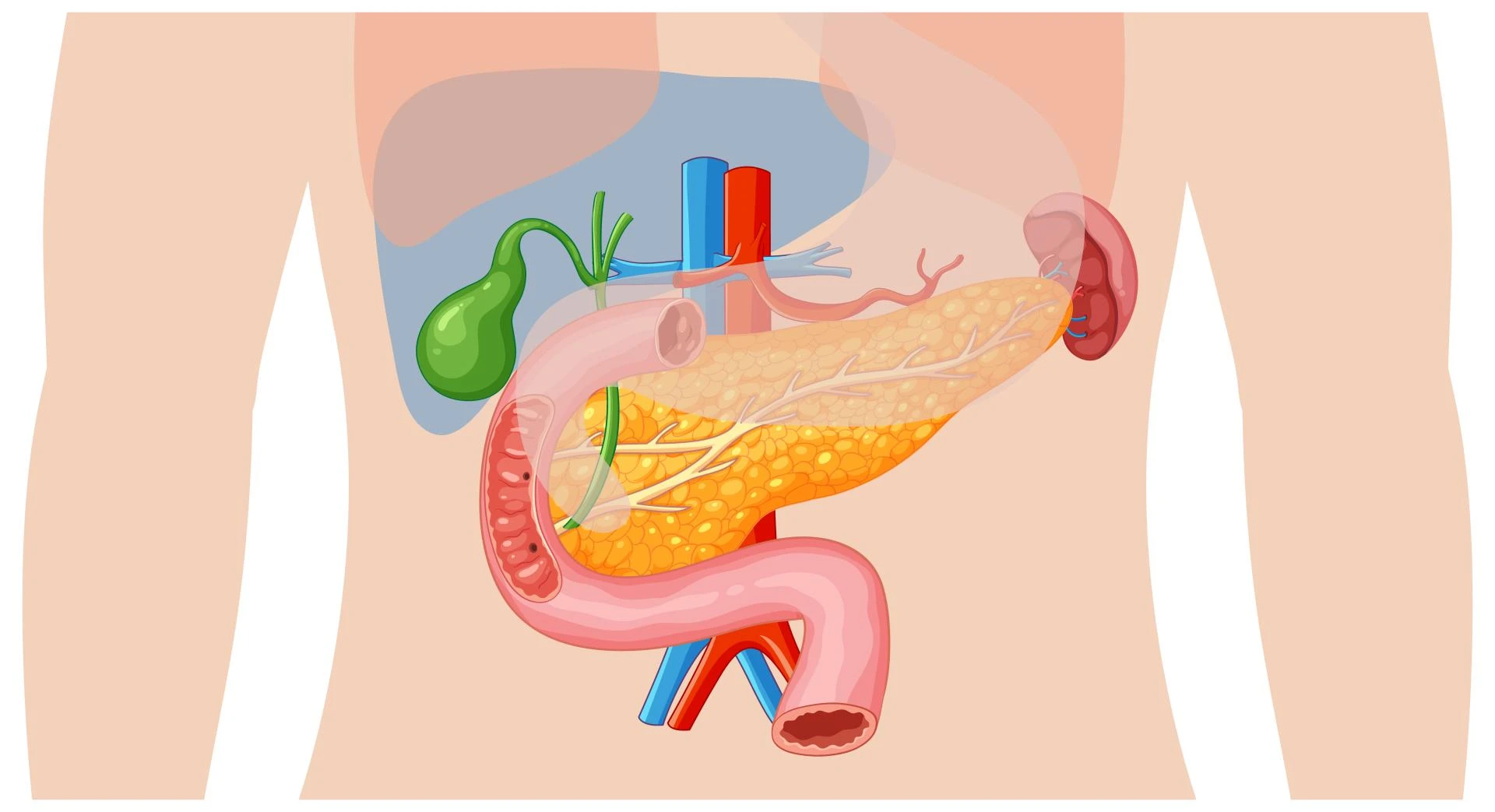

The gall bladder and biliary tract are important parts of the digestive system. They help store and transport bile, which is essential for digesting fats. When these organs are affected by stones, infection, blockage, or tumors, surgery often becomes the most effective treatment. Gall bladder & biliary tract surgery is performed to relieve pain, restore bile flow, and prevent serious complications, helping patients regain digestive comfort and overall well-being.
What Is Gall Bladder & Biliary Tract Surgery?
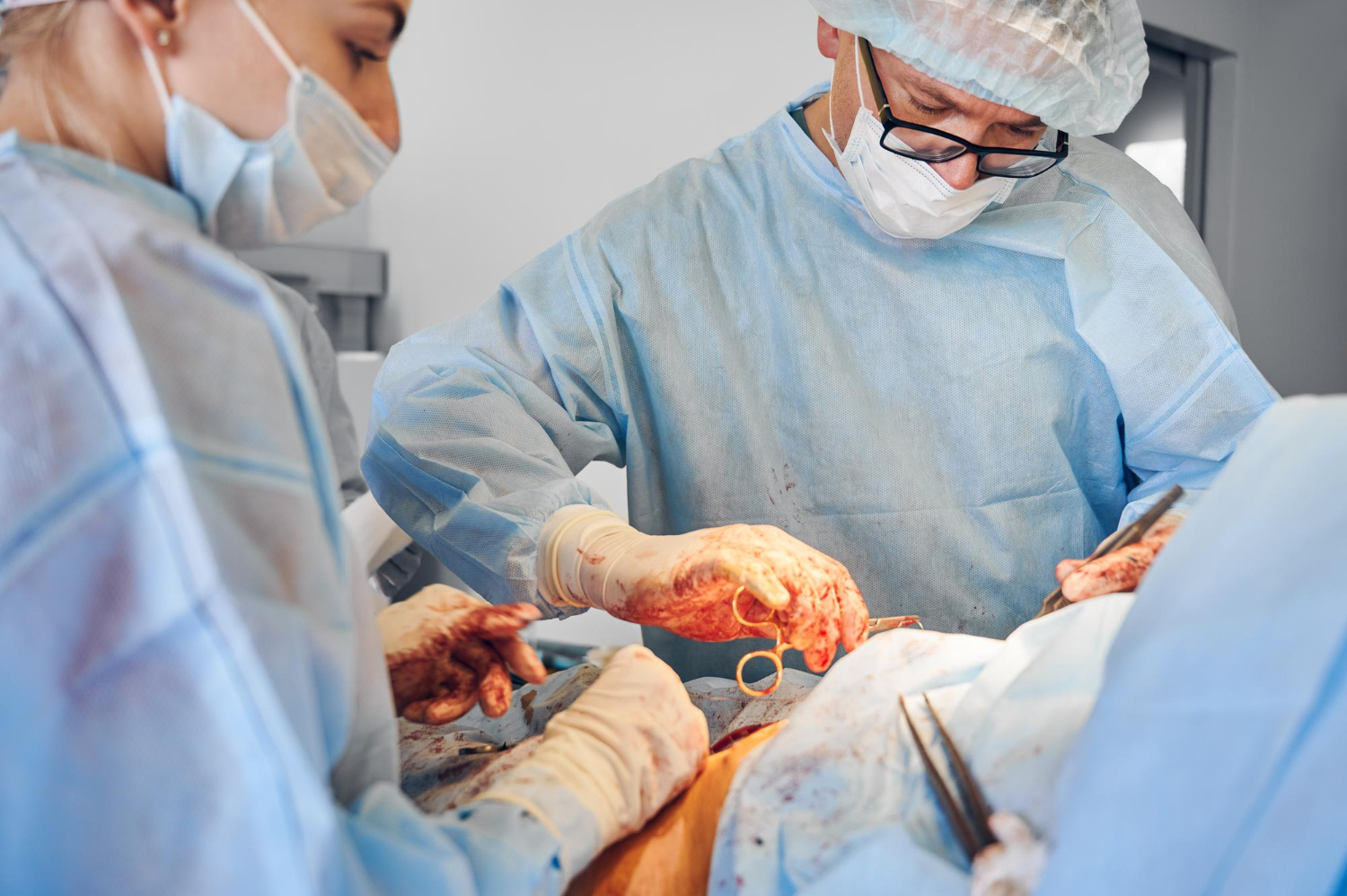
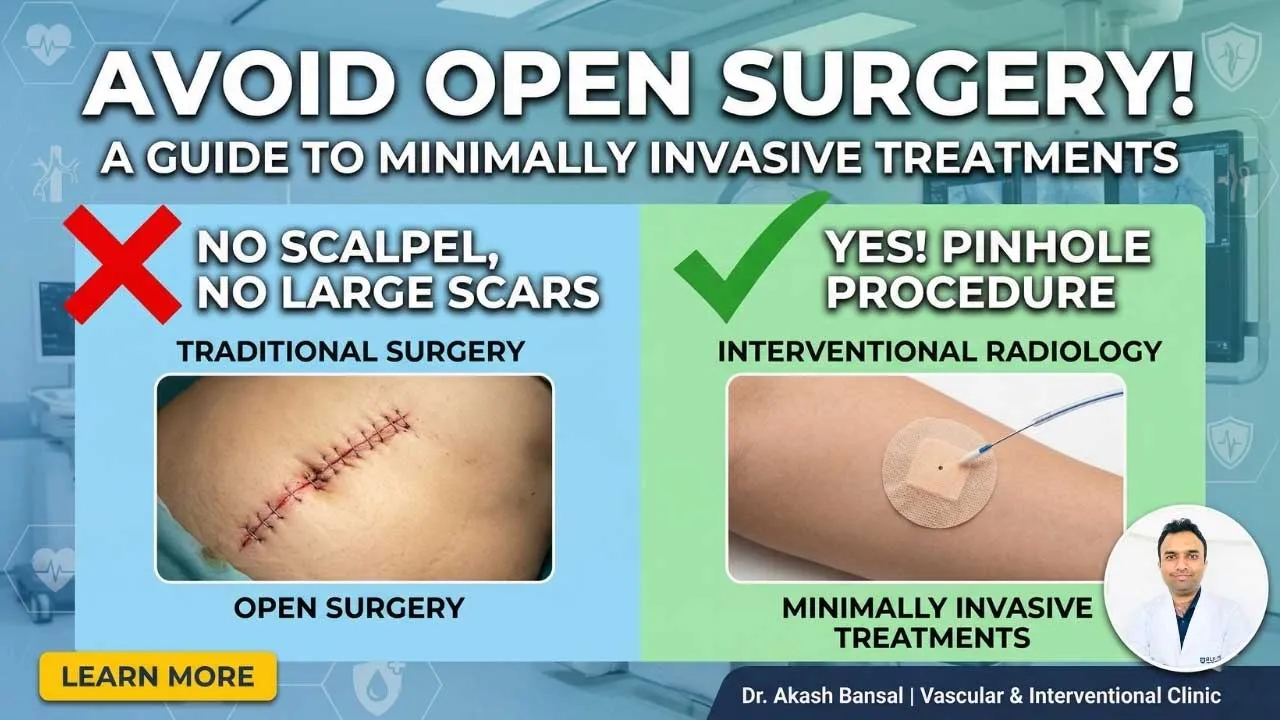
Gall bladder & biliary tract surgery includes procedures to remove the diseased gall bladder or correct problems within the biliary system. These surgeries are commonly performed using minimally invasive techniques, which help reduce pain, scarring, and recovery time. Today, advanced gall bladder and biliary tract procedures offer safer outcomes, better precision, and quicker healing compared to traditional open surgery.
Conditions That May Require Surgery
Surgery is usually recommended for:
- Painful gallstones
- Recurrent gall bladder infections (cholecystitis)
- Blockage or narrowing of the biliary tract
- Stones within the biliary system
- Gall bladder polyps or tumors
- Repeated episodes of pancreatitis caused by gallstones
In such cases, timely surgical intervention helps prevent complications like severe infection, liver damage, and pancreatic problems.
Types of Surgical Procedures
Depending on the diagnosis and severity, the surgeon may recommend:
- Laparoscopic cholecystectomy – minimally invasive gall bladder removal
- Open gall bladder surgery – for complicated cases
- Corrective biliary tract surgery
- Minimally invasive biliary tract procedures
These modern techniques are widely preferred for best gall bladder & biliary tract surgery, as they offer smaller incisions, less discomfort, and faster recovery.
Possible Risks & Complications
Like any surgical procedure, gall bladder and biliary tract surgery may carry some risks, such as:
- Bleeding
- Infection
- Bile leakage
- Injury to nearby organs
- Blood clots
- Temporary digestive discomfort
However, when performed by an experienced surgeon, these risks are significantly minimized, and outcomes are generally very positive.
Recovery After Surgery
Most patients recover quickly, especially after laparoscopic procedures. Recovery typically includes:
- Short hospital stay
- Gradual return to a normal diet
- Light physical activity
- Regular follow-ups
With proper care and guidance, patients can return to daily activities within a few days and enjoy long-term digestive comfort.
Looking for Expert Surgical Care for Gall Bladder & Biliary Tract Problems?
Choosing the right specialist plays a vital role in successful treatment. Patients seeking best gall bladder & biliary tract surgery often consult Dr. Ajay Yadav, a highly experienced Best Gastrosurgeon in Lucknow, known for his expertise in advanced laparoscopic and minimally invasive procedures. His patient-focused approach, precision-driven techniques, and comprehensive care help ensure safer surgery, minimal complications, and faster recovery.
Conclusion
Gall bladder and biliary tract disorders can affect daily comfort and overall health. Understanding the procedure, risks, and recovery process helps patients make informed treatment decisions. With timely diagnosis and expert surgical care, long-term relief and improved quality of life are achievable. Consulting an experienced specialist ensures safe treatment, advanced care, and lasting results.




























Sign in to leave a comment.