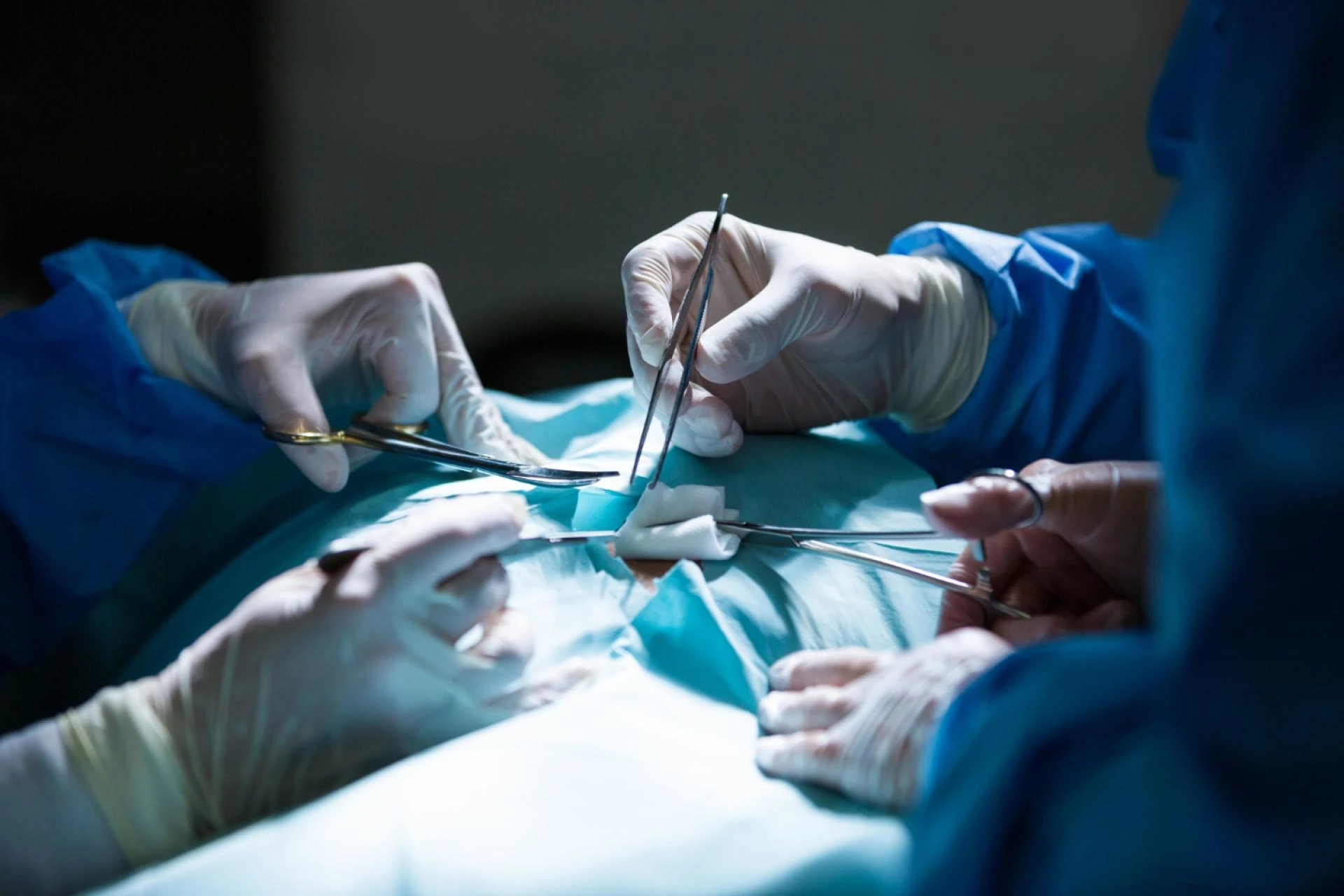

Colorectal surgery focuses on treating diseases of the colon, rectum, and anus that can significantly affect digestion, bowel habits, and overall quality of life. Conditions involving this part of the digestive system often progress quietly, and when symptoms become persistent or severe, surgical treatment may be required. With advances in medical technology, colorectal surgery today is safer, more precise, and associated with faster recovery than in the past.
What Is Colorectal Surgery?
Colorectal surgery involves surgical procedures used to diagnose and treat disorders of the large intestine and rectum. Depending on the condition, surgery may be performed using traditional open techniques or minimally invasive methods such as laparoscopy. Modern approaches aim to remove or repair diseased tissue while preserving normal bowel function as much as possible.
Conditions Treated with Colorectal Surgery
Colorectal surgery is commonly recommended for a range of conditions, including:
- Piles (hemorrhoids)
- Anal fissures and fistulas
- Colorectal polyps
- Inflammatory bowel diseases
- Diverticular disease
- Colorectal cancer
- Chronic constipation or bowel obstruction
Early evaluation helps determine whether medical management is sufficient or if surgical intervention is necessary.
Common Colorectal Surgery Procedures
The type of surgery depends on the underlying condition and its severity. Common procedures include:
- Hemorrhoidectomy and minimally invasive piles treatment
- Fistula and fissure repair
- Polyp removal
- Partial or complete removal of affected sections of the colon or rectum
- Laparoscopic colorectal surgery for reduced pain and quicker healing
Minimally invasive techniques are increasingly preferred as they result in smaller incisions, less discomfort, and shorter hospital stays.
Recovery After Colorectal Surgery
Recovery varies based on the procedure performed and the patient’s overall health. Most patients experience gradual improvement in bowel function and comfort over time. Post-operative care typically includes pain management, dietary guidance, early mobilization, and regular follow-up visits.
With proper care and adherence to medical advice, many patients return to normal activities within a few weeks, especially after minimally invasive colorectal surgery.
Choosing the Right Specialist
The success of colorectal surgery largely depends on the surgeon’s experience and clinical expertise. Patients often seek care from a Best Gastrosurgeon in Lucknow who has extensive experience in managing complex colorectal conditions. Dr. Ajay Yadav is known for his patient-focused approach and experience in advanced gastrointestinal and colorectal procedures. His emphasis on accurate diagnosis, careful surgical planning, and modern techniques supports better recovery and long-term outcomes.
Conclusion
Colorectal surgery plays a vital role in treating conditions that significantly impact digestive health and daily comfort. With timely diagnosis, modern surgical techniques, and expert care, patients can achieve effective relief and improved quality of life. Consulting an experienced specialist ensures that treatment is safe, personalized, and aligned with the best possible outcomes.



























Sign in to leave a comment.