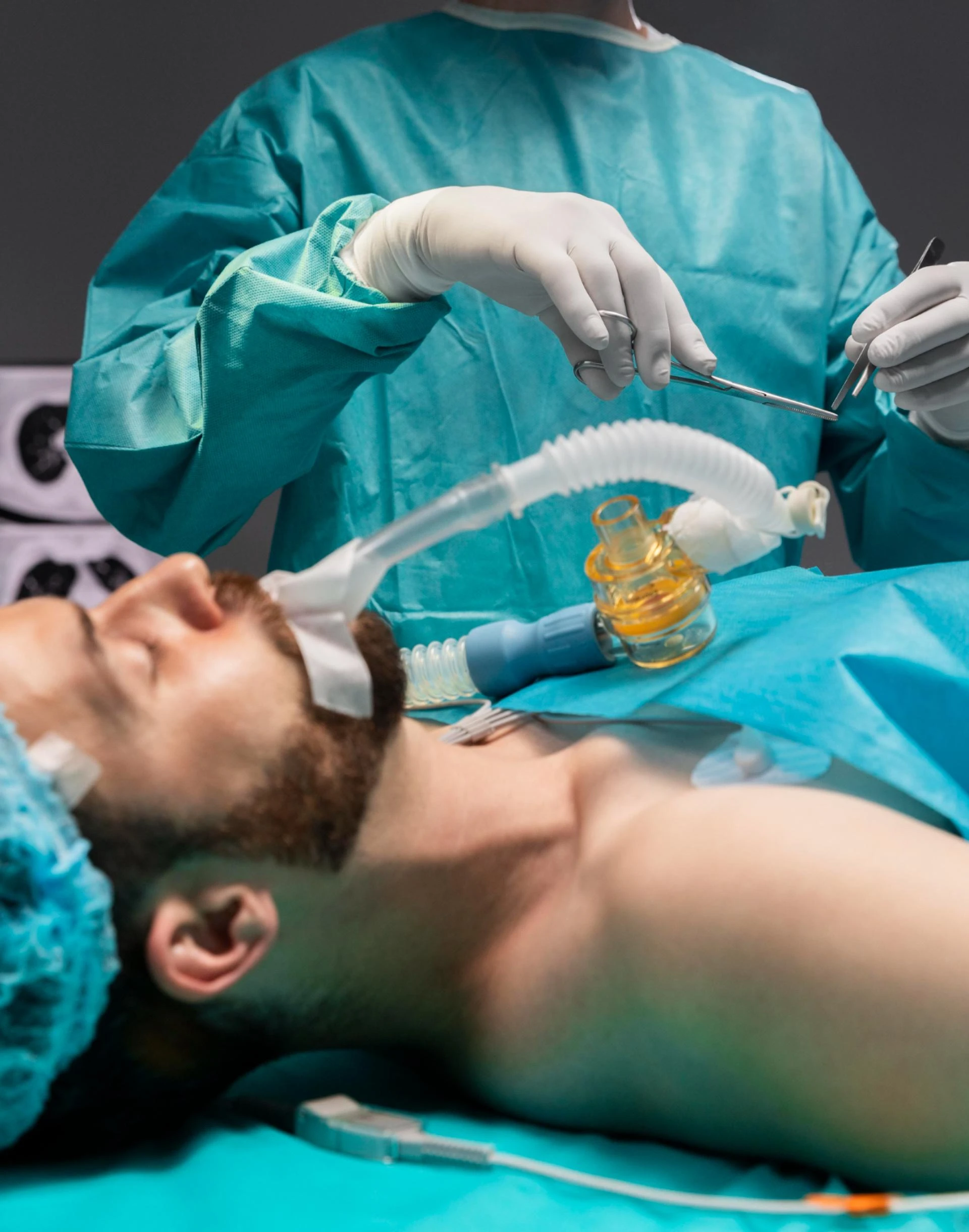

Best esophageal surgery today focuses on restoring normal swallowing and digestive function through modern, minimally invasive techniques. The esophagus, or food pipe, plays a vital role in transporting food from the mouth to the stomach, and any serious disorder in this organ can significantly affect nutrition, comfort, and overall health. When medication or lifestyle changes are not enough, esophageal surgery becomes necessary to correct the problem, relieve symptoms, and improve quality of life.
Understanding the Esophagus and Its Disorders
The esophagus is a muscular tube that helps move food and liquids into the stomach. Problems in this organ can develop due to chronic acid reflux, inflammation, infections, tumors, or structural abnormalities. While mild conditions can often be managed with medicines and diet changes, advanced or persistent problems may require surgical treatment.
Common esophageal conditions include:
- Gastroesophageal reflux disease (GERD)
- Esophageal stricture (narrowing of the food pipe)
- Achalasia (difficulty swallowing due to muscle dysfunction)
- Esophageal cancer
- Esophageal tears or injuries
Early diagnosis plays an important role in preventing complications and ensuring better treatment outcomes.
What Is Esophageal Surgery?
Esophageal surgery refers to procedures performed to repair, reconstruct, or remove part or all of the esophagus when disease or damage affects its normal function. Depending on the condition, surgeons may use traditional open surgery or modern minimally invasive techniques such as laparoscopic or robotic surgery.
These advanced approaches aim to reduce pain, minimize complications, and support faster recovery.
When Is Esophageal Surgery Needed?
Doctors may recommend surgery in the following situations:
- Severe acid reflux that does not improve with medication
- Persistent difficulty swallowing
- Esophageal cancer or precancerous changes
- Recurrent strictures that keep narrowing
- Structural damage or traumatic injury
The exact procedure depends on the patient’s condition, overall health, and stage of disease.
Types of Esophageal Surgery
Some commonly performed procedures include:
- Fundoplication for severe GERD
- Esophagectomy (removal of diseased portion of the esophagus) in cancer cases
- Myotomy for achalasia
- Repair of perforations or tears in the esophagus
Minimally invasive techniques are increasingly preferred because they involve smaller incisions, less blood loss, and quicker healing compared to open surgery.
Recovery After Esophageal Surgery
Recovery varies depending on the type of surgery performed and the patient’s condition. Most patients need a gradual diet plan, starting with liquids and slowly progressing to soft and then normal foods. Pain control, breathing exercises, and regular follow-up visits are essential for smooth recovery.
With proper care, many patients experience significant improvement in swallowing, digestion, and overall well-being.
Choosing the Right Specialist
The success of esophageal surgery depends greatly on the surgeon’s skill and experience. Patients seeking safe and effective treatment often look for a Best Gastrosurgeon in Lucknow who specializes in complex gastrointestinal and esophageal procedures. Dr. Ajay Yadav is recognized for his expertise in advanced gastrointestinal and minimally invasive surgeries, focusing on accurate diagnosis, careful planning, and patient-centered care. His approach helps patients achieve better surgical outcomes and faster recovery.
Conclusion
Esophageal surgery plays a crucial role in treating serious disorders of the food pipe that cannot be managed with medication alone. With modern surgical techniques and expert care, patients today can benefit from safer procedures, reduced discomfort, and faster healing. Consulting an experienced specialist ensures proper treatment and a better quality of life.


























Sign in to leave a comment.