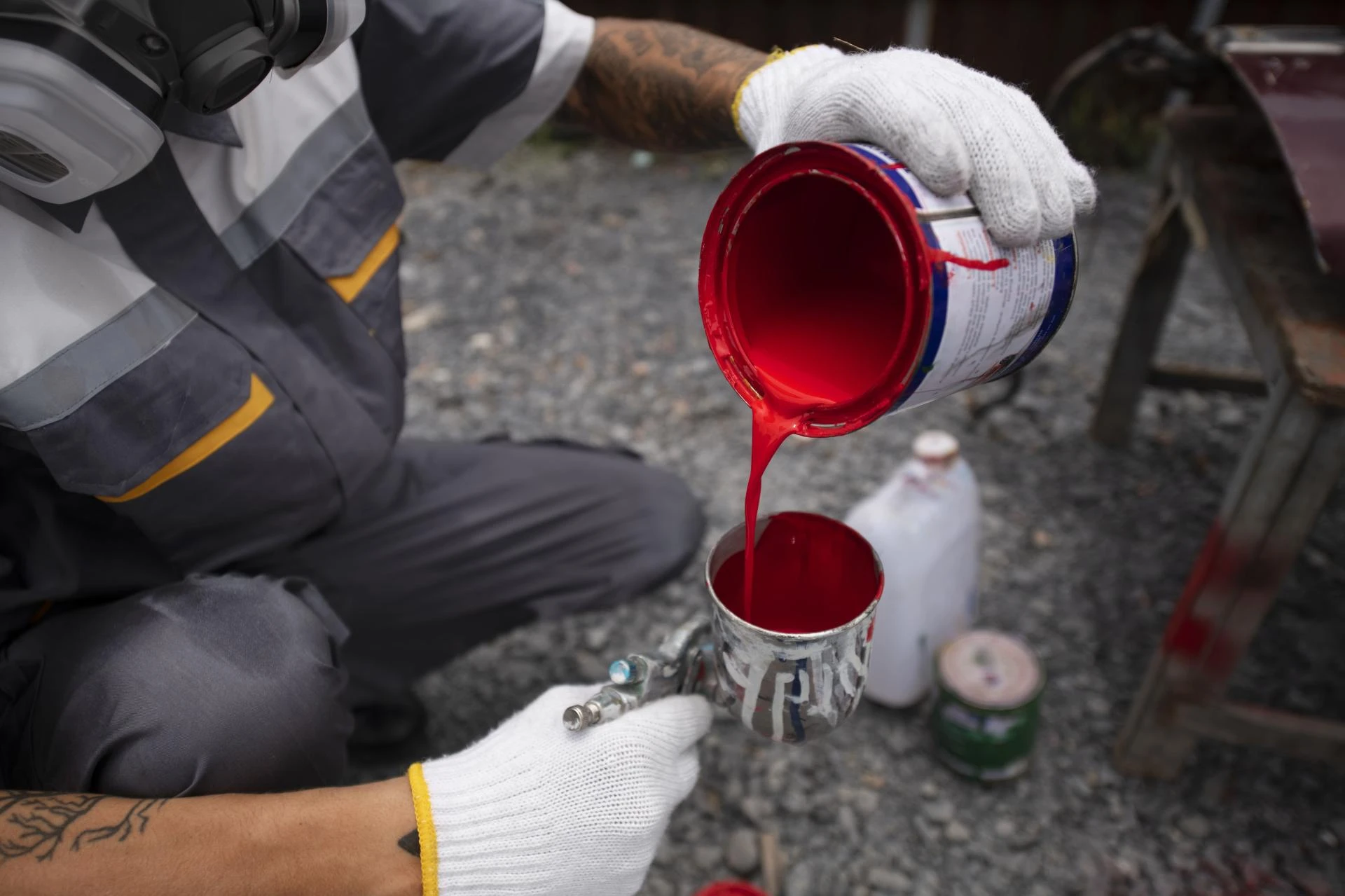

When it comes to protecting surfaces and enhancing durability, not all paints are created equal. If you're in manufacturing, construction, or heavy industry, choosing the right coating can significantly impact performance and longevity. This is where industrial paint Kenya becomes essential.
In this guide, we’ll break down what industrial paint is, how it differs from regular paint, and why businesses across Kenya are increasingly relying on it for superior protection and efficiency.
What Is Industrial Paint?
Industrial paint refers to specialized coatings designed to protect surfaces exposed to harsh environments. Unlike decorative paints, these coatings are engineered for performance, durability, and resistance.
They are commonly used on:
- Steel structures
- Machinery and equipment
- Pipelines and tanks
- Marine and offshore installations
Industrial paints are formulated to withstand extreme conditions such as heat, moisture, chemicals, and abrasion. According to industry estimates, high-performance coatings can extend the lifespan of industrial assets by up to 10–15 years, reducing maintenance costs significantly.
What Is Regular Paint?
Regular paint, often referred to as decorative or architectural paint, is primarily used for aesthetic purposes. It is designed for:
- Homes and offices
- Interior and exterior walls
- Furniture and décor
While it does provide some level of protection, its main goal is appearance rather than durability under extreme conditions.
Key Differences Between Industrial Paint and Regular Paint
1. Purpose and Application
- Industrial Paint: Built for protection and performance in demanding environments.
- Regular Paint: Focused on aesthetics and basic surface protection.
2. Durability and Strength
Industrial coatings are designed to resist:
- Corrosion
- Chemicals
- UV radiation
- Mechanical wear
Regular paint, on the other hand, may degrade quickly when exposed to these elements.
3. Composition and Technology
Industrial paints often contain advanced resins such as:
- Epoxy
- Polyurethane
- Zinc-rich coatings
These formulations create a stronger bond and protective layer compared to standard paints.
4. Cost vs. Value
While industrial paint may have a higher upfront cost, it offers better long-term value. Businesses in Kenya save significantly on repairs and repainting due to its extended lifespan.
5. Application Process
Industrial coatings usually require:
- Surface preparation (sandblasting, priming)
- Skilled application
- Controlled environments
Regular paint can be applied with minimal preparation and basic tools.
Why Industrial Paint Matters in Kenya
Kenya’s climate presents unique challenges, including high humidity, coastal salt exposure, and intense UV radiation. These conditions accelerate corrosion and material degradation.
Using industrial paint Kenya solutions helps:
- Protect infrastructure from rust and damage
- Extend the life of equipment and buildings
- Improve safety in industrial operations
For example, industries in coastal regions like Mombasa rely heavily on anti-corrosion coatings to combat saltwater exposure.
Common Types of Industrial Paint
Epoxy Coatings
Highly resistant to chemicals and abrasion, ideal for factories and warehouses.
Polyurethane Coatings
Known for UV resistance and durability, commonly used for outdoor structures.
Zinc-Rich Coatings
Provide excellent corrosion protection for steel surfaces.
Heat-Resistant Paints
Designed for high-temperature environments such as engines and pipelines.
How to Choose the Right Industrial Paint in Kenya
Selecting the right coating depends on several factors:
- Environmental conditions (humidity, temperature, exposure)
- Type of surface (metal, concrete, wood)
- Industry requirements (marine, construction, manufacturing)
Working with a reliable supplier ensures you get the right formulation tailored to your specific needs.
Final Thoughts
Understanding the difference between industrial and regular paint is crucial for making informed decisions. While regular paint may work for homes and offices, industrial applications demand coatings that can withstand extreme conditions and deliver long-term performance.
If you’re looking to protect your assets, improve durability, and reduce maintenance costs, investing in industrial paint in Kenya is a smart move.


























Sign in to leave a comment.