
If you're a heavy equipment owner, mechanic, or enthusiast wondering what is inside an OEM service manual, you're in the right place. OEM (Original Equipment Manufacturer) service manuals are essential resources packed with factory-accurate information to help you maintain, troubleshoot, and repair machinery like excavators, loaders, tractors, and dozers. These detailed guides go far beyond basic operator instructions, providing the in-depth knowledge needed to keep equipment running efficiently and safely. In this full breakdown, we'll explore exactly what you'll find inside a typical OEM service manual for heavy equipment brands such as Caterpillar, John Deere, Komatsu, and more.
Whether you're dealing with routine maintenance or complex repairs, understanding the contents of an OEM service manual can save you time, money, and headaches. Let's dive in!
Table of Contents
- What Makes an OEM Service Manual Different from Other Guides?
- General Information and Safety Precautions
- Specifications and Torque Values
- Engine Systems Breakdown
- Hydraulic and Electrical Systems
- Maintenance Schedules and Procedures
- Troubleshooting and Diagnostics
- Disassembly, Repair, and Reassembly Instructions
- Diagrams, Illustrations, and Indexes
- Why Buyers Need This Detailed Information
What Makes an OEM Service Manual Different from Other Guides?
OEM service manuals stand out because they're created by the manufacturer specifically for technicians and advanced users. Unlike operator's manuals (which focus on daily use and basic safety) or parts catalogs (which list components for ordering), service manuals provide comprehensive repair guidance.
Key Differences:
- Depth of Information: Step-by-step repair procedures with warnings for potential hazards.
- Accuracy: Based on factory testing and engineering data—no guesswork.
- Target Audience: Ideal for mechanics performing in-depth work, not just operators.
For example, brands like Caterpillar and Komatsu include model-specific details that generic guides can't match.
General Information and Safety Precautions
Every OEM service manual starts with foundational sections to set the stage for safe and effective work.
Common Elements:
- Model and Serial Number Identification: How to locate your equipment's unique identifiers for accurate referencing.
- Safety Warnings: Critical alerts about high-pressure systems, heavy components, and electrical risks.
- Tool Recommendations: Lists of special tools required, like diagnostic scanners or lifting equipment.
Why It Matters:
These sections prevent accidents and ensure you're using the right procedures from the start.
Specifications and Torque Values
Precision is key in heavy equipment repairs, and this section provides exact measurements.
What's Included:
- Technical Specs: Engine horsepower, fluid capacities, pressures, and tolerances.
- Torque Charts: Bolt tightening sequences and values to avoid over- or under-tightening.
- Clearances and Adjustments: Wear limits for components like bearings and pistons.
Examples:
In a Volvo service manual, you'll find precise hydraulic pump specs; for John Deere models, detailed transmission tolerances.
Engine Systems Breakdown
The engine is the heart of your machine, and OEM manuals dedicate extensive coverage here.
Typical Subsections:
- Fuel System: Injection timing, filters, and pump adjustments.
- Cooling System: Radiator maintenance, thermostat testing, and coolant specs.
- Lubrication: Oil change intervals, filter types, and circulation diagrams.
Additional Coverage:
- Air intake and exhaust systems.
- Turbocharger (if equipped) diagnostics.
Mechanics rely on this for issues like overheating or power loss in brands like Case IH.
Hydraulic and Electrical Systems
Modern heavy equipment relies heavily on hydraulics and electronics—these sections are goldmines for troubleshooting.
Hydraulic Systems:
- Pump, valve, and cylinder disassembly.
- Pressure testing procedures.
- Hose routing diagrams.
Electrical Systems:
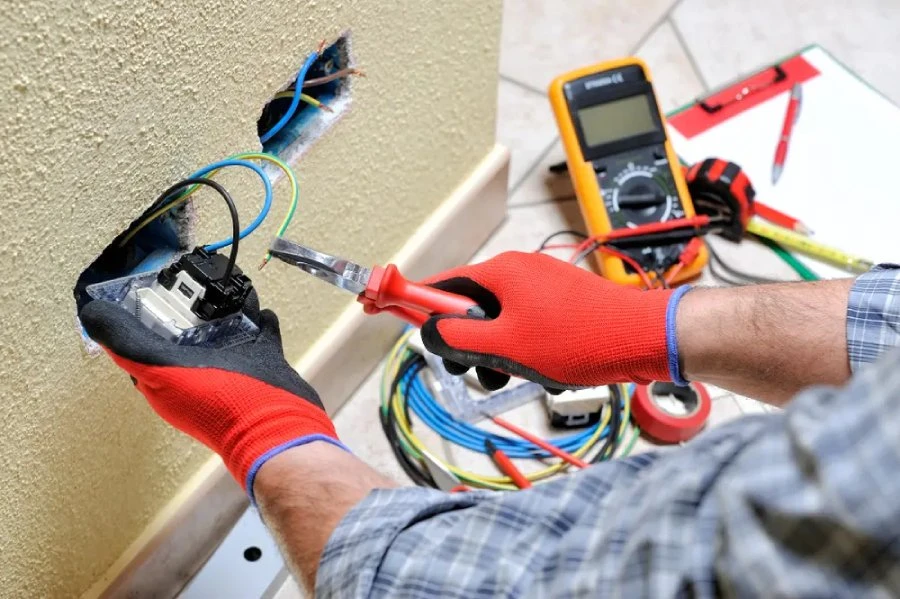
- Wiring schematics and harness layouts.
- Sensor locations and testing.
- Battery, alternator, and starter repairs.
For instance, New Holland Construction manuals include detailed boom and bucket hydraulic flows.
Maintenance Schedules and Procedures
Preventive maintenance extends equipment life, and manuals outline it clearly.
Key Features:
- Interval-Based Schedules: Daily, 500-hour, 1000-hour checks.
- Fluid and Filter Changes: Step-by-step with quantities.
- Inspection Checklists: Tracks, undercarriage, and attachments.
Benefits:
Following these reduces downtime—essential for owners of Kubota or JCB machinery.
Troubleshooting and Diagnostics
When something goes wrong, this section helps pinpoint the issue fast.
Common Tools:
- Symptom-Based Charts: "No start" leads to fuel, battery, or starter checks.
- Error Code Interpretation: For electronic controls.
- Testing Procedures: Using multimeters or pressure gauges.
Enthusiasts love this for quick fixes on Hyundai excavators or Perkins-powered engines.
Disassembly, Repair, and Reassembly Instructions
The core of any service manual—detailed repair guides.
Step-by-Step Coverage:
- Removal and Installation: Major components like transmissions or final drives.
- Overhaul Procedures: Engine rebuilds, with measurements and part inspections.
- Special Notes: Alignment tips or sealing techniques.
Clear photos and exploded views make complex jobs manageable.
Diagrams, Illustrations, and Indexes
Visual aids bring everything together.
Highlights:
- Exploded Views: Part relationships for assembly.
- Schematics: Hydraulic circuits, electrical diagrams.
- Cross-References: Easy navigation via indexes.
These high-quality illustrations are a hallmark of OEM manuals from brands like Yanmar.
Why Buyers Need This Detailed Information
Investing in an OEM service manual empowers you to handle repairs in-house, cutting costs and downtime. For heavy equipment mechanics and owners, it's a must-have for safety, accuracy, and longevity.
Conclusion
Now that you know what is inside an OEM service manual—from safety precautions and specs to in-depth repairs and diagrams—you can see why it's invaluable for anyone working with heavy machinery. These manuals provide the factory-backed details needed to keep your equipment performing at its best, whether it's a Caterpillar dozer or a Komatsu loader.
Ready to get your hands on authentic OEM service manuals? Check out the extensive collection at Manualskart.com, where you'll find affordable PDFs for all major brands with instant downloads and clear diagrams.
FAQ
What is the difference between an OEM service manual and an operator's manual?
Operator's manuals cover basic operation and daily checks, while OEM service manuals focus on advanced repairs, diagnostics, and maintenance for technicians.
Are diagrams in OEM service manuals detailed enough for complex repairs?
Yes—most include exploded views, schematics, and high-resolution illustrations to guide disassembly and reassembly accurately.
Can I use one service manual for multiple models?
No, manuals are model- and serial-number specific for precision. Always match to your equipment.
Do service manuals include parts numbers?
Some reference them, but dedicated parts catalogs (often separate) provide full listings.
Is it worth buying an OEM service manual for older equipment?
Absolutely—many cover legacy models with timeless repair info, like those for vintage Case Construction machines.



















Sign in to leave a comment.