
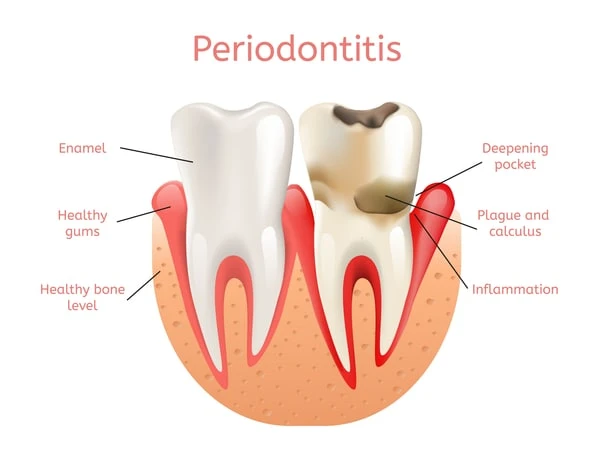
Periodontal disease treatment is a specialized dental procedure focused on managing and restoring the health of the gums and supporting structures of the teeth. It uses methods including extensive cleaning (scaling and root planing), medicine, and in more extreme situations, surgery to get rid of the infection, replace damaged tissue, and stop more damage.
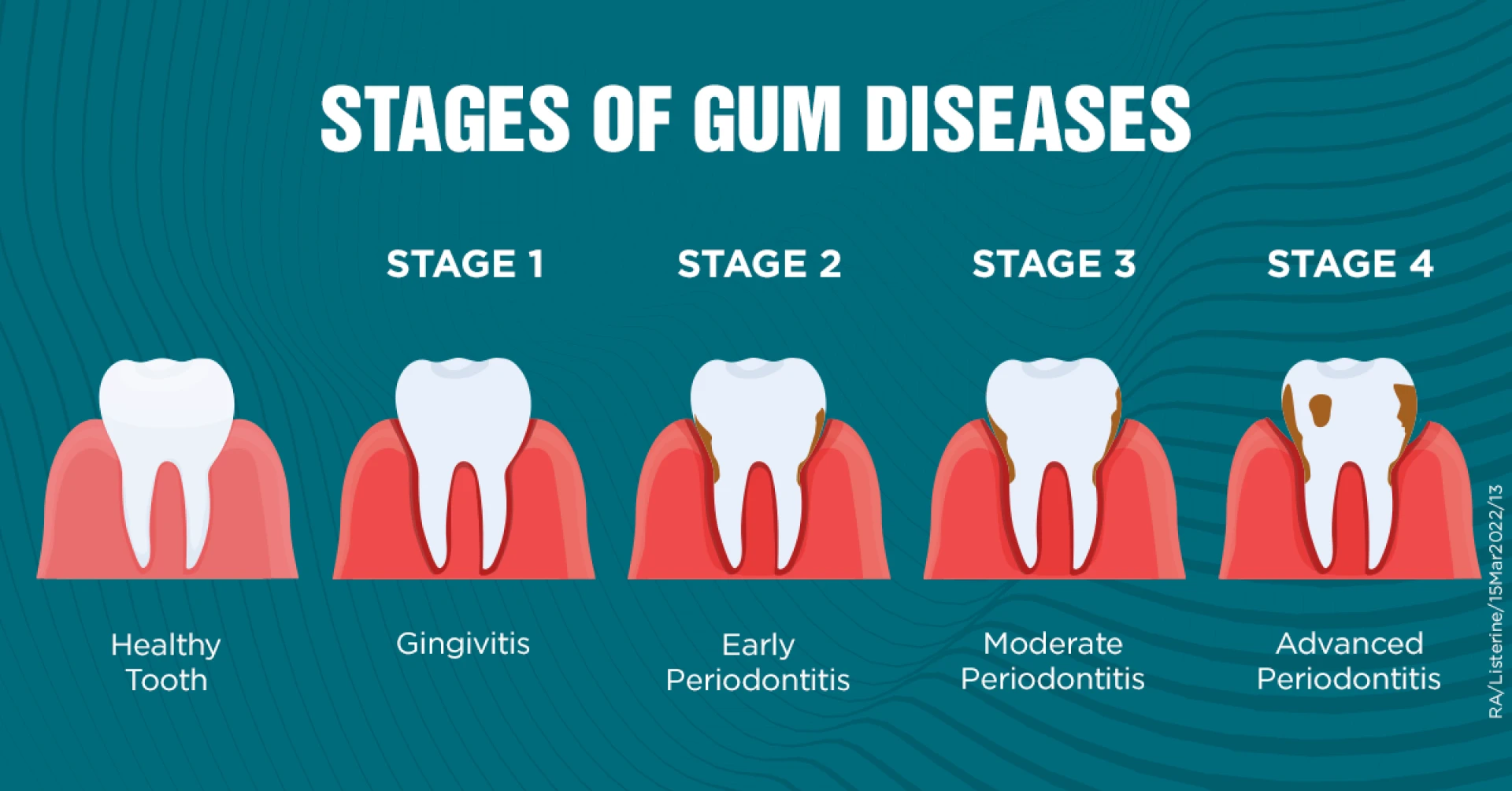
Understanding Periodontal Disease Treatment
Treatment for periodontal disease consists of a number of expert dental operations and continuing maintenance plans intended to reduce infection, fix damage, and stop the illness from getting worse. Restoring gum health, fortifying supporting tissues, and upholding general oral hygiene are the objectives.
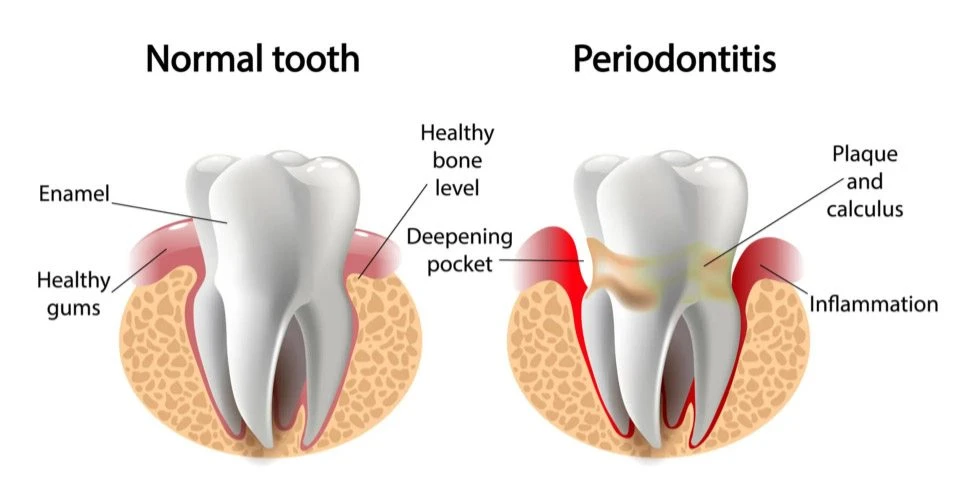
Types of Periodontal Disease Treatments
1. Non-Surgical Treatments
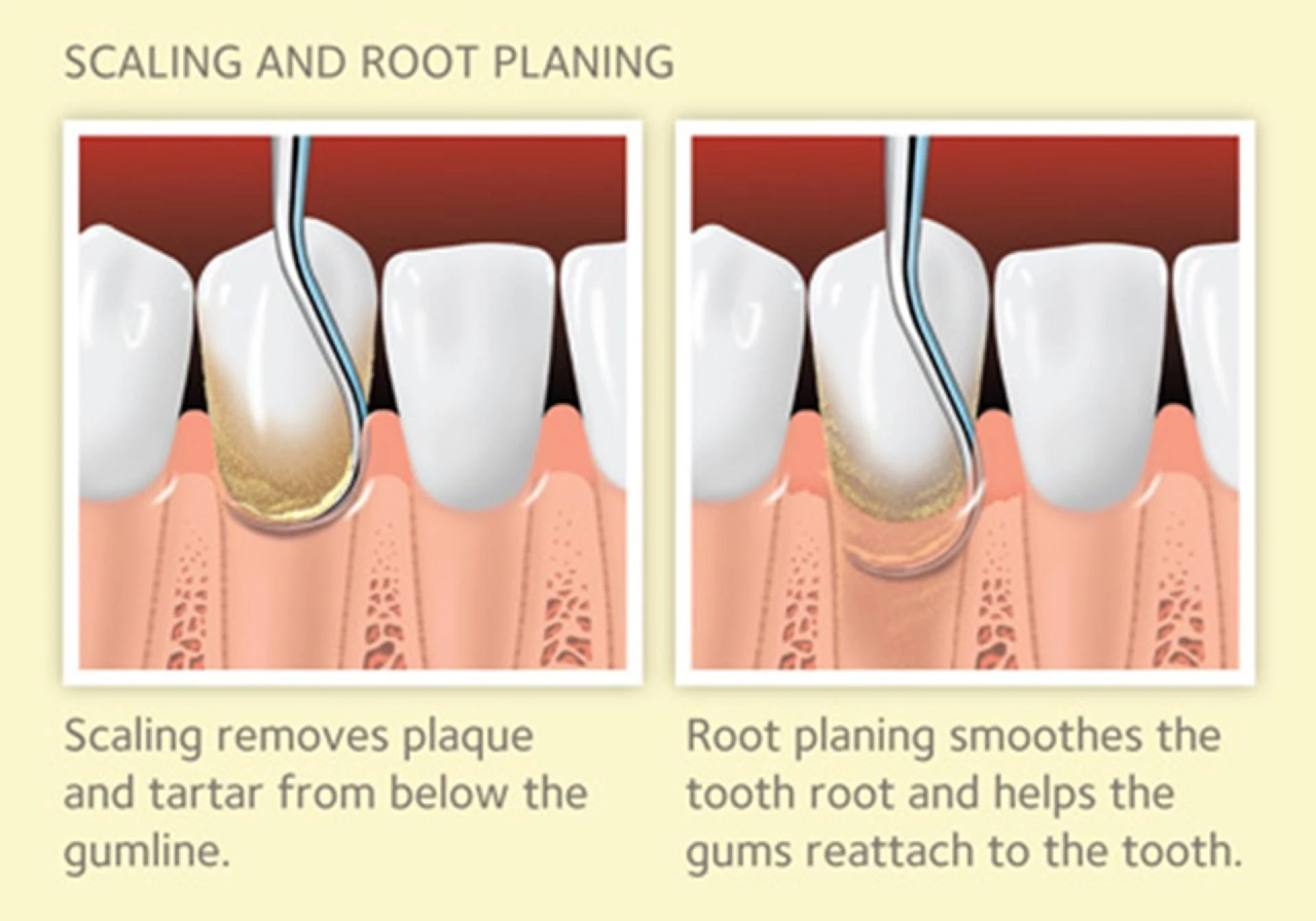
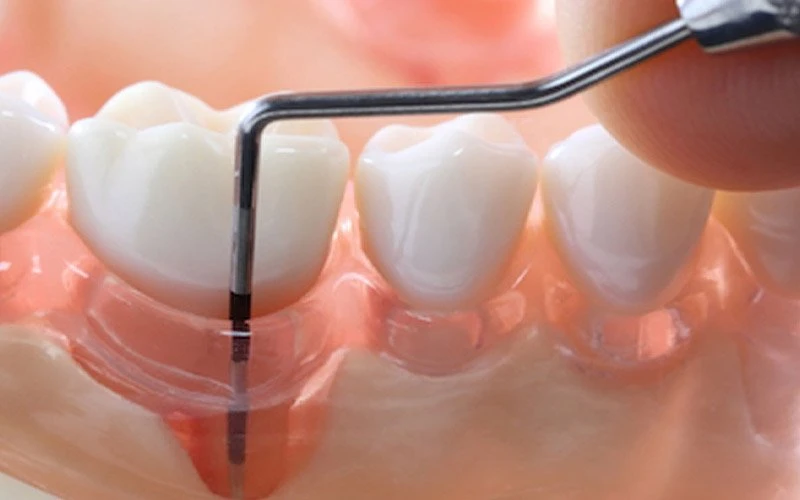
- Scaling and Root Planing (Deep Cleaning): The most popular non-surgical treatment is this one. In order to stop germs from reattaching, dentists polish the root surfaces and remove plaque and tartar from beneath the gum line.
- Antibiotic Therapy: To lessen infection and inflammation, doctors may prescribe oral or topical antibiotics.
2. Surgical Treatments
If the disease has advanced, surgery may be necessary:
- Flap Surgery (Pocket Reduction Surgery): Lowering the pocket size between teeth and gums and lifting the gums to get rid of tartar buildup.
- Bone Grafts: Restoring periodontitis-damaged areas with natural or synthetic bone.
- Tissue Grafts: Using soft tissue transplants to reinforce receding or weak gums.
- Guided Tissue Regeneration: Utilizing unique membranes positioned between mouth and bone to promote the creation of new bone and tissue.
3. Maintenance Therapy
Patients need continuous periodontal care following initial treatment. This includes rigorous oral hygiene practices at home (brushing, flossing, and using antimicrobial mouthwashes) and professional cleaning every three to four months.
Benefits of Periodontal Disease Treatment
- Stops the progression of gum disease.
- Reduces gum inflammation and bleeding.
- Prevents tooth loss by strengthening supporting structures.
- Improves oral health and freshens breath.
- Reduces the chance of developing systemic health conditions like diabetes and heart disease that are associated with gum disease.
Conclusion
Restoring gum health, halting tooth loss, and safeguarding general wellbeing all depend on treating periodontal disease. Results can be significantly altered by prompt diagnosis and treatment. The strongest defense against gum disease continues to be routine dental examinations along with appropriate at-home care.
At Camas Periodontics in Vancouver, WA, we provide expert care to help you maintain healthy gums and prevent further damage caused by periodontal disease. You can feel secure knowing that your oral health is well taken care of with our all-inclusive approach.
































Sign in to leave a comment.