
The Science Behind It:
Shockwave therapy, also known as low-intensity extracorporeal shockwave therapy (Li-ESWT), utilizes low-energy sound waves to target the penis. These waves are thought to trigger micro-trauma in the penile tissue, which in turn stimulates the body's healing response. This response can lead to:
Improved Blood Flow: The micro-trauma encourages the growth of new blood vessels in the penis, enhancing blood flow and potentially reversing vascular-related ED.Enhanced Tissue Repair: The healing process may also promote the repair and regeneration of damaged penile tissue.The Treatment Process:
Preparation: A consultation with a urologist is crucial. They will assess your candidacy, discuss potential risks and benefits, and perform a physical exam.The Procedure: You'll lie comfortably during the session. A conductive gel is applied to your penis to optimize sound wave transmission. The urologist uses a handheld device to deliver the sound waves to designated areas on the shaft and base of your penis. The treatment is generally painless, though some tingling or discomfort might occur. Sessions typically last 15-20 minutes.Sessions and Follow-up: The recommended number of sessions varies depending on the individual and severity of ED. One or two sessions per week for several weeks is a common approach. Follow-up appointments are needed to monitor progress.Machine and Wave Properties:
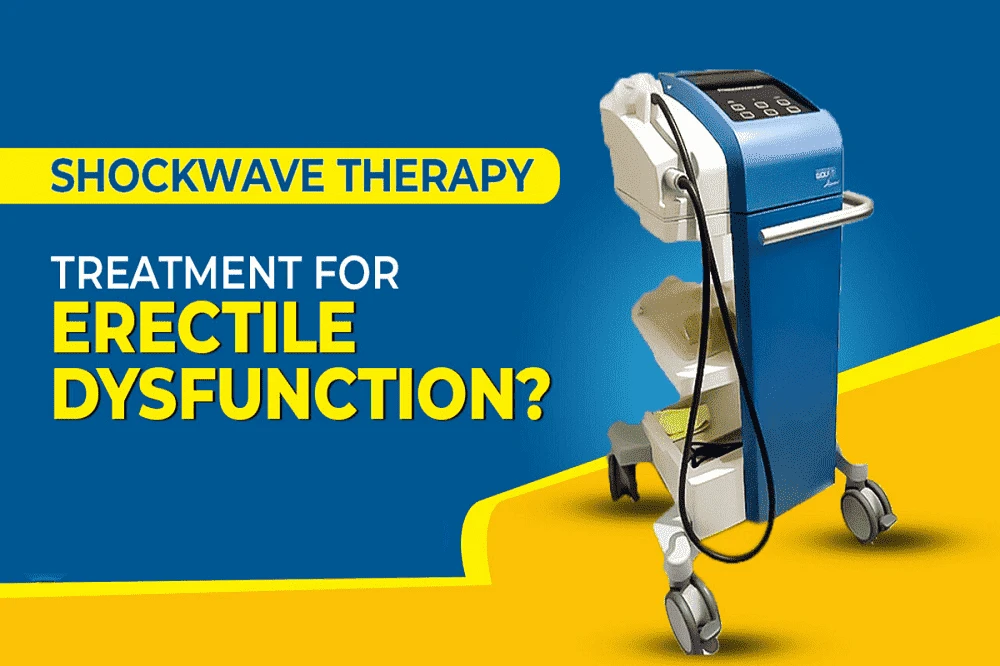
Machine Types: Different devices are available, but they all generate low-intensity sound waves in the focused or radial modality. Focused waves target a specific area, while radial waves deliver broader coverage.Wave Properties: The optimal wave characteristics are still under investigation. However, typical parameters include frequencies between 5-15 MHz and low-energy levels to minimize discomfort.Before and After Precautions:
Before: Certain medications, like blood thinners, may need adjustment before treatment. Discuss any concerns with your doctor.After: There's minimal downtime, but some temporary bruising or swelling might occur. Strenuous activity may be restricted for a short period.Who is a Candidate?
Shockwave therapy may be suitable for men with mild to moderate ED, particularly those with vascular causes. It might also be an option for those who haven't responded well to traditional treatments like medications.
Results and Studies:
Studies have shown promise, with some men experiencing improvement in erectile function after undergoing shockwave therapy. However, the results can vary, and more long-term research is needed. There's no single "best" machine yet, as different devices may have strengths and weaknesses.
Important Considerations:
FDA Approval: Shockwave therapy is not currently approved by the FDA for ED treatment in the United States.Research is Ongoing: More research is necessary to solidify its efficacy and establish standardized protocols.Discuss with your Doctor: Openly discuss shockwave therapy with your urologist to determine if it's the right course of action for you. They can guide you based on your specific situation and medical history.Remember, this information is intended for educational purposes only and shouldn't replace professional medical advice. Consult a qualified sexologist to discuss the best treatment options for your ED.





























Sign in to leave a comment.