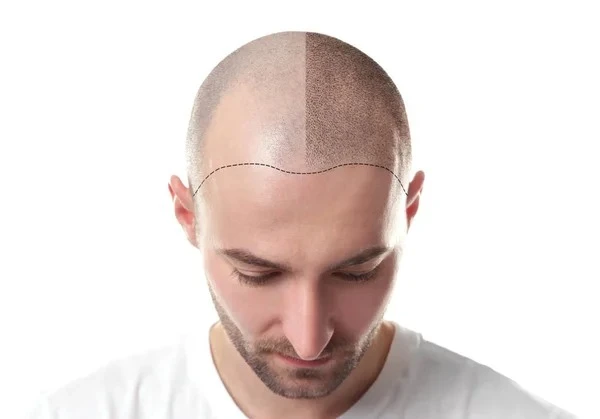

Hair loss can affect confidence, appearance, and even emotional well-being. Fortunately, modern cosmetic procedures have made it possible to restore natural-looking hair with long-lasting results. Among these, hair transplantation stands out as one of the most effective solutions .Many individuals today search for advanced options like Hair Transplant in Islamabad to achieve reliable and natural outcomes. But one of the most common questions people ask is: What is the actual success rate of a hair transplant?
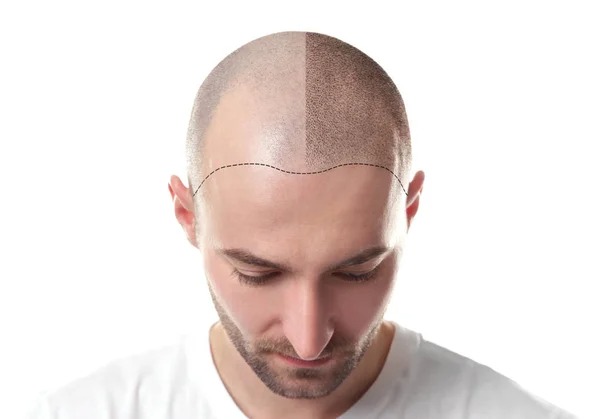
What Is the Success Rate of a Hair Transplant?
The success rate of a hair transplant is generally very high, typically ranging between 90% to 95% when performed by skilled professionals using modern techniques.
Success in hair transplantation refers to:
The survival of transplanted hair grafts
Natural-looking hair growth
Long-term retention of results
Most patients begin to see noticeable hair growth within 3 to 6 months, with full results visible after 9 to 12 months.
However, the success rate can vary depending on several factors such as:
The technique used (FUE or FUT)
The experience of the surgeon
The patient’s hair type and health
Proper post-procedure care
What Factors Affect the Success Rate of Hair Transplant?
Several key factors determine how successful a hair transplant will be:
1. Surgeon’s Expertise
The most important factor is the skill and experience of the professional performing the procedure. Precision in graft placement ensures natural results.
2. Hair Transplant Technique
Modern methods like FUE (Follicular Unit Extraction) offer higher success rates and quicker recovery compared to older techniques.
3. Donor Hair Quality
Healthy, dense donor hair (usually from the back of the scalp) significantly improves outcomes.
4. Patient’s Health
Conditions like diabetes, smoking habits, or poor nutrition can affect healing and graft survival.
5. Aftercare Compliance
Following post-treatment instructions is crucial for achieving optimal results.
How Long Do Hair Transplant Results Last?
Hair transplant results are generally permanent, which is one of the biggest advantages of the procedure.
The transplanted hair is taken from areas resistant to hair loss, meaning:
It continues to grow naturally
It can be cut, styled, and maintained like normal hair
However, it’s important to note:
Existing non-transplanted hair may continue to thin over time
Maintenance treatments may be recommended in some cases
Are Hair Transplants Always Successful?
While the success rate is high, no medical procedure guarantees 100% success.
Some possible issues include:
Partial graft failure
Uneven growth
Temporary shedding (shock loss)
These issues are usually temporary or correctable with follow-up treatments.
Key Insight:
Most patients still achieve significant improvement in hair density and appearance, even if results are not perfect.
What Is the Difference Between FUE and FUT Success Rates?
Here’s a quick comparison of the two most common techniques:
| Feature | FUE (Follicular Unit Extraction) | FUT (Follicular Unit Transplantation) |
|---|---|---|
| Success Rate | 90%–95% | 85%–90% |
| Scarring | Minimal | Linear scar |
| Recovery Time | Faster | Slightly longer |
| Pain Level | Less | Moderate |
| Natural Results | Very High | High |
| Procedure Time | Longer | Shorter |
Both methods are effective, but FUE is generally preferred due to minimal scarring and quicker recovery.
What Do Patients Say About Hair Transplant Results? (Reviews)
Here are some common experiences shared by patients:
Positive Reviews:
“My hair looks completely natural—no one can tell I had a transplant.”
“I regained my confidence after years of hair loss.”
“The results were better than I expected after 10 months.”
Neutral Experiences:
“It took patience, but the results eventually came.”
“Some areas grew slower than others.”
Concerns Reported:
Temporary shedding after the procedure
Mild swelling or redness
Waiting period before visible results
Overall, the majority of patients report high satisfaction rates, especially when expectations are realistic.
How Can You Improve the Success Rate of a Hair Transplant?
To maximize your results, consider the following tips:
Before the Procedure
Avoid smoking and alcohol
Maintain a healthy diet
Discuss medical history openly
After the Procedure
Follow all aftercare instructions carefully
Avoid touching or scratching the scalp
Sleep with your head elevated for a few days
Avoid intense physical activity initially
Long-Term Care
Use recommended hair care products
Consider medications if advised
Maintain regular follow-ups
Is Hair Transplant Suitable for Everyone?
Hair transplant is effective, but not everyone is an ideal candidate.
Good Candidates:
Individuals with stable hair loss
Those with sufficient donor hair
People in good overall health
Less Suitable Candidates:
Severe baldness with limited donor hair
Active scalp conditions
Unrealistic expectations
A proper consultation helps determine eligibility and expected outcomes.
How Soon Can You See Results After a Hair Transplant?
Hair growth follows a gradual timeline:
2–4 weeks: Initial shedding (normal phase)
3–4 months: Early regrowth begins
6 months: Noticeable improvement
9–12 months: Full results
Patience is key, as hair growth is a slow biological process.
What Are the Risks or Side Effects?
Hair transplant is generally safe, but minor side effects can occur:
Swelling
Redness
Itching
Temporary numbness
Serious complications are rare when performed by qualified professionals.
Final Thoughts
Hair transplantation is one of the most reliable and effective solutions for hair loss, offering a success rate of up to 95% when performed correctly. With advancements in technology and techniques, patients can now achieve natural, long-lasting results with minimal downtime.While results depend on multiple factors such as technique, expertise, and aftercare, most individuals experience a significant improvement in both appearance and confidence. Understanding the process, setting realistic expectations, and following proper care guidelines are essential for achieving the best possible outcome.
Contact Us
If you're considering a hair restoration procedure and want to understand your suitability and expected results, now is the perfect time to take the next step.
Get in touch today to:
Receive a personalized consultation
Learn about the most suitable technique for your needs
Understand expected success rates in your specific case
Start your journey toward fuller, natural-looking hair with expert guidance and care.





























Sign in to leave a comment.