
Content Outline
- Introduction to Visual Merchandising in Retail
- What Is Visual Merchandising?
- Why Visual Merchandising Matters for Retail Stores
- Key Elements of Visual Merchandising in Retail
- Role of Technology in Modern Visual Merchandising
- How Visual Merchandising Software Helps Retail Brands
- Benefits of Using Visual Merchandising Software
- Why Retailers Choose Professional Visual Merchandising Services
- How We Help You With Visual Merchandising
Introduction to Visual Merchandising in Retail
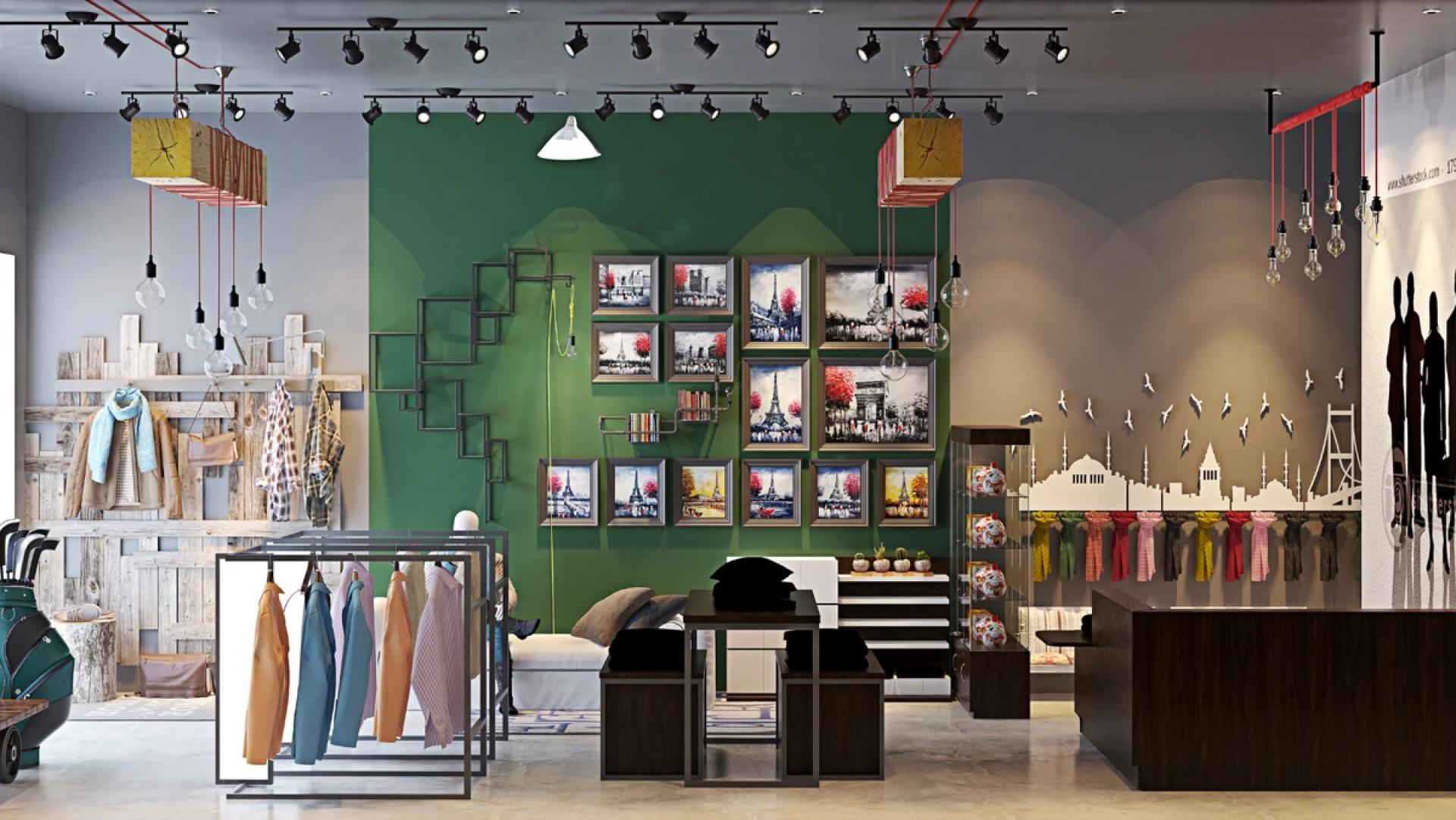
When customers enter a retail store, the first thing they notice is how the store looks. The product placement, shelf layout, lighting, and signage all send a message. This is where Visual Merchandising plays a big role. It helps stores guide customers, show products clearly, and improve buying decisions.
Retail brands today want more than good-looking shelves. They want displays that follow brand rules, match store size, and work the same way across many locations. This is why many businesses now rely on Visual Merchandising Software to manage and control store displays in a better way.
What Is Visual Merchandising?
Visual Merchandising is the practice of arranging products, shelves, displays, and store space to make shopping easy and appealing. The goal is simple: help customers find products quickly and encourage them to buy.
In retail, this includes:
- Shelf layout planning
- Product grouping
- Signage placement
- Window displays
- Floor layout planning
Good Visual Merchandising makes sure the store looks organized and clean. It also helps products get noticed without confusing customers.
Why Visual Merchandising Matters for Retail Stores
Retail stores compete for attention. Customers have many options, both online and offline. A store with poor displays may lose sales even if the products are good.
Visual Merchandising helps by:
- Improving product visibility
- Making stores easier to walk through
- Supporting brand consistency
- Reducing customer confusion
- Increasing product pickup
When done right, it helps stores sell more without pushing sales staff too hard.
Key Elements of Visual Merchandising in Retail
Retail Visual Merchandising works best when all elements come together. Some important parts include:
Store Layout
The layout guides customers from entry to checkout. Clear paths help shoppers move without feeling lost.
Product Placement
Popular or high-margin products are placed at eye level. Related items are kept together.
Signage and Labels
Simple signs help customers understand prices, offers, and product benefits.
Lighting
Good lighting helps products look clear and fresh.
Color and Space Use
Balanced colors and proper spacing avoid clutter and improve shelf appeal.
Role of Technology in Modern Visual Merchandising
Managing store displays across many locations is not easy. Manual planning leads to errors, delays, and poor execution. This is where Visual Merchandising Software becomes useful.
Retail brands use Visual Merchandising Software to plan, share, and monitor store layouts from one place. It allows head offices to guide store teams with clear instructions.
How Visual Merchandising Software Helps Retail Brands
Visual Merchandising Software helps retailers manage planograms, shelf layouts, and display rules without confusion. It gives a clear view of how stores should look and how products should be placed.
With Visual Merchandising Software, retailers can:
- Create digital planograms
- Share layouts with store teams
- Track display compliance
- Update displays faster
- Maintain brand rules across locations
This software reduces guesswork and saves time for both managers and store staff.
Benefits of Using Visual Merchandising Software
Retailers using Visual Merchandising Software see better control and smoother store operations. Some clear benefits include:
Consistency Across Stores
All outlets follow the same display rules, no matter the city or size.
Faster Execution
Store teams get clear instructions with images and layouts.
Better Compliance Tracking
Managers can check if displays match the approved layout.
Improved Sales Visibility
Better product placement leads to better product movement.
Reduced Manual Errors
Clear layouts reduce mistakes in shelf setup.
These benefits make Visual Merchandising Software useful for brands with multiple stores and large product ranges.
Why Retailers Choose Professional Visual Merchandising Services
Many retailers prefer expert support to manage store displays. Professional Visual Merchandising services help brands design layouts, set display rules, and manage store execution.
With expert help, retailers avoid common issues like uneven shelves, poor signage, and unclear product grouping. When paired with Visual Merchandising Software, services become more effective and easier to scale.
How We Help You With Visual Merchandising
We support retail brands with end-to-end Visual Merchandising solutions. Our approach focuses on clarity, consistency, and easy execution. We use Visual Merchandising Software to help you plan store layouts, control shelf displays, and monitor execution across locations.
Our services are designed for retailers who want:
- Clear product placement
- Better shelf visibility
- Store-level consistency
- Simple display management
- Central control with real-time updates
If you are looking for reliable Visual Merchandising Software and expert Visual Merchandising support, we help you manage store displays with confidence and control. Our solutions are built for retail teams who want results without confusion.


























Sign in to leave a comment.