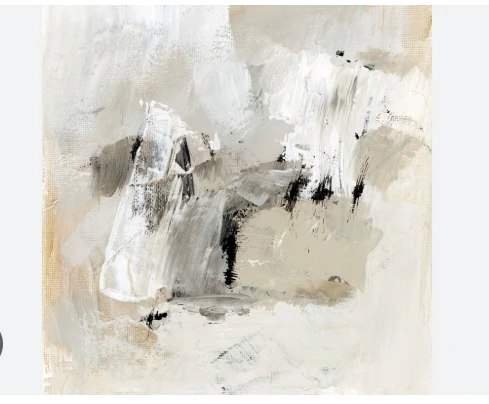

In a world often chasing flawless perfection, there's a growing appreciation for a different kind of beauty—one that is imperfect, impermanent, and incomplete. This is the essence of wabi sabi, a traditional Japanese philosophy that finds beauty in the authentic and the natural. Wabi sabi artwork invites us to slow down and appreciate the simple, overlooked details that make life rich and meaningful.
This post will explore the core principles of wabi sabi and how they are expressed through art. You'll learn what defines this unique aesthetic and how you can incorporate its calming, grounding influence into your own space.
The Heart of Wabi Sabi
Wabi sabi is a concept that's easier to feel than to define. It originates from two separate Japanese words. Wabi refers to a sense of rustic simplicity, quietness, and a connection to nature. It’s about finding satisfaction in less. Sabi speaks to the beauty that comes with age—the graceful wear, the patina on a metal surface, or the weathered texture of old wood.
Together, wabi sabi represents an appreciation for the beauty of things that are flawed, modest, and unconventional. It’s about accepting the natural cycle of growth, decay, and death. In art, this translates to celebrating cracks, asymmetry, and the handmade touch.
Characteristics of Wabi Sabi Artwork
How can you spot wabi sabi in a piece of art? While there are no strict rules, certain characteristics are common. This aesthetic favors authenticity and simplicity over ornate decoration.
Natural Materials and Textures
Wabi sabi artwork often highlights the inherent beauty of natural materials. Think of a ceramic vase with a rough, uneven texture, a painting on handmade paper with visible fibers, or a sculpture carved from reclaimed wood. The focus is on materials that show their age and history, connecting the piece to the natural world.
Asymmetry and Irregularity
Unlike the perfect symmetry found in much of Western art, wabi sabi embraces irregularity. A hand-thrown pottery bowl that is slightly off-kilter, a painting with an unbalanced composition, or a textile with an uneven weave all reflect this principle. These imperfections give the object a unique character and a sense of life that perfectly uniform pieces often lack.
Muted and Earthy Colors
The wabi sabi color palette is drawn from nature. It features calming, earthy tones like shades of gray, brown, beige, and green. These colors create a serene and contemplative mood, encouraging viewers to find peace in simplicity. Bright, loud colors are typically avoided in favor of hues that evoke a sense of tranquility and groundedness.
Simplicity and Minimalism
Wabi sabi art is inherently minimalist. It strips away the non-essential to reveal the true nature of an object or an idea. A wabi sabi piece doesn’t shout for attention; it whispers. The beauty lies in its understated elegance and the space it leaves for quiet reflection. This could be a simple ink wash painting with just a few brushstrokes or a photograph capturing a fleeting, quiet moment.
How to Bring Wabi Sabi into Your Home
Incorporating wabi sabi artwork into your living space is a wonderful way to create a calm and authentic environment.
● Start Small: You don't need to redecorate your entire home. Begin with a single piece, like a handcrafted ceramic bowl, a textured wall hanging, or a framed piece of abstract art with earthy tones.
● Embrace the Old: Look for pieces with history. This could be a vintage print, a weathered wooden frame, or even a beautiful stone you found on a walk.
● Mix Textures: Combine different textures to add depth and interest. Pair a smooth, polished surface with a rough, natural textile to create a pleasing contrast.
● Focus on Handmade: Seek out art made by artisans. The slight imperfections in handmade items are what give them their unique soul and story.
Find Beauty in the Imperfect
Wabi sabi artwork offers a refreshing perspective in our modern lives. It teaches us to see beauty not in perfection, but in the authentic, the humble, and the impermanent. By bringing these pieces into our homes, we can create spaces that feel more personal, peaceful, and connected to the natural world.





























Sign in to leave a comment.