
Introduction
Imagine waking up in Bali, spending the morning learning math on the beach, then spending the afternoon exploring a local rice farm with your kids. No school bus. No homework deadlines. No rigid timetables.
This is not a holiday. This is worldschooling — and thousands of families around the world are choosing it as their primary approach to education.
But what exactly is worldschooling? How does it work in real life? And is it actually a good idea for your children?
Let us break it all down simply and honestly.
You can explore worldschooling programs and alternative schools at nomadschoolers
What Is Worldschooling?
Worldschooling is an approach to education where children learn through real-world experiences, travel, and cultural immersion rather than sitting in a traditional classroom.
The term combines two ideas — the world and schooling. The core belief is simple. The world itself is the best classroom. Children learn more deeply when they experience things firsthand — visiting historical sites, learning languages by speaking with locals, understanding ecosystems by living inside them.
Worldschooling is not one fixed method. Every family does it differently. Some travel full-time. Others relocate to one country for a year. Some join structured programs with other families. Others design their own curriculum completely from scratch.
What all worldschooling families share is a belief that education does not have to happen inside four walls — and that children can thrive when learning feels meaningful and connected to real life.
How Is Worldschooling Different From Homeschooling?
This is one of the most common questions people ask.
Homeschooling means parents take full responsibility for their child's education at home, following a curriculum outside the traditional school system. The family stays in one place. Learning happens at home.
Worldschooling takes homeschooling one step further. The family moves — across cities, countries, or continents — and learning happens through that movement. A history lesson becomes a visit to ancient ruins. A geography lesson becomes a road trip through mountain ranges. A language lesson becomes a conversation with a shopkeeper in a market.
In short — homeschooling replaces the classroom with home. Worldschooling replaces the classroom with the entire world.
What Are the Different Types of Worldschooling?
There is no single worldschooling path. Families choose different approaches based on their lifestyle, budget, and children's needs.
Unschooling — Children lead their own learning entirely. No fixed curriculum. Learning follows the child's natural curiosity and interests.
Structured worldschooling — Parents design a proper curriculum but deliver it through travel and real-world experiences rather than textbooks.
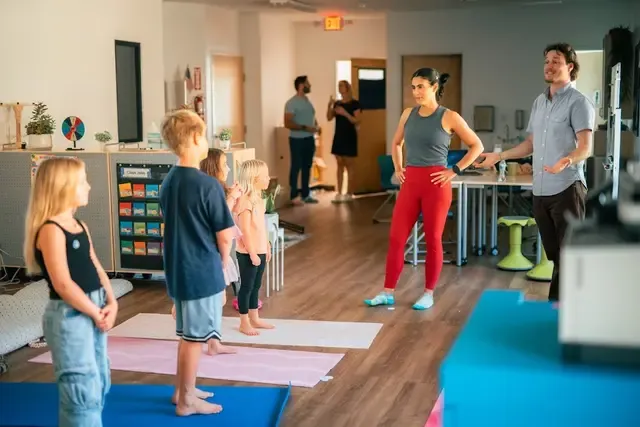
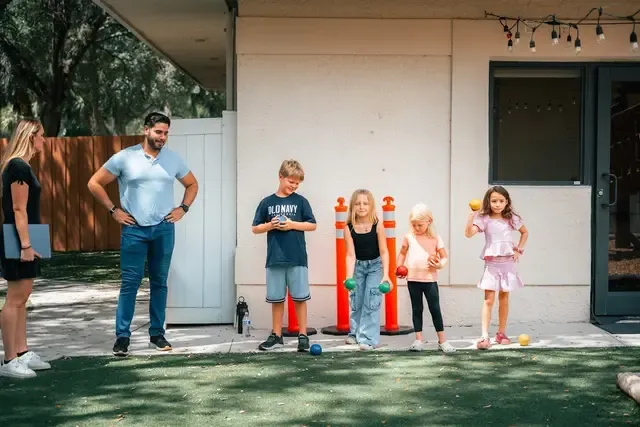
Worldschooling programs — Families join organised communities where multiple families travel and learn together. These programs often include structured education, social activities, and community support.
Enrolment in local schools abroad — Families relocate to a new country and enrol their children in local or international schools there. The child gets a local education while experiencing a new culture.
Online schooling while traveling — Children follow an accredited online curriculum while the family travels. This gives flexibility while maintaining academic structure.
Browse worldschooling programs from around the world at nomadschoolers
What Are the Real Benefits of Worldschooling?
Parents who choose worldschooling often talk about benefits that go far beyond academic achievement.
Children develop genuine cultural awareness and empathy by living alongside people from different backgrounds. They learn adaptability — how to handle new situations, new languages, and new environments with confidence. They build independence earlier than most children their age.
Many worldschooled children also develop a deep love of learning because their education never feels forced or disconnected from real life. When a child learns about volcanoes while standing next to one, that knowledge sticks in a very different way.
Socially, worldschooling families often find rich community through programs and networks of like-minded families. Children form friendships with peers from many different countries and cultures — friendships that often last a lifetime.
FAQ
Is worldschooling legal? In most countries yes — but laws vary. Many countries allow homeschooling and unschooling under national education regulations. Always check the specific rules in your home country and the countries you plan to visit.
Do worldschooled children struggle to get into university? Not necessarily. Many worldschooled teenagers pursue accredited qualifications like Cambridge IGCSE, IB, or online diplomas that are recognised by universities worldwide.
How much does worldschooling cost? It varies enormously. Some families worldschool on very tight budgets by choosing affordable destinations like Bali, Mexico, or Eastern Europe. Others spend more by joining premium programs or living in expensive cities.
What age is best to start worldschooling? There is no perfect age. Many families start when children are very young. Others begin during primary school years. Some even start during teenage years with great success.
Do children miss their friends? This is a real challenge — and honest worldschooling families acknowledge it. However most children build strong friendships within worldschooling communities and stay connected with home friends through technology.
Final Thought
Worldschooling is not for every family. It requires flexibility, commitment, and a willingness to step outside the conventional path. But for families who choose it — the rewards are extraordinary.
The world is endlessly patient. It has been teaching children long before schools ever existed.






















Sign in to leave a comment.