
Building occupants never think about what moves behind walls and beneath floors. Water flows smoothly. Pumps operate quietly. Mechanical systems appear stable every day. Yet inside those systems, pressure, vibration, and movement constantly test the strength of every connection.
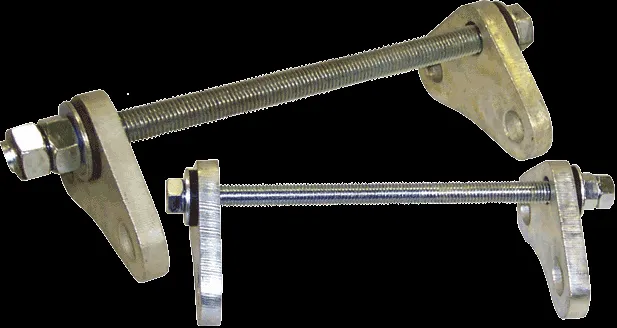
That ongoing stress explains why components like Joint Control Rods have become increasingly important across commercial and industrial piping systems. Contractors now focus more heavily on protecting system integrity because one uncontrolled movement can damage equipment, disrupt operations, and create costly repairs.
The need for stronger piping support continues growing as infrastructure ages and facilities demand higher performance standards. According to the American Society of Civil Engineers, much of the United States water infrastructure remains decades old, increasing the need for dependable system protection and maintenance strategies.
Why Does Pipe Movement Create Serious Risks?
Piping systems rarely stay completely still during operation. Pumps create vibration. Pressure changes cause movement. Temperature fluctuations force pipes to expand and contract throughout the day. Over time, these forces place stress on joints, valves, and connected equipment.
In large facilities, even small movements can gradually weaken connections or damage nearby components. A sudden pressure surge may create even greater strain. Without proper restraint, these movements sometimes lead to leaks, equipment failure, or unexpected shutdowns.
That is why many contractors now prioritize Joint Control Rods when designing or upgrading piping systems. These components help limit excessive movement while supporting safer and more controlled system operation.
Why Are Mechanical Systems Facing More Stress Today?
Modern buildings place far greater demands on mechanical infrastructure than older facilities ever did. Hospitals, manufacturing plants, data centers, and commercial buildings all depend on continuous fluid movement under changing operational conditions. Systems now operate longer and under tighter efficiency targets.
Higher flow demands increase pressure fluctuations across piping networks. At the same time, energy-efficient equipment often creates more precise operating conditions that require greater system stability.
This combination has increased attention on components that support long-term durability instead of short-term installation convenience.
Engineers and contractors understand that controlling pipe movement protects more than just the piping itself. Stable systems also reduce wear on pumps, valves, expansion joints, and connected equipment.
How Do Pressure Surges Affect System Reliability?
Pressure surges remain one of the most overlooked threats inside fluid systems. Many people know this problem as water hammer. The effects can become severe quickly.
When fluid flow changes suddenly, pressure waves move through the piping system at high force. These surges create shock loads that stress joints and equipment repeatedly over time. In extreme cases, uncontrolled movement may damage piping supports or connected machinery.
Maintenance teams often discover the damage only after performance issues appear.
Proper restraint systems help absorb and manage those forces more effectively. Products like Joint Control Rods provide additional support that helps reduce stress during sudden pressure events while maintaining alignment across the system.
Why Are Contractors Thinking More About Long-Term Maintenance?
Facility managers now evaluate systems based on lifecycle performance rather than installation cost alone. Unexpected shutdowns create operational disruptions, repair expenses, and scheduling problems that affect entire facilities. Preventive protection has become far more valuable.
Maintenance teams prefer systems designed for long-term reliability because repairs inside active commercial or industrial environments often become expensive and difficult to manage. Stable piping systems also reduce inspection concerns and simplify ongoing maintenance planning.
This shift has changed how contractors select components during project planning. Buyers increasingly prioritize compatibility, durability, and supplier expertise when evaluating system protection products.
Reliable sourcing matters because every component inside the system affects overall performance.
What Does This Mean for Future Infrastructure Planning?
Infrastructure planning now extends far beyond initial construction schedules. Engineers, contractors, and facility managers increasingly focus on how systems will perform under years of operational stress. That mindset continues to reshape the fluid-control industry.
Modern facilities demand stronger protection strategies that reduce downtime, improve system stability, and support long-term operational efficiency. Components like Joint Control Rods continue gaining importance because they address movement challenges that quietly affect system performance every day.
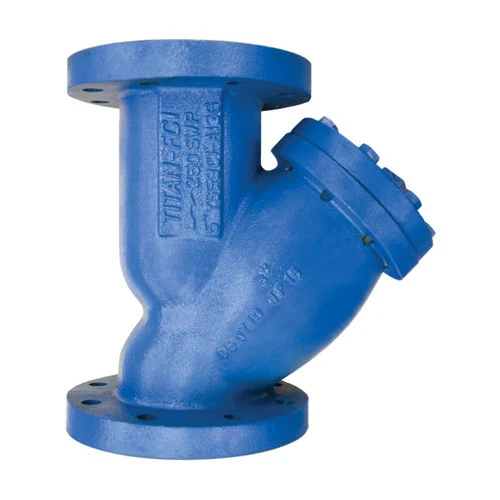
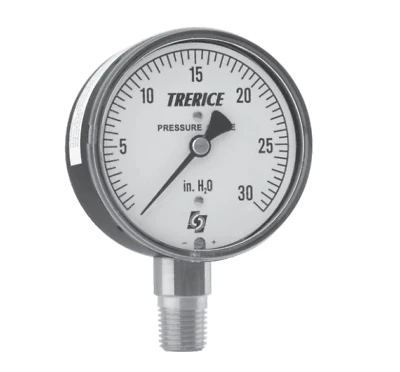
Companies such as Lehigh Valley Valve support these evolving infrastructure needs by supplying valves, piping components, instrumentation products, and fluid-control solutions used throughout commercial, industrial, and mechanical system applications across the United States.


























Sign in to leave a comment.