

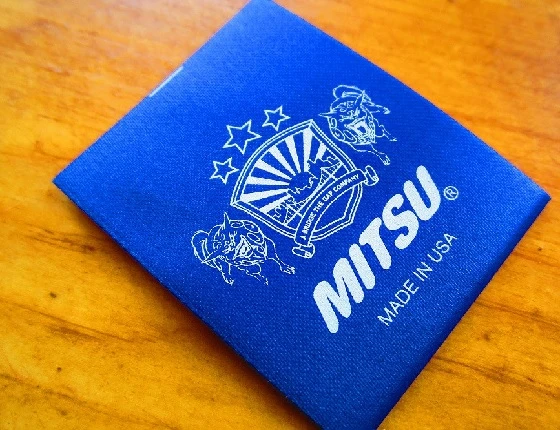
Printed fabric labels are an integral part of the clothing industry, serving multiple functions that extend beyond mere identification. These labels provide crucial information, enhance brand recognition, and contribute to the overall presentation of garments. This article delves into the significance, production processes, types, and applications of printed fabric labels, highlighting their indispensable role in the apparel industry.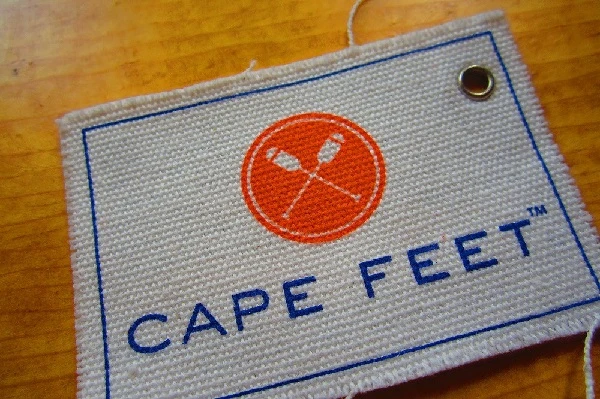
The Importance of Printed Fabric Labels
Printed fabric labels play a pivotal role in branding, compliance, consumer information, and product differentiation. Here\'s why they are essential:
1. Branding and Identity
Printed fabric labels are critical for branding. They carry the brand\'s logo, name, and other identifying marks, helping to establish and reinforce brand identity. A well-designed label can leave a lasting impression on consumers, contributing to brand recognition and loyalty. In a crowded market, distinctive labels help a brand stand out and convey its unique identity.
2. Legal Requirements
Garments sold in many countries are required by law to include specific information, such as care instructions, country of origin, and fiber content. Printed fabric labels ensure compliance with these regulations, helping brands avoid legal issues and providing consumers with necessary product information. This transparency builds trust between the brand and the consumer, ensuring that buyers are informed about the product they are purchasing.
3. Consumer Information
These labels provide essential care instructions, helping consumers maintain their garments properly. Information on washing, drying, and ironing ensures that clothes last longer and remain in good condition, enhancing customer satisfaction. Proper care instructions prevent damage to the garment, reducing the likelihood of returns and increasing consumer trust in the brand.
4. Product Differentiation
Printed fabric labels help differentiate products in a competitive market. Unique designs and high-quality printing can make a garment stand out, attracting consumers and adding value to the product. Labels can feature special touches like metallic inks or raised print, which add a premium feel and appeal to buyers looking for distinctive items.
The Production Process of Printed Fabric Labels
Creating printed fabric labels involves several meticulous steps to ensure quality and durability:
1. Designing
The process starts with designing the label. This involves creating a digital design that includes all necessary information and graphical elements. The design must be clear and legible, considering the limited space on a label. Graphic designers use specialized software to ensure the design meets all requirements and is suitable for printing. The design phase also considers factors such as the garment type, target audience, and brand aesthetics.
2. Material Selection
Choosing the right fabric is essential. Common materials for printed fabric labels include satin, cotton, polyester, and nylon. Each material has unique properties that affect the label\'s durability, feel, and appearance. For instance, satin offers a smooth, luxurious finish, while cotton provides a natural, soft touch.
3. Printing Techniques
Several printing techniques are used to create printed fabric labels, each with its advantages:
Screen Printing: This traditional method involves creating a stencil (screen) and using it to apply layers of ink on the fabric. Screen printing is durable and produces vibrant colors but is less suitable for intricate designs.
Thermal Printing: Also known as thermal transfer printing, this technique uses heat to transfer ink from a ribbon onto the fabric. It is ideal for small batches and allows for quick production with high detail.
Digital Printing: This modern method uses digital technology to print directly onto the fabric. Digital printing offers high resolution and the ability to produce complex designs with multiple colors. It is efficient for small to medium batches.
4. Cutting and Finishing
Once printed, the fabric is cut into individual labels. This step requires precision to ensure each label is the correct size and shape. The edges may be heat-sealed to prevent fraying, and the labels can be folded in various ways, such as center-fold, end-fold, or loop-fold, depending on how they will be attached to the garment.
5. Quality Control
Quality control is a vital step to ensure that printed fabric labels meet the desired standards. Labels are inspected for clarity, color accuracy, and durability. Any defects are identified and corrected before the labels are shipped to the garment manufacturer.
Types of Printed Fabric Labels
Printed fabric labels come in various types, each suited to different applications and preferences:
1. Satin Labels
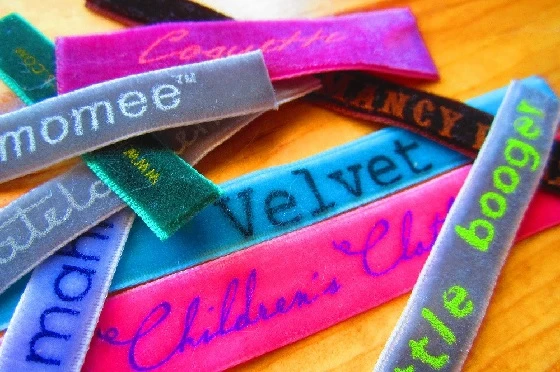
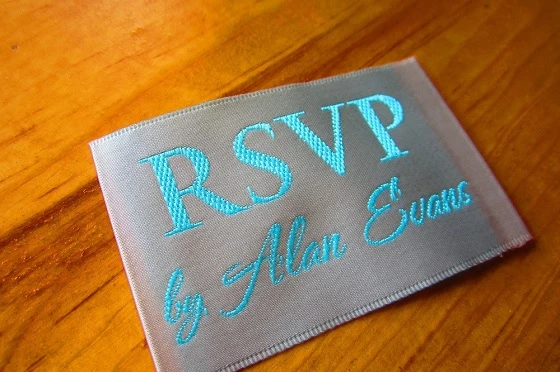
Satin labels have a smooth, glossy finish that gives a luxurious feel. They are often used in high-end garments and delicate fabrics, providing a sophisticated look. Satin labels can be printed with fine details and vibrant colors.
2. Cotton Labels
Cotton labels offer a natural, soft texture that is comfortable against the skin. They are ideal for casual and children\'s clothing. Cotton labels are environmentally friendly and can be printed with eco-friendly inks.
3. Polyester Labels
Polyester labels are durable and resistant to fraying and fading. They are suitable for garments that undergo frequent washing and wear, such as sportswear and outdoor clothing. Polyester labels can be printed with sharp, clear details.
4. Nylon Labels
Nylon labels are strong and lightweight, making them perfect for activewear and performance clothing. They are resistant to moisture and abrasion, ensuring longevity even under harsh conditions.
Applications of Printed Fabric Labels
Printed fabric labels are used in various ways across the apparel industry, reflecting their versatility and importance:
1. Brand Identification
Labels featuring the brand\'s name and logo are sewn into visible areas of the garment, such as the neckline or waistband. These labels enhance brand visibility and help consumers identify the brand at a glance.
2. Care and Content Labels
These labels provide essential information on how to care for the garment, including washing, drying, and ironing instructions. They also indicate the fabric composition, helping consumers make informed purchasing decisions.
3. Size Labels
Size labels indicate the garment\'s size, helping consumers find the right fit. They are usually placed alongside brand labels or care labels.
4. Special Instructions
Some garments require additional information, such as special washing instructions, allergen warnings, or certification marks. Printed fabric labels can accommodate these needs, ensuring all necessary information is conveyed.
Printed fabric labels are an integral part of the clothing industry, serving multiple functions from branding and legal compliance to consumer information and product differentiation. Their production involves careful design, material selection, and precise printing techniques to ensure they meet the high standards required by both manufacturers and consumers. As the industry continues to evolve, printed fabric labels will remain a key element in delivering high-quality garments that meet the diverse needs of the market.

























Sign in to leave a comment.