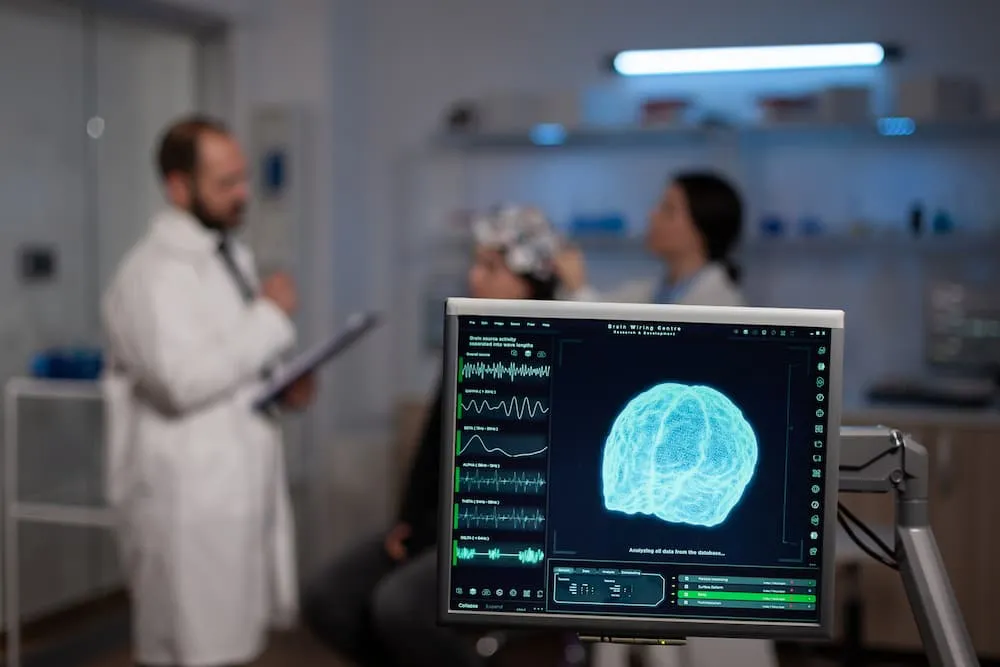

Facing the possibility of a complex brain procedure can be overwhelming for patients and their families. Learning about the condition, available treatments, and surgical expectations often helps reduce fear and improve confidence in the process. Many individuals seeking Brain Tumor Surgery Newport Beach want clear information about what lies ahead and how specialized care can support better outcomes and recovery.
Understanding Specialized Brain Procedures
Specialized brain procedures refer to advanced surgical techniques used to diagnose, treat, or manage conditions affecting the brain and surrounding structures. These procedures may be recommended for brain tumors, vascular abnormalities, epilepsy, or other neurological disorders that cannot be effectively treated through medication alone. Neurosurgical advancements have significantly improved precision and safety, allowing surgeons to address complex conditions with greater confidence and reduced risks compared to many traditional approaches.
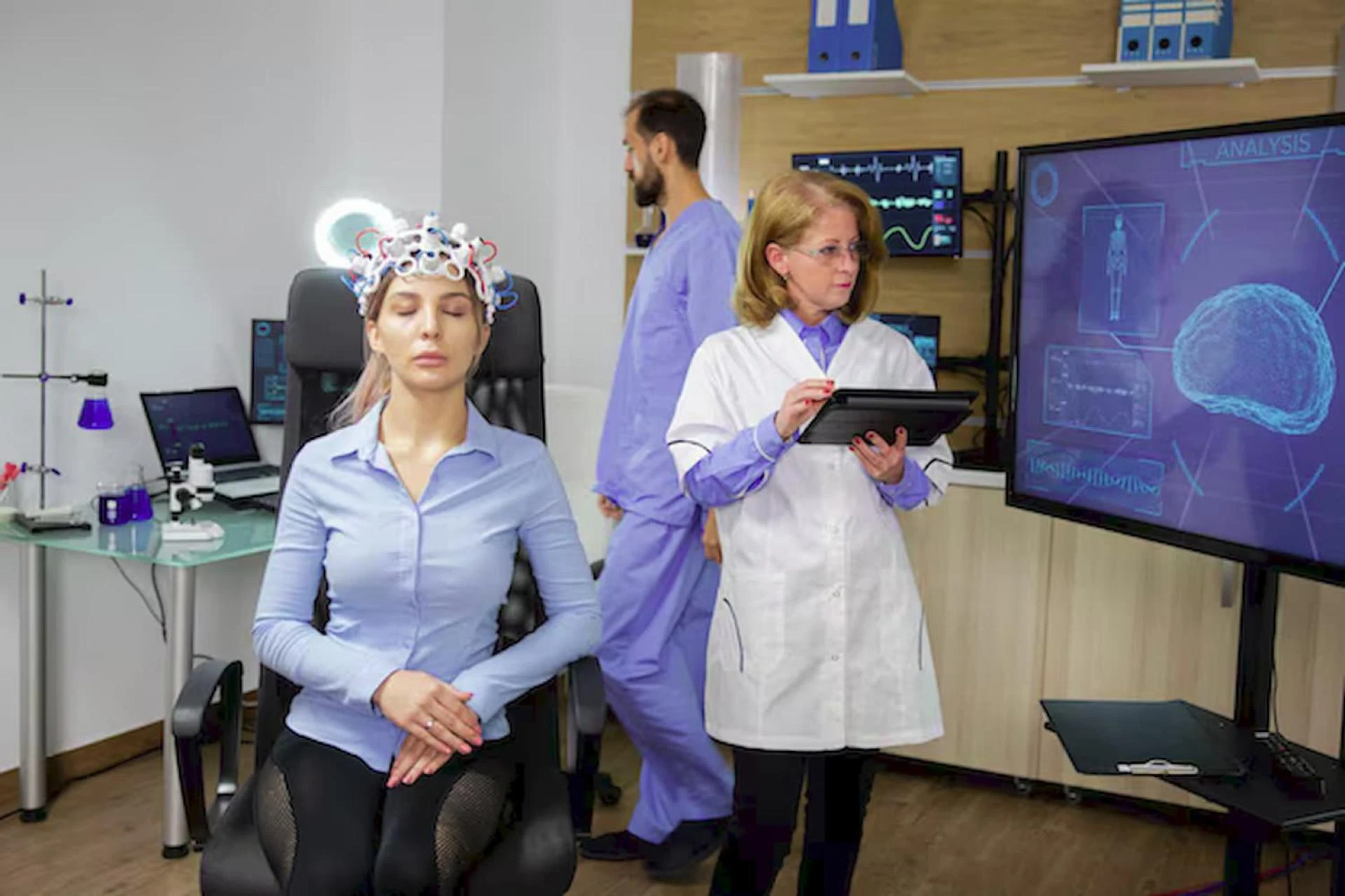
The decision to undergo a brain procedure is usually based on careful medical evaluations and detailed imaging studies. Magnetic resonance imaging, computed tomography scans, and neurological assessments help determine the exact location and nature of the condition. Specialists use this information to create individualized treatment plans that address the patient's specific needs. Understanding the purpose of the surgery and its expected outcomes is an important first step for anyone preparing for a specialized brain procedure.
Why Brain Tumor Surgery May Be Recommended
Removing or Reducing Tumor Growth
Brain tumor surgery is often recommended when a tumor causes symptoms, threatens nearby structures, or continues to grow. In many situations, surgery aims to remove as much of the tumor as possible while preserving healthy brain tissue. Reducing tumor size can relieve pressure inside the skull and improve symptoms such as headaches, seizures, or changes in vision and coordination. The extent of tumor removal depends on factors such as tumor type, size, and location.
Obtaining an Accurate Diagnosis
Sometimes surgery is necessary even when complete removal of the tumor is not possible. In these cases, surgeons may remove a small portion of the abnormal tissue to obtain a biopsy. Examining the tissue under a microscope helps determine the tumor type and guides future treatment decisions. An accurate diagnosis is essential because different tumors require different treatment approaches, including radiation therapy, chemotherapy, targeted therapy, or ongoing monitoring after surgery.
Preparing for a Specialized Brain Procedure
Medical Evaluations and Testing
Preparation for brain surgery often involves a series of tests and consultations. Patients may undergo blood tests, imaging studies, and cardiac evaluations to ensure they are physically ready for the procedure. Medical teams review current medications and may advise stopping certain drugs before surgery. These evaluations help identify potential risks and allow physicians to create strategies that improve safety and support a smoother surgical experience and recovery process.
Understanding the Surgical Plan
Patients benefit greatly from understanding the details of the planned procedure. Discussions with the surgical team usually include the goals of surgery, possible risks, expected outcomes, and potential alternatives. Asking questions and expressing concerns can help patients feel more informed and prepared. Family members are often encouraged to participate in these conversations because they play an important role in providing emotional support and assisting with care during the recovery period.
What Happens During Brain Surgery
Advanced Technology and Precision Techniques
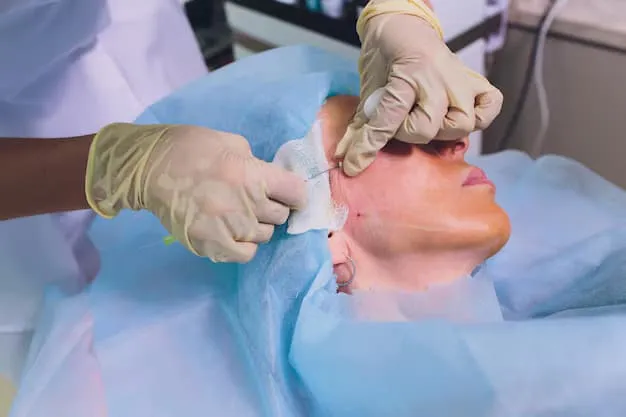
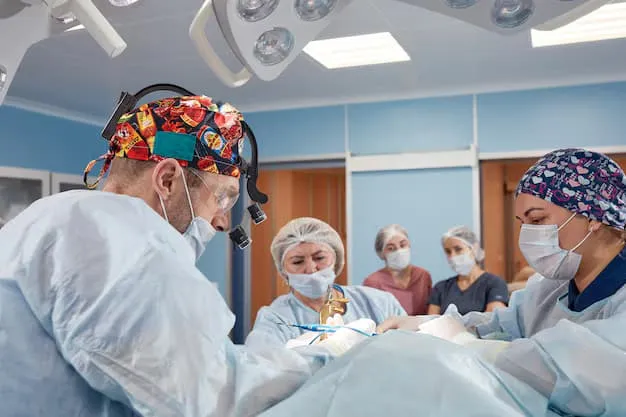
Modern brain surgery frequently uses sophisticated technology to improve precision and minimize damage to healthy tissue. Image guidance systems, surgical microscopes, and advanced monitoring techniques allow surgeons to navigate delicate areas of the brain more accurately. Some procedures may involve minimally invasive approaches that use smaller openings and specialized instruments. These advancements have contributed to shorter hospital stays and improved outcomes for many patients undergoing complex neurological procedures.
Anesthesia and Monitoring
During surgery, patients are carefully monitored by a team of specialists who oversee vital functions such as heart rate, breathing, and blood pressure. General anesthesia is commonly used, although certain procedures may require patients to remain awake for specific portions of the surgery. Awake procedures can help surgeons monitor speech, movement, and other critical functions while operating near important areas of the brain. The approach chosen depends entirely on the individual's condition and treatment goals.
Potential Risks and Complications
Like all surgical procedures, brain surgery carries certain risks that patients should understand before making treatment decisions. Potential complications may include infection, bleeding, swelling, seizures, or temporary neurological changes. The likelihood of these complications varies depending on the type of procedure and the patient's overall health. Surgeons take extensive precautions to minimize risks, and advances in medical technology have significantly improved safety and reduced the incidence of serious complications in many cases.
Some patients may experience temporary difficulties with speech, balance, memory, or coordination following surgery. These changes often improve over time with rehabilitation and supportive care. Understanding that recovery can involve both physical and emotional challenges helps patients maintain realistic expectations. Open communication with healthcare providers allows concerns to be addressed promptly and helps ensure that any complications are managed effectively and appropriately during the healing process.
Recovery After Brain Surgery
The Hospital Recovery Period
Recovery begins immediately after surgery, with patients being closely observed in a recovery unit or intensive care setting. Medical teams monitor neurological function and manage pain while assessing for any signs of complications. The length of hospitalization depends on the complexity of the procedure and the patient's progress. Some individuals may return home within a few days, while others require additional time for monitoring and rehabilitation before discharge.
Returning to Daily Activities
Healing continues after leaving the hospital, and recovery timelines vary widely among patients. Fatigue is common during the initial weeks, and many individuals need assistance with daily activities as they regain strength. Healthcare providers usually recommend gradually increasing activity levels while avoiding strenuous tasks until recovery progresses. Follow up appointments and imaging studies help assess healing and determine whether additional treatments or therapies may be necessary.
The Importance of Rehabilitation
Physical and Cognitive Therapy
Rehabilitation plays an essential role in helping patients regain independence and improve quality of life after brain surgery. Depending on the individual's needs, rehabilitation may include physical therapy, occupational therapy, or speech therapy. These services are designed to address challenges related to movement, coordination, communication, and cognitive function. Early participation in rehabilitation programs often contributes to better outcomes and supports a smoother transition back to normal daily activities.
Emotional Recovery and Support
The emotional impact of brain surgery should not be overlooked. Patients and their families often experience stress, uncertainty, and anxiety throughout the treatment process. Emotional support from healthcare professionals, counselors, and support groups can help individuals cope with these challenges more effectively. Maintaining a positive outlook and seeking assistance when needed are important aspects of the recovery journey and can significantly influence overall well being and long term adjustment.
Questions Patients Should Ask Before Surgery
Being informed allows patients to make confident decisions regarding their care. Questions about the purpose of the surgery, expected benefits, possible complications, and recovery timelines can provide valuable clarity. Patients may also wish to ask about the surgeon's experience, rehabilitation services, and whether additional treatments may be needed after the procedure. Preparing a list of questions before appointments can help ensure that important concerns are addressed and that patients fully understand their treatment options.
Family members should also participate in discussions whenever possible because they often become essential caregivers during recovery. Understanding postoperative instructions, medication schedules, and signs of potential complications allows families to provide meaningful support. Open communication between patients, families, and healthcare providers creates a collaborative approach that promotes safety, confidence, and improved outcomes throughout the treatment process.
conculsion
Advances in neurosurgical care continue to improve the outlook for patients requiring specialized brain procedures. Earlier diagnosis, improved imaging technology, and refined surgical techniques have expanded treatment possibilities and increased the likelihood of successful outcomes. While every patient's experience is unique, many individuals can achieve meaningful recovery and return to active, fulfilling lives following treatment.
The decision to undergo brain surgery can feel daunting, but education and preparation play a critical role in easing concerns and promoting confidence. Understanding the purpose of the procedure, the recovery process, and the importance of ongoing support empowers patients to approach treatment with greater peace of mind. For those seeking expert guidance regarding specialized brain procedures and brain tumor treatment options, Robert Louis MD can provide valuable insight and professional care.

























Sign in to leave a comment.