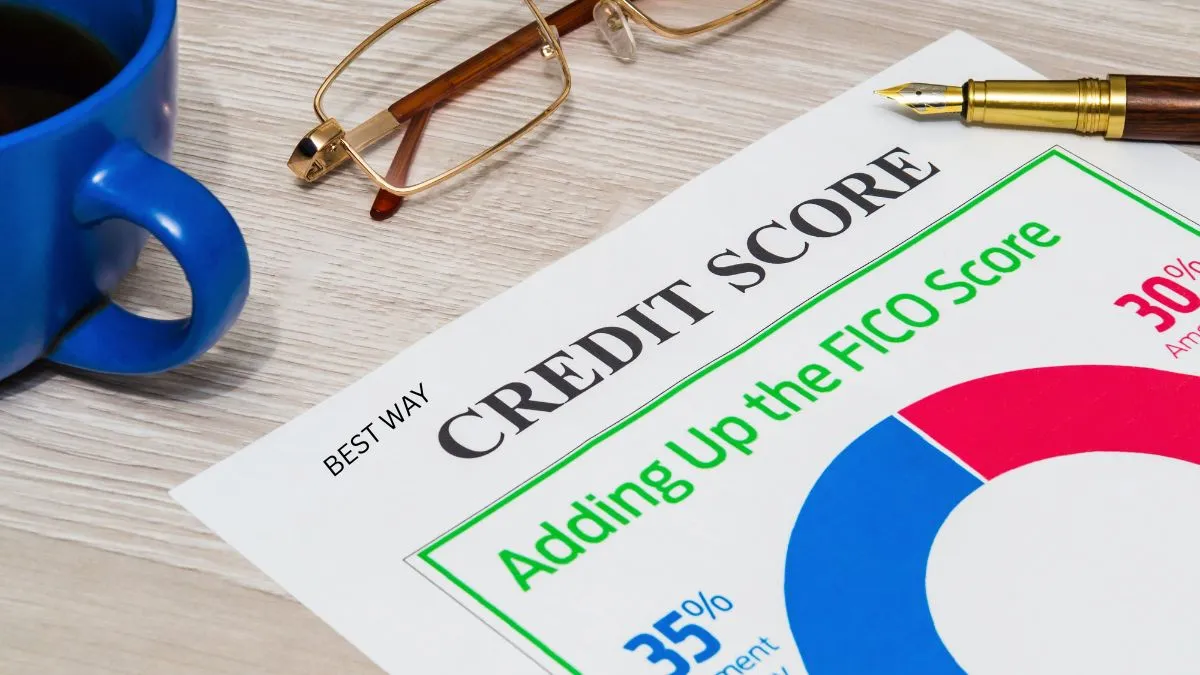

A financial crunch can pop up at any time, maybe when you are least prepared for it. You might have lost your job all of a sudden or have an unexpected medical bill to pay. These are unavoidable payments, and your credit scores get harmed if you leave them unattended.
This very thought of a blemished credit history will keep scaring you until some solid steps are taken to rebuild. At this point, you might feel underconfident if you do not have enough resources ready by your side.
You might feel that nothing productive can be done to revive your credit scores. However, the good part is that recovery from this point is possible. In fact, this could be your starting point if your credit scores have not been doing well for long.
The moment you identify financial difficulties, you can begin the process of rebuilding credit. If you seem to be clueless on how to go ahead, you can consider taking out external funds. You need to be very careful, as options like bad credit loans come with repayment obligations.
Once you accept the loan agreement, you are bound to repay. Otherwise, you might have to face additional charges and further blemishing of your credit history. If you plan carefully, keeping the concerning aspects in mind, a loan can prove to be a helpful tool in reducing the burden of poor credit scores.
There are other ways or strategies you can try to improve your credit scores after financial hardship.
Rebuilding credit is possible after financial difficulties
Credit damage is not a permanent thing. It is up to you to understand the significance of starting the rebuilding process. Financial hardship makes you learn how deep the problem is and from where you should begin the process of improving your credit scores.
Some quick fixes might be available, but they are not as effective as you want them to be. You need to be patient and consistent to get rid of this problem permanently. Implement strategies in a step-by-step format.
Assess your current financial standing
The extent of improvement required will depend on how deep the problem is. You must explore your ongoing circumstances to understand the intensity of the financial issue. Get started with reviewing your credit report, which you can retrieve for free twice a year.
By analysing the data, you can figure out where the real problem is and what should be done to combat this problem. There might be errors or mistakes that reflect as incorrect information to the lender. Even, your reports might show information that does not belong to you.
All these aspects need rectification, and you must report them as early as possible. This will prevent further damage to your credit scores. Besides, if poor credit scores have been caused because of late payments, you can figure out how to manage these payments to get back on track.
Get a complete overview of your financial condition. This will help you get a full picture of debt issues you might be facing. You can understand which aspects need your attention the most.
Be punctual in paying bills on time
There is no alternative to this strategy, as payment history is by far the most influential factor in determining credit history. Therefore, if you pay bills on time, your credit scores will automatically improve and vice versa.
Now, when you are in the credit improvement journey, you must pay attention to this aspect. Despite facing financial difficulties, you must try to arrange funds by adjusting expenses or by increasing your income to pay expenses.
If paying off in full seems difficult, you can try paying in portions. This way, your credit scores will gradually improve, but there will be progression. For this reason, this strategy is non-negotiable no matter which phase of financial struggle you are in.
Opt for automatic payments to prevent missing
In some cases, people forget to pay the bill even when they have funds in place. One of the best ways to combat this forgetfulness is by switching to automatic payments.
Automate the necessary payment so that you do not have to intervene manually. Everything will happen smoothly even when you are not paying attention. The only thing is that you must keep the necessary amount ready in your bank account before the due date.
Otherwise, there might be fear of going into an overdraft facility. If your account carries sufficient balance before the date of payments, there is no reason for you to worry at all.
Be mindful about your credit utilisation
When it comes to dealing with credit scores, you cannot overlook credit utilisation. It is the ratio of current balances to the overall accessible credit limit. This is another crucial factor that is responsible for defining the credit scores.
Ideally, this ratio should be less than 30%. It might happen that you carry high balances when facing difficult times financially. You can try meeting the existing balances.
You can implement the avalanche or snowball strategy to address different types of debts. Address either the costliest debts or the one carrying a small balance, depending on your financial ability. You can request an increase in credit limit to show that credit utilisation is within control.
Build an emergency fund
Financial difficulties will take you through managing unplanned expenses. When you do not have enough money kept aside for emergencies, payments remain pending. This causes your credit scores to degrade.
Therefore, while working on different strategies, you must pay attention to creating an emergency fund. This will be the necessary financial cushion that can safeguard you during difficult times. Then, you will not have to depend on external funds during an emergency.
When you do not have to borrow even for smaller necessities, you can keep your credit history clean. Creating an emergency fund can help in a similar way even when you have been going through poor credit scores.
The bottom line
When you are in the process of improving your credit scores, you must prevent yourself from creating new debts. Then, whatever you have rebuilt so far will be ruined. You will have to start all over again. Do not close your older accounts to take advantage of longer credit history.

























Sign in to leave a comment.