
Plumbing emergencies can happen without warning and often require immediate attention to prevent serious damage to your property. Whether it's a burst pipe, overflowing toilet, blocked drain, or major water leak, knowing what to do in the first few minutes can help minimise damage and keep your household safe.
Stay Calm and Assess the Situation
The first step during any plumbing emergency is to remain calm. Quickly identify the source of the problem and determine how severe it is. Understanding whether the issue involves clean water, wastewater, or gas can help you take the appropriate action while waiting for professional assistance.
Turn Off the Water Supply
If water is leaking uncontrollably, locate and shut off the main water supply immediately. Most homes have a main shut-off valve near the water meter or where the water line enters the property. Turning off the water can prevent further flooding and reduce the risk of structural damage.
For smaller issues, such as a leaking tap or toilet, you may only need to shut off the local isolation valve connected to the affected fixture.
Switch Off Electrical Power if Necessary
Water and electricity are a dangerous combination. If water is approaching electrical outlets, appliances, or wiring, switch off power to the affected area if it is safe to do so. Never stand in water while attempting to access electrical panels or switches.
If you are unsure about safety, leave the area and contact emergency professionals.
Contain the Water
Use buckets, towels, mops, or containers to collect leaking water and prevent it from spreading throughout your home. Moving furniture, electronics, and valuable belongings away from the affected area can also help reduce damage.
Quick action can save flooring, walls, and personal possessions from costly repairs.
Avoid Using Plumbing Fixtures
If you are dealing with a blocked drain, sewer backup, or overflowing toilet, avoid using sinks, showers, toilets, and other plumbing fixtures until the issue has been resolved. Continued use can worsen the blockage and increase the risk of wastewater flooding your property.
Check Your Hot Water System
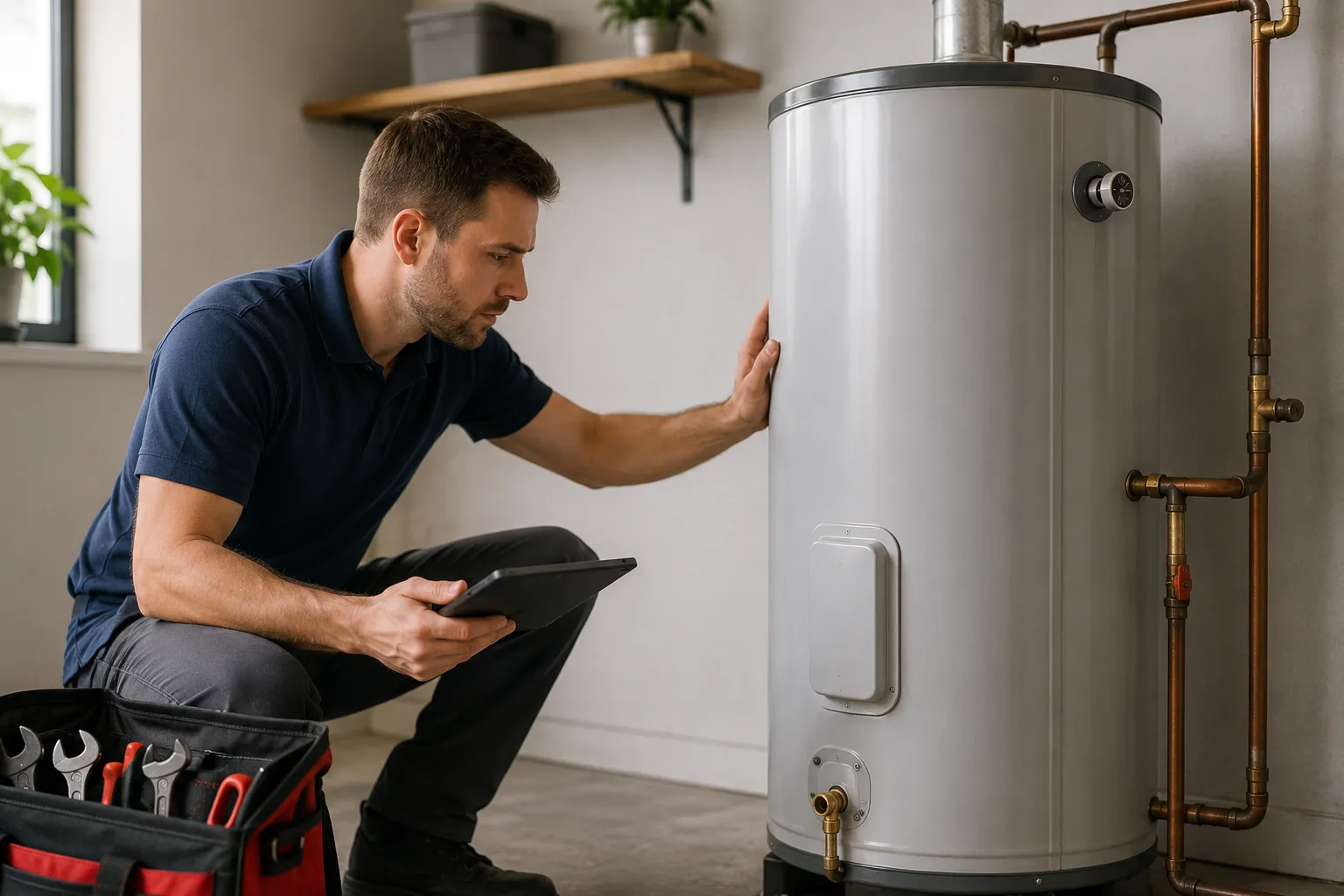
If the emergency involves your hot water system, turn off the unit according to the manufacturer's instructions. This can help prevent further leaks, pressure issues, or equipment damage while awaiting repairs.
Watch for Signs of Gas Leaks
Some plumbing emergencies involve gas lines. If you smell gas, hear hissing sounds, or suspect a gas leak:
- Turn off the gas supply if it is safe to do so.
- Avoid using electrical switches, appliances, or open flames.
- Open doors and windows to improve ventilation.
- Leave the property immediately.
- Contact emergency services and a licensed professional.
Gas leaks should always be treated as urgent safety hazards.
Take Photos for Documentation
If significant water damage has occurred, take photographs of the affected areas. This documentation may be useful for insurance claims and can help plumbers better understand the extent of the problem before beginning repairs.
Contact an Emergency Plumber
Many plumbing emergencies require professional expertise and specialised equipment. Contact a qualified emergency plumber as soon as possible. Provide clear details about the problem, including the location of the leak or blockage and any steps you have already taken.
Prompt professional intervention can prevent minor issues from becoming major and expensive repairs.
Prevent Future Plumbing Emergencies
While not all plumbing emergencies can be avoided, regular maintenance can significantly reduce the risk. Consider scheduling routine inspections, repairing small leaks promptly, monitoring water pressure, and keeping drains free from grease, food scraps, and other debris.
Preventive maintenance helps identify potential problems before they become emergencies.
Conclusion
A plumbing emergency can be stressful, but taking the right steps quickly can minimise damage and protect your property. Turning off the water supply, containing leaks, avoiding unsafe situations, and contacting a professional plumber are the most important actions you can take. By knowing how to respond effectively, you can reduce repair costs and restore your plumbing system as quickly as possible.



























Sign in to leave a comment.