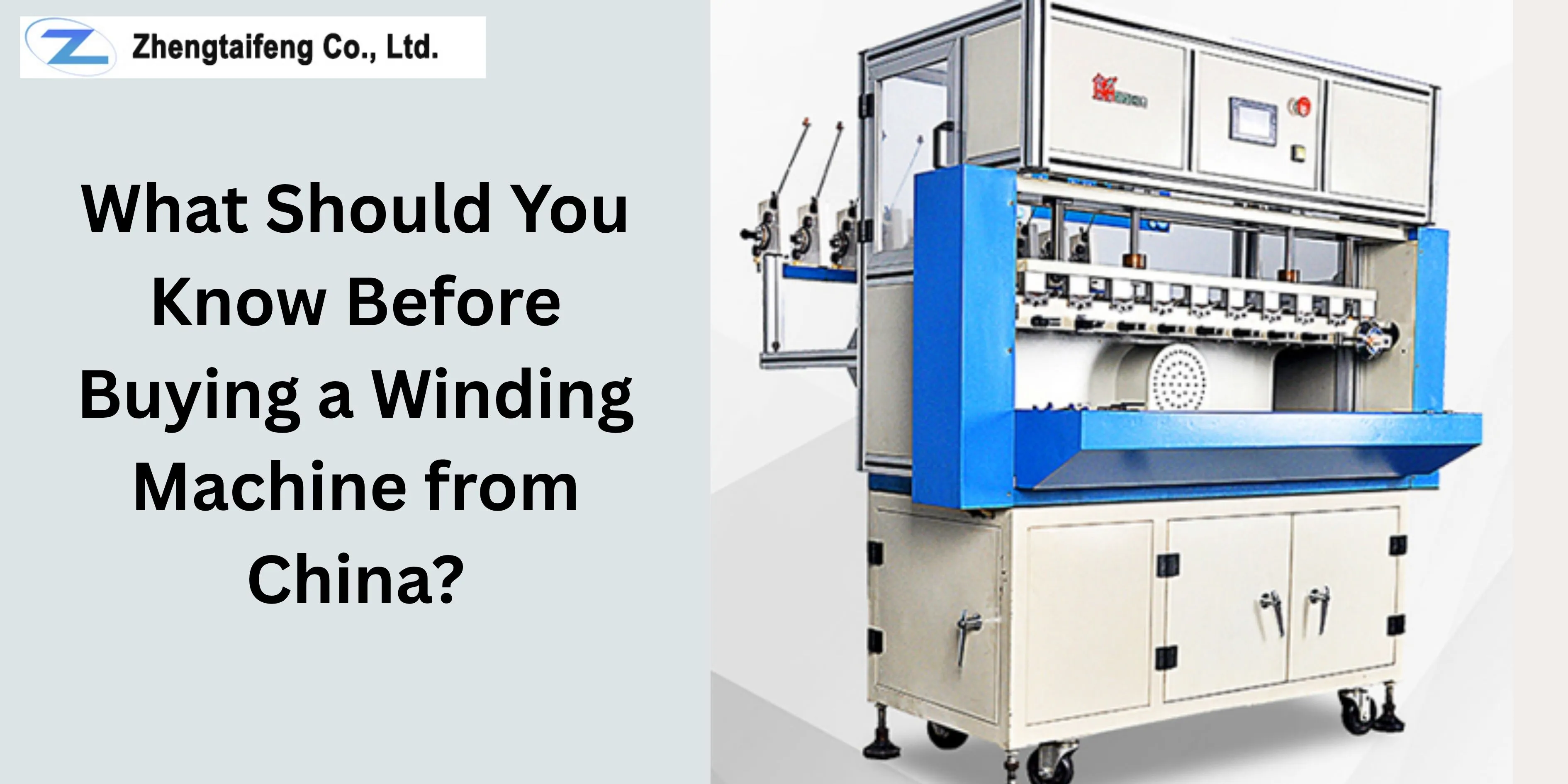

Buying a winding machine from China can be a smart move for manufacturers, startups, and industrial buyers looking for cost efficiency and advanced technology. China has become a global leader in winding equipment production, offering everything from basic manual units to highly automated CNC systems.
However, making the right purchase requires more than just comparing prices. A winding machine is a long-term investment that directly impacts productivity, quality, and operational costs. This guide will walk you through everything you need to know before making a decision, so you can buy with confidence.
Introduction
In industries such as electrical manufacturing, textiles, automotive, and electronics, winding machines play a critical role in ensuring precision and efficiency. From transformer coils to yarn and cables, the quality of winding directly affects final product performance.
China offers a wide range of winding machines at competitive prices, but buyers must carefully evaluate suppliers, specifications, and hidden costs. Businesses like Zhengtaifeng Co., Ltd, available at zhengtaifeng.com, provide specialized solutions in winding systems and related equipment, making them a strong option for buyers seeking reliability and customization.
This article breaks down key factors you should consider before purchasing a winding machine from China.
1. Understand Your Application Requirements First
Before you even start comparing machines, define your exact needs. This is the most important step.
Ask yourself:
- What material will you wind? Copper wire, yarn, cable, or film?
- What is the required winding speed and precision?
- What production volume do you need daily?
Choosing a machine without clearly defining these parameters can lead to inefficiency, material waste, and costly downtime. Experts emphasize that selecting the right machine depends on matching it to your production goals and technical requirements, not just price or appearance.
2. Types of Winding Machines Available
China offers a wide variety of winding machines designed for different industries. Some common types include:
- Coil winding machines
- Transformer winding machines
- Yarn and textile winding machines
- Motor winding machines
- Cable and wire winding machines
Each type comes with different configurations such as manual, semi automatic, or fully automatic systems.
Automation Levels
- Manual machines: Suitable for small-scale or low-budget operations
- Semi automatic machines: Balanced performance and affordability
- Fully automatic machines: Ideal for high-volume industrial production
Prices vary significantly depending on automation and features, ranging from a few hundred dollars to over $100,000 for high precision systems.
3. Evaluate Machine Specifications Carefully
When reviewing a winding machine, focus on technical specifications rather than marketing claims.
Key parameters include:
- Maximum winding speed (RPM)
- Wire diameter compatibility
- Tension control system
- Programmability and automation features
- Spindle configuration
Even small mismatches in these specifications can lead to poor output quality or machine inefficiency.
4. Check Supplier Credibility and Experience
China has thousands of suppliers, but not all offer the same quality.
Before choosing a manufacturer:
- Check certifications such as ISO or CE
- Review past client feedback
- Ask for case studies or references
- Verify factory capabilities
Working with an established company like Zhengtaifeng Co., Ltd ensures better quality control, engineering expertise, and after sales support. Their official website zhengtaifeng.com provides detailed insights into their product range and manufacturing capabilities.
5. Request Samples or Factory Inspection
If possible, always:
- Request sample outputs
- Conduct a virtual or physical factory inspection
- Ask for machine testing videos
This helps you verify actual performance instead of relying on brochures.
Many experienced buyers even visit factories before finalizing large orders to ensure transparency and avoid risks.
6. Understand Total Cost, Not Just Machine Price
One of the biggest mistakes buyers make is focusing only on the base price.
Hidden Costs to Consider:
- Shipping and logistics
- Import duties and taxes
- Installation and setup
- Training for operators
- Maintenance and spare parts
A low-cost machine may end up being expensive if maintenance or downtime costs are high. Always calculate the total cost of ownership before making a decision.
7. Customization and Flexibility
Modern manufacturing often requires tailored solutions.
Look for suppliers that offer:
- Custom machine configurations
- Adjustable winding parameters
- Modular upgrades
Chinese manufacturers are known for providing OEM and ODM services, allowing businesses to customize machines based on their production needs.
Zhengtaifeng Co., Ltd specializes in customized winding solutions, making them a valuable partner for businesses with unique requirements.
8. After Sales Support and Service
After sales service is often overlooked but extremely important.
Ensure your supplier provides:
- Technical support
- Spare parts availability
- Remote troubleshooting
- Installation assistance
Without proper support, even a high-quality machine can become unusable.
9. Quality Control and Certifications
Quality assurance is critical when buying industrial machinery.
Look for:
- CE certification
- ISO standards
- Performance testing reports
Reliable suppliers follow strict quality control processes to ensure consistent performance and safety.
10. Lead Time and Delivery Planning
Production timelines can be affected by delays in manufacturing or shipping.
Before placing an order:
- Confirm production lead time
- Understand shipping methods
- Plan for customs clearance
Proper planning ensures your operations are not disrupted.
11. Technology and Automation Features
Advanced winding machines come with modern features such as:
- CNC control systems
- Touchscreen interfaces
- Automatic tension control
- Real-time monitoring
These features improve efficiency, reduce errors, and increase production speed.
12. Long Term Reliability and Maintenance
A winding machine is not a short-term purchase. It should last for years.
Typical machine lifespan can range from 8 to 12 years with proper maintenance.
Check:
- Build quality
- Ease of maintenance
- Availability of replacement parts
Choosing a durable machine reduces long-term operational costs.
13. Communication and Language Support
Clear communication with your supplier is essential.
Make sure:
- The supplier has English-speaking support
- Documentation is provided in English
- Technical instructions are easy to understand
Poor communication can lead to misunderstandings and costly mistakes.
Conclusion
Buying a winding machine from China can be highly beneficial if done correctly. The key is to focus on quality, specifications, supplier credibility, and long-term value rather than just price.
By understanding your production needs, evaluating suppliers carefully, and considering total costs, you can make a smart investment that boosts efficiency and profitability.
Zhengtaifeng Co., Ltd, along with its official website zhengtaifeng.com, stands out as a reliable partner offering high-quality winding machines and customized solutions for various industries.
Take your time, do proper research, and choose a machine that aligns with your business goals for the best results.
FAQs
1. Why should I buy a winding machine from China?
China offers competitive pricing, advanced technology, and a wide range of options, making it a preferred sourcing destination for industrial machinery.
2. What is the average cost of a winding machine?
Prices can range from a few hundred dollars for manual machines to over $100,000 for advanced CNC systems depending on features and automation.
3. How do I verify a Chinese supplier?
Check certifications, request references, review customer feedback, and conduct factory inspections if possible.
4. Are Chinese winding machines reliable?
Yes, if purchased from reputable manufacturers like Zhengtaifeng Co., Ltd, they can offer excellent quality and performance.
5. What certifications should I look for?
Look for CE, ISO, and other industry-specific certifications to ensure safety and quality.
6. Can I customize a winding machine?
Yes, many Chinese manufacturers offer OEM and ODM customization options based on your requirements.
7. What are the hidden costs involved?
Shipping, import duties, installation, training, and maintenance costs should all be considered.
8. How long does delivery take?
Delivery time varies but typically includes production time plus shipping, which can take several weeks.
9. What industries use winding machines?
Industries include electrical, automotive, textile, electronics, and manufacturing sectors.
























Sign in to leave a comment.