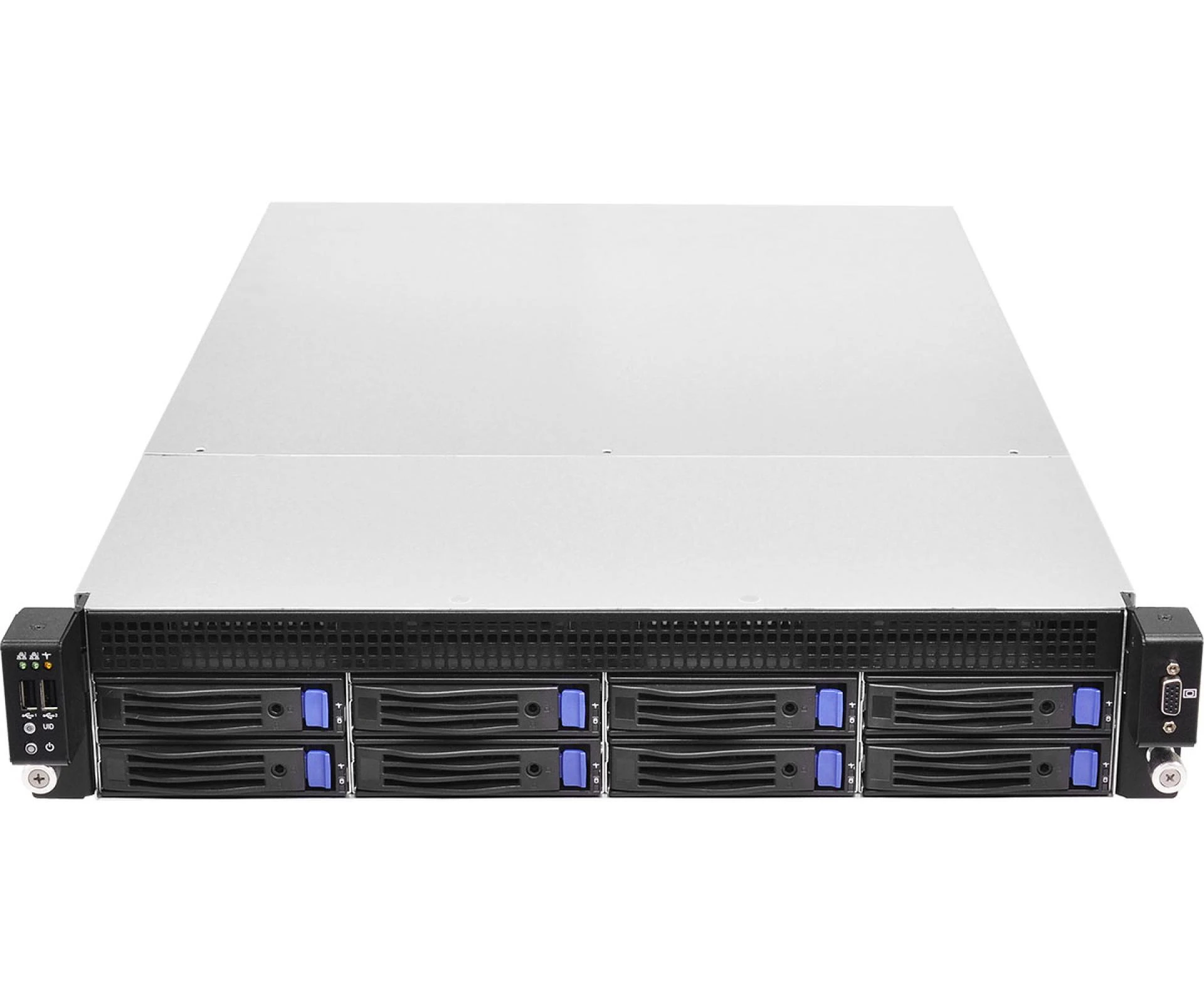

Large data centers store a large amount of data that requires high-performance, space-saving servers. When we talk about servers, 1U rack servers have become the talk of the town as they provide powerful computing solutions in a small form factor. Whether you want to deploy an edge application or are looking to build a high-performance cluster, consider a rack 1U server across your business infrastructure.
However, all the 1u servers are not similar. There are differences that are important to consider before buying 1U rack servers. Don’t make an impulsive decision. Here are some of the main things you need to consider and evaluate before buying a 1U rack server.
Let's talk to understand more!
1. Know What a 1U Rack Server Is First
The First and foremost thing is to understand your requirements. A 1U server is especially designed to fit in 175 a wide rack. U stands for unit. This small height helps it fit in a rack with other servers. It saves space and keeps things tidy.
Why Size Matters in a Rack Server
The size of the server lets you stack more servers in a small area. That means you can do more work using less space. It is like fitting many books on one shelf. This is good for small rooms or data centers
Before you buy a server, you must be clear about space. If your room is small, then 1U is perfect.
2. Check the Processor: It’s the Brain of the Server
The processor, also called the CPU, is the brain of the server. It does all the thinking and works all the time. If the brain is fast, your server will also be fast.
How to Choose the Right Processor
- Look for multi-core processors like Intel Xeon or AMD EPYC.
- Make sure it supports the latest software.
- Check if it can handle many tasks at once.
A good processor helps your server run websites, apps, and files smoothly. It will not hang or slow down. That’s why picking the right processor is very important.
3. RAM Makes Everything Faster
RAM stands for random access memory. It helps the server open files quickly and work faster. The more RAM, the better the speed.
Why RAM Is Important in a Server
- Helps open large files fast.
- Supports many users at once.
- Keeps performance smooth and steady.
Pick a server with at least 16GB RAM. You can even choose more based on your use. If you want to grow your business, then choose a server that lets you add more RAM later.
Do you know that rack servers occupy a larger segment of the data center market in Japan, accounting for more than 53% of the total market.
4. Storage Space Is the Warehouse of Data
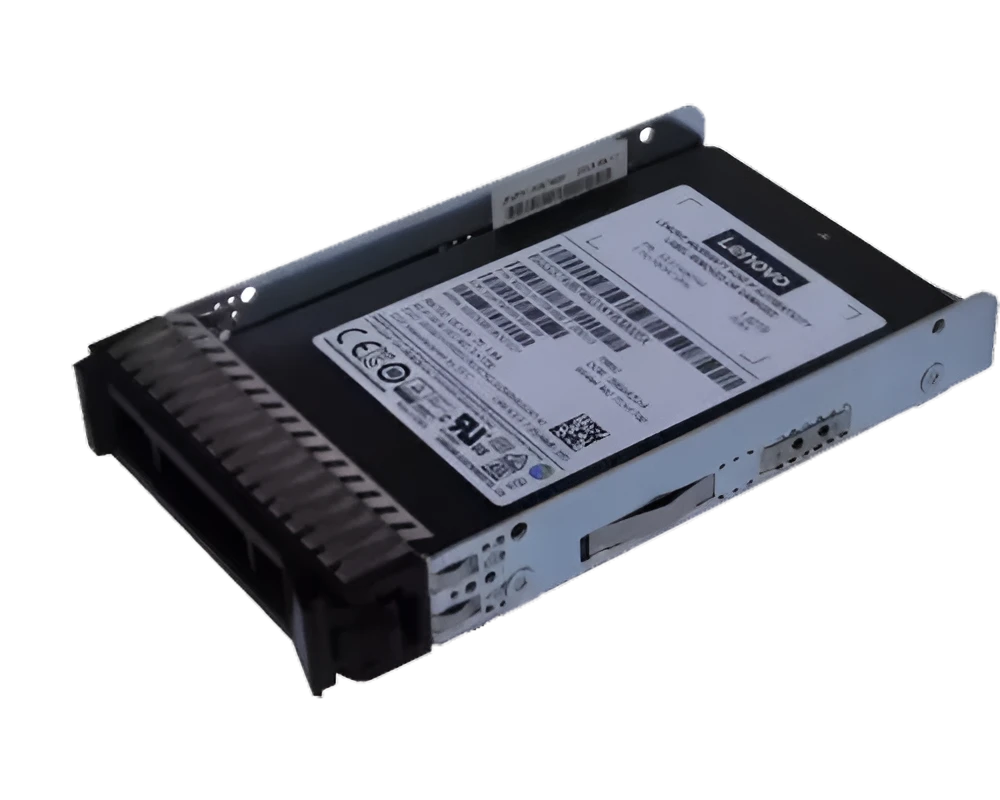
Storage is where you keep your files, photos, videos, and all your data. A server with strong storage can save more data without slowing down.
What to Look for in Storage
- Choose SSD for fast speed.
- Make sure it has at least 1TB of space.
- Look for options to add more drives later.
SSD means solid state drive. It works faster than old hard drives. If you want quick access and better safety, choose an SSD with 1TB or more space.
5. Network Connectivity Must Be Strong
A server connects to other computers using a network. This is how users send and receive data. If the connection is slow, the whole system becomes slow.
How to Check Network Features
- Look for at least one 1GbE port.
- Some servers also have 10GbE for faster speed.
- Choose servers that support multiple network ports.
A strong network port helps in fast file sharing and smooth internet use. Good speed keeps users happy, and work continues without delay.
6. Power Use and Cooling Keeps It Running Long
Servers work all day and all night. That is why they get hot and need cooling. They also use power all the time.
What to Look for in Power and Cooling
- Low power use saves money.
- Efficient fans keep the server cool.
- Check if it has a power supply backup.
Good cooling keeps the server safe from damage. And low power use means less electricity bill Always choose energy-efficient servers.
7. Easy Management Saves Time
Managing a server means updating software, checking health, and fixing problems. A server that is easy to manage saves your time.
Look for These Features in Server Management
- Remote control access.
- Built-in health check tools.
- Simple dashboard to see server status.
When you can manage your server easily, you will feel stress-free. You can fix problems from your home or office, which makes life easier for IT teams.
Conclusion
A 1U server offers a perfect mix of compact design and high performance. Whether you're looking for a rack server for a small business or a big data center, understanding your requirements is very important. From processors to memory capacity, choosing the perfect 1U rack server helps you build a scalable, reliable, and future-proof business infrastructure.


























Sign in to leave a comment.