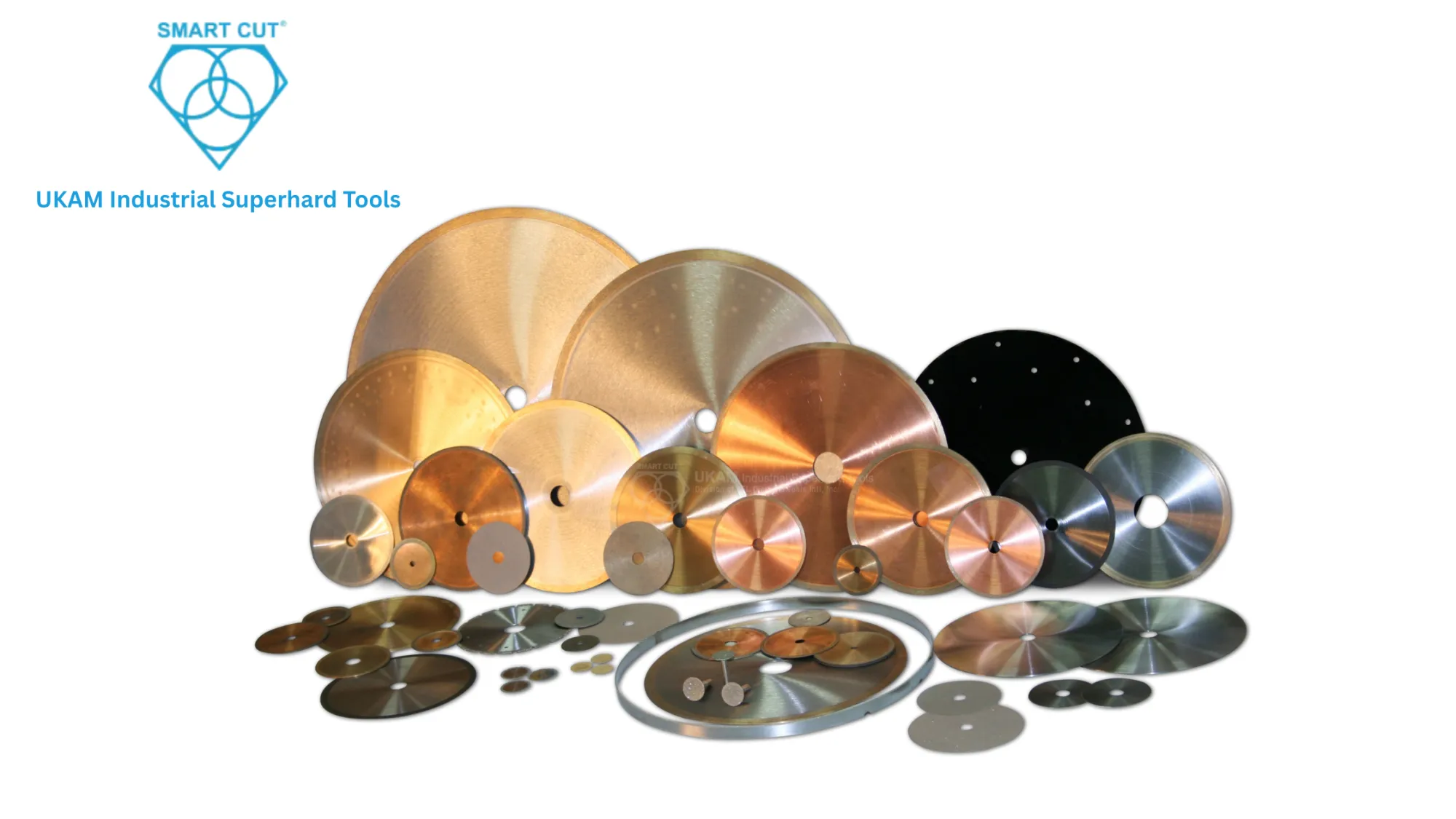

Precision cutting in semiconductor, materials science, and industrial applications demands specialized tooling that conventional blades simply cannot provide. Diamond wafering blades represent the gold standard for cutting thin, precise slices from hard, brittle, and sensitive materials. Whether you're in the semiconductor industry, research laboratory, or manufacturing facility, diamond wafering blades deliver the ultra-thin kerf width, minimal chipping, and exceptional dimensional accuracy required for demanding applications. These advanced cutting tools have revolutionized how professionals work with silicon wafers, gemstones, ceramics, and specialized materials, enabling precision that was previously impossible with traditional cutting methods.
Understanding Diamond Wafering Blade Technology
Diamond wafering blades differ fundamentally from general-purpose cutting tools. These specialized blades feature exceptionally thin steel cores—often just 0.010 to 0.030 inches thick—combined with a diamond-impregnated cutting edge. The thin core design minimizes material waste during cutting, creating narrow kerf widths that become critical when slicing expensive materials or maximizing yield from limited raw material.
The diamond particles bonded to the cutting edge perform the actual cutting through a grinding action rather than chip removal. This grinding mechanism produces minimal subsurface damage, making these blades ideal for materials prone to chipping or cracking during traditional cutting. The result is cleaner kerf walls, reduced material damage, and superior cut quality compared to conventional blade technologies.
Types of Diamond Wafering Blades
Electroplated Diamond Wafering Blades
Electroplated versions feature a single layer of precisely sized diamond particles bonded directly to the blade edge through an electrochemical plating process. This construction method allows manufacturers to control diamond particle size, concentration, and placement with exceptional precision. Electroplated wafering blades excel at cutting applications requiring minimal blade runout and excellent dimensional accuracy.
These blades work exceptionally well for single-pass cutting operations where surface finish quality is paramount. The uniform diamond distribution produces consistent cutting performance throughout the blade's service life, though the blade eventually becomes dull as the diamond particles wear away.
Sintered Diamond Wafering Blades
Sintered blades incorporate diamond particles within a metal matrix permanently bonded to the steel backing. This construction creates blades with superior longevity compared to electroplated versions. As the metal matrix gradually wears during cutting, fresh diamond particles continuously expose, maintaining consistent cutting performance throughout extended operational periods.
Sintered technology works particularly well for high-volume cutting applications where extended blade life justifies the higher initial cost. These blades can withstand greater cutting pressures and handle abrasive materials that would quickly destroy electroplated alternatives.
Vacuum-Brazed Diamond Wafering Blades
Vacuum brazing creates an exceptionally strong bond between diamond particles and the blade backing. This construction method produces the most durable wafering blades available, capable of handling aggressive cutting conditions and demanding production environments. Vacuum-brazed blades excel in applications requiring maximum blade longevity and consistent performance across large cutting volumes.
Key Applications Demanding Diamond Wafering Blades
Semiconductor Manufacturing
Silicon wafer production represents one of the most critical applications for diamond wafering blades. These blades cut silicon ingots into individual wafers with precise thickness tolerances, minimal subsurface damage, and clean kerf walls. The ultra-thin kerf minimizes material waste—a crucial economic factor when processing expensive semiconductor-grade silicon.
Gemstone and Diamond Processing
Professional gemstone cutters rely on diamond wafering blades for slicing valuable rough stones into workable blanks. The thin kerf design minimizes material waste, a critical consideration when processing expensive gemstones. These blades produce clean cuts through diamonds, sapphires, rubies, and other precious stones with minimal edge damage.
Optics and Glass Cutting
Precision cutting of optical glass, quartz, and specialized glass components requires exceptional accuracy and minimal subsurface damage. Diamond wafering blades deliver the clean cuts necessary for optical applications where surface quality directly impacts performance. These blades enable manufacturers to produce lens blanks, prisms, and optical windows with superior precision.
Composite Material Processing
Advanced composite materials used in aerospace and automotive applications present unique cutting challenges. Carbon fiber composites, fiberglass, and ceramic matrix composites require specialized cutting approaches to prevent delamination and fiber damage. Diamond wafering blades provide the precise cutting action needed to process these materials without compromising structural integrity.
Research and Materials Science
Laboratories and research institutions utilize diamond wafering blades for preparing precisely cut material samples. The ability to cut materials with exceptional accuracy and minimal damage makes these blades invaluable for scientific research where sample quality directly impacts experimental results.
Technical Specifications and Selection
Blade Thickness and Kerf Width
Blade thickness directly correlates with kerf width—thinner blades produce narrower kerfs and minimize material waste. Standard thicknesses range from 0.010 to 0.030 inches, with thinner options available for specialized applications. Narrower kerfs become increasingly important when cutting expensive materials where waste reduction directly impacts profitability.
Diamond Grit Size and Concentration
Grit size selection depends on desired cutting speed and surface finish quality. Finer grits (200-325 mesh) produce smoother surfaces with minimal chipping, while coarser grits (80-150 mesh) enable faster cutting. Diamond concentration affects both cutting speed and blade longevity—higher concentrations provide longer blade life but may cut more slowly.
Blade Diameter and Arbor Size
Available blade diameters typically range from 2 inches to 24 inches, accommodating various saw configurations and cutting depths. Arbor hole sizes must match your equipment precisely—common sizes include 5/8 inch, 1 inch, and metric equivalents. Verify arbor compatibility before purchasing to ensure proper blade mounting.
Bond Material Selection
The metal bond holding diamond particles must match the material being cut. Softer bonds work best with extremely hard materials like diamonds and ceramics, allowing the bond to wear and expose fresh diamonds. Harder bonds suit softer materials, preventing excessive diamond loss and extending blade life.
Optimization Techniques for Superior Performance
Proper Speed Selection
Cutting speeds profoundly impact performance, surface finish, and blade longevity. Silicon typically cuts effectively at 3,000-5,000 surface feet per minute (SFPM), while harder materials like ceramics may require 1,000-3,000 SFPM. Always consult manufacturer recommendations and adjust speeds based on cutting results and material type.
Feed Rate Management
Consistent, moderate feed rates produce optimal results. Excessive pressure accelerates blade wear and degrades cut quality, while insufficient pressure creates glazing and reduced cutting efficiency. Monitor cutting performance continuously and adjust feed rates to maintain smooth, vibration-free operation.
Coolant System Optimization
Effective coolant delivery is essential for diamond wafering blade performance. Coolant removes heat generated during cutting, carries away debris, and provides lubrication. Water-soluble synthetics work well for most applications, though some specialized materials benefit from specific coolant formulations. Ensure adequate coolant flow to the cutting zone at all times.
Maintenance and Blade Care
Professional Blade Dressing with Diamond Dressers
Over time, even premium wafering blades can develop glazed surfaces that reduce cutting efficiency. Professional maintenance using diamond dressers restores cutting performance by carefully removing glazed material and exposing fresh diamond particles. Proper dressing procedures maintain blade flatness while restoring optimal cutting action.
Dressing requires expertise and specialized equipment—improper dressing can damage the blade beyond repair. Consider professional dressing services for expensive, precision-ground wafering blades where restoration costs less than replacement.
Blade Storage and Handling
Store wafering blades vertically or lay them flat on clean, protective surfaces. Avoid stacking heavy objects on blades, which can cause warping. Keep blades away from moisture and corrosive environments to prevent rust on the steel backing. Inspect blades before each use for cracks, missing diamond segments, or warping that could compromise performance or safety.
Identifying Blade Wear
Replace blades when cutting speed decreases noticeably, vibration increases, or surface finish quality degrades. Some applications may benefit from blade replacement before complete wear to maintain consistent production quality. Calculate blade replacement costs against downtime and rework expenses when deciding optimal replacement timing.
Cost-Benefit Analysis and ROI
Diamond wafering blades represent significant initial investments compared to conventional cutting tools. However, the superior precision, extended blade life, and dramatically reduced material waste often justify premium pricing when calculating true cost of ownership.
Consider multiple factors: blade longevity, cutting speed, material waste reduction, and labor efficiency. A premium blade costing three times more but lasting five times longer while producing superior cut quality typically delivers substantial economic advantage. When working with expensive materials, the waste reduction alone often justifies premium blade costs.
Frequently Asked Questions
What materials can diamond wafering blades cut?
These specialized blades excel at cutting silicon wafers, gemstones, ceramics, glass, composites, and other hard, brittle, or sensitive materials requiring precision and minimal damage.
How thin can diamond wafering blades cut?
Advanced blades can achieve kerf widths as narrow as 0.010 inches, minimizing material waste during precision cutting operations.
What's the typical lifespan of diamond wafering blades?
Lifespan varies significantly based on material hardness, cutting speeds, and maintenance practices, ranging from dozens to thousands of linear feet of cutting.
Can diamond wafering blades be resharpened?
Electroplated blades cannot be effectively resharpened, but sintered and vacuum-brazed blades can be maintained through professional dressing procedures.
How do I prevent chipping during wafering operations?
Optimize cutting speed and feed rate, maintain adequate coolant flow, and ensure proper blade tensioning to minimize vibration that causes chipping.
Are diamond wafering blades suitable for dry cutting?
Most applications require coolant for optimal performance, though some specialized dry-cutting variations exist for specific materials and applications.
Conclusion
Diamond wafering blades represent essential precision cutting technology for industries demanding exceptional accuracy, minimal material waste, and superior cut quality. By understanding blade construction, selecting appropriate specifications for your materials, and implementing proper operational protocols and maintenance procedures, you'll achieve outstanding cutting results while maximizing blade performance and return on investment in your cutting operations.






















Sign in to leave a comment.