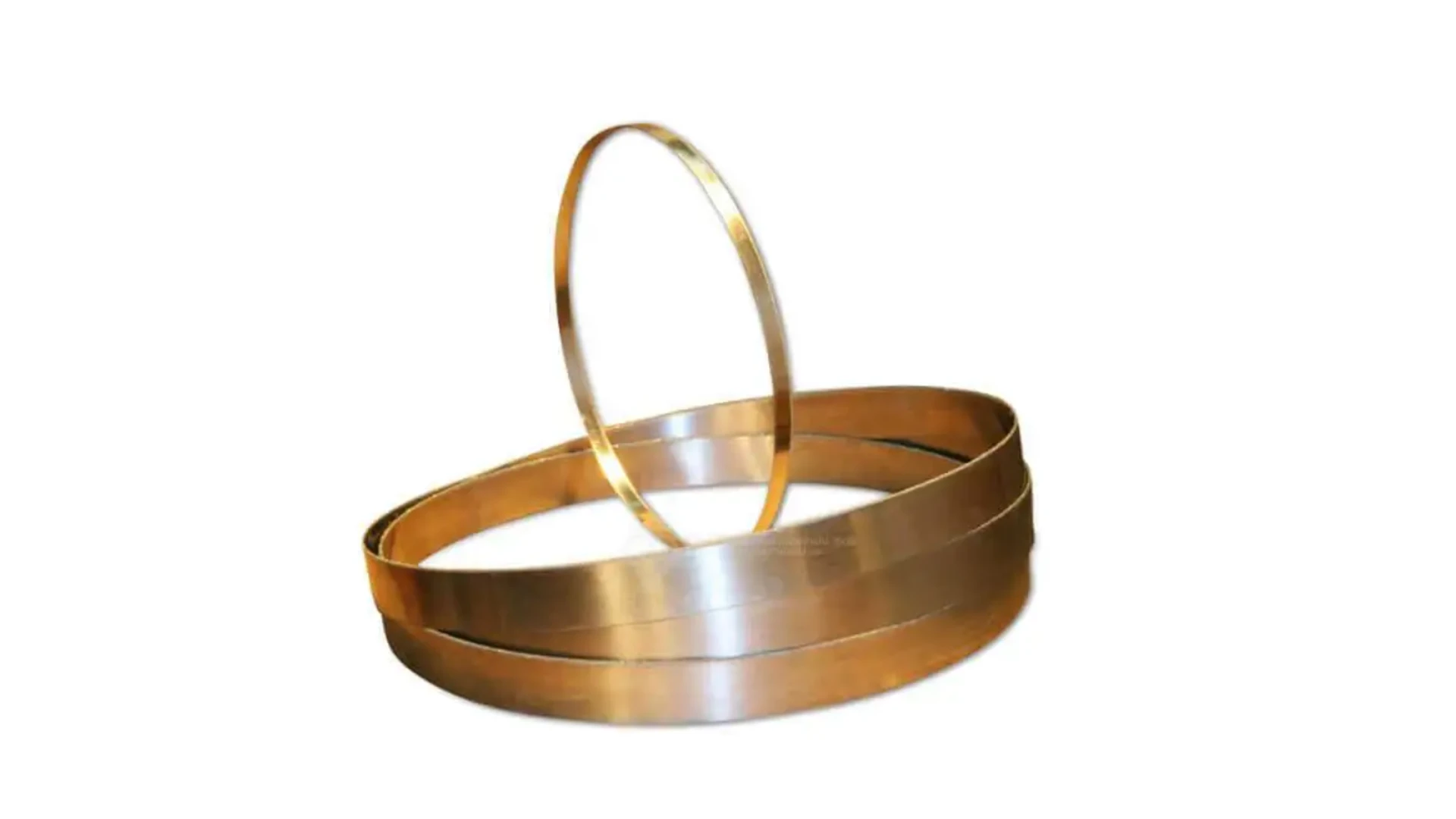

In the world of industrial cutting and material processing, the diamond band saw blade has emerged as an indispensable tool for professionals working with hard-to-cut materials. From aerospace manufacturing to geological research laboratories, these specialized cutting tools deliver unparalleled precision and efficiency when slicing through ceramics, composites, glass, stone, and advanced technical materials. Understanding the capabilities, selection criteria, and proper application of diamond band saw blades can significantly enhance productivity, reduce material waste, and improve cut quality across diverse industrial applications.
Understanding Diamond Band Saw Technology
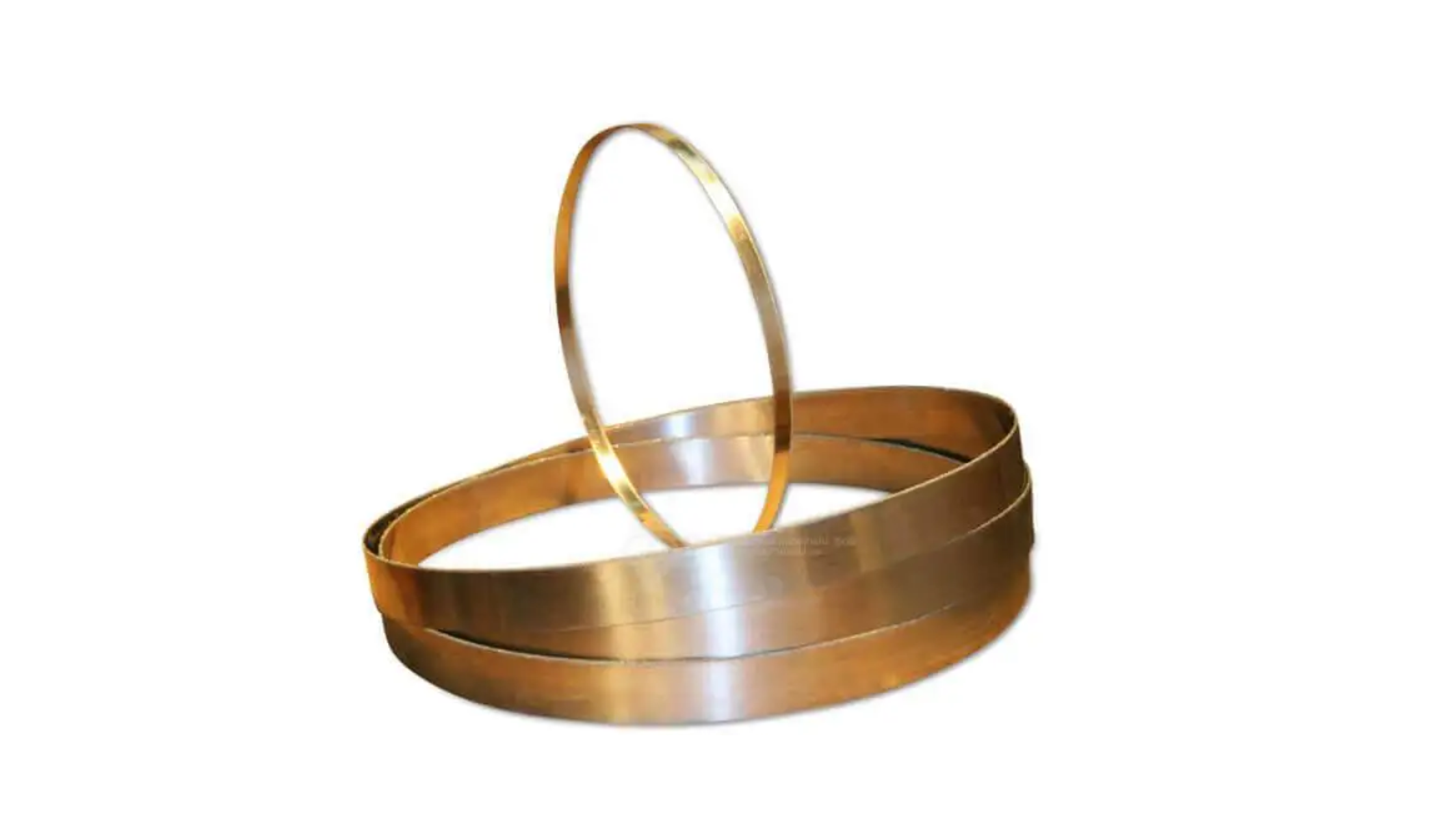
A diamond band saw blade combines the continuous cutting action of traditional band saw technology with the exceptional hardness and wear resistance of industrial diamonds. Unlike conventional toothed band saw blades that rely on sharp teeth to remove material, diamond band saws utilize diamond particles embedded in a metal matrix along the blade's cutting edge. This design allows the blade to grind through extremely hard materials that would instantly destroy standard cutting tools.
The blade consists of a flexible steel backing band with diamond segments or a continuous diamond edge attached to one side. This construction provides the flexibility needed to navigate the band saw's wheel system while maintaining the rigidity required for precise, straight cuts. The diamond cutting edge can be applied through various manufacturing processes, each offering distinct advantages for specific applications.
Types of Diamond Band Saw Blades
Electroplated Diamond Band Saw Blades
Electroplated blades feature a single layer of diamond particles bonded directly to the steel band through an electroplating process. These blades offer aggressive cutting action and are particularly effective for softer materials or applications requiring fast material removal. The exposed diamond crystals provide immediate cutting capability without requiring a break-in period, making them ideal for production environments where downtime must be minimized.
Sintered Diamond Band Saw Blades
Sintered blades incorporate diamond particles within a metal matrix that is permanently bonded to the backing band through high-temperature sintering. This construction method creates a blade with multiple layers of diamond particles, resulting in significantly longer service life compared to electroplated varieties. As the outer layer wears away during cutting, fresh diamonds are continuously exposed, maintaining consistent cutting performance throughout the blade's lifespan.
Vacuum Brazed Diamond Band Saw Blades
Vacuum brazing represents an advanced bonding technology that creates an exceptionally strong connection between diamond particles and the backing band. These blades combine the aggressive cutting characteristics of electroplated blades with durability approaching sintered designs. The vacuum brazing process produces a blade that resists diamond pull-out even under demanding cutting conditions.
Applications Across Industries
Aerospace and Composite Materials
Diamond band saw blades excel in cutting advanced composite materials used in aerospace manufacturing, including carbon fiber reinforced polymers, fiberglass composites, and honeycomb structures. The diamond cutting edge produces clean cuts without delamination or fraying that often occurs with conventional cutting methods. These characteristics are essential when working with expensive aerospace-grade materials where waste must be minimized.
Geological and Materials Research
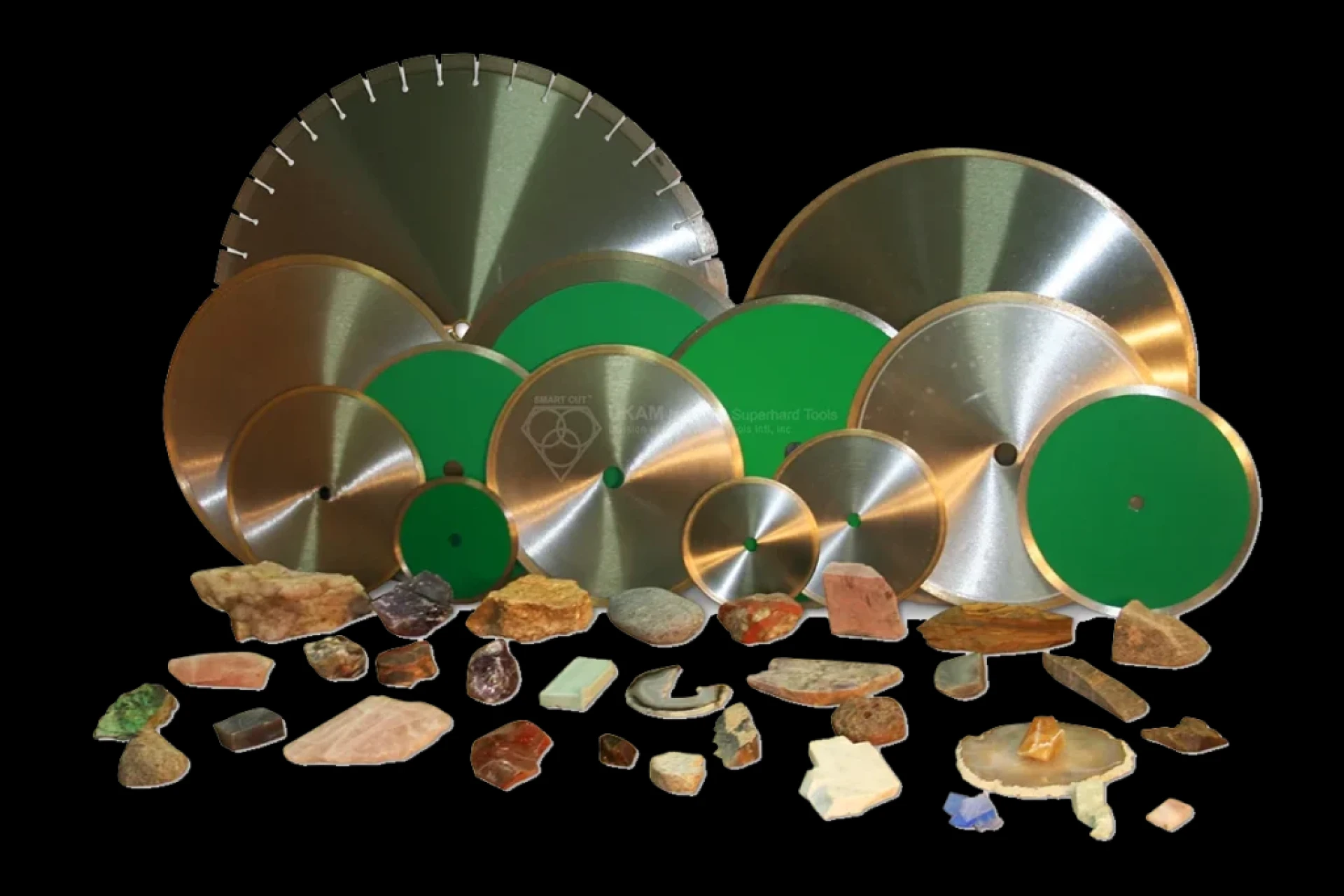
Research laboratories rely on diamond band saws for preparing geological samples, cutting core samples, and sectioning various materials for analysis. The precision and clean cuts produced by these blades preserve sample integrity and minimize preparation time. Many laboratory cutting blades are specifically designed to meet the exacting requirements of scientific research applications.
Glass and Ceramics Processing
The glass and ceramics industries depend on diamond band saw technology for cutting technical ceramics, quartz, optical glass, and other brittle materials. The grinding action of diamond particles reduces chipping and cracking compared to traditional sawing methods, resulting in higher yields and reduced post-processing requirements.
Stone and Building Materials
Natural stone fabricators, tile manufacturers, and construction material processors use diamond band saws for cutting granite, marble, engineered stone, concrete, and brick. The blades' ability to handle abrasive materials while maintaining cut accuracy makes them invaluable in these applications.
Selecting the Right Diamond Band Saw Blade
Grit Size Considerations
Diamond grit size significantly impacts cutting performance and surface finish quality. Coarser grits (60-120) provide faster cutting speeds and are suitable for rough cutting or materials that don't require fine finishes. Medium grits (120-180) offer a balance between cutting speed and finish quality for general-purpose applications. Fine grits (180-400+) produce superior surface finishes but cut more slowly, making them ideal for precision work or preparing samples for microscopic examination.
Bond Type Selection
The bond matrix holding diamond particles must be matched to the material being cut. Softer bonds work best with hard, abrasive materials because they wear away at an appropriate rate, continuously exposing fresh diamond particles. Harder bonds suit softer, less abrasive materials, preventing premature diamond loss and extending blade life.
Blade Width and Thickness
Band saw blade width determines the minimum radius for curved cuts and affects blade stability. Wider blades provide straighter cuts and greater beam strength for cutting thick materials. Blade thickness impacts kerf width and material loss—thinner blades waste less material but may lack rigidity for certain applications.
Blade Length Requirements
Blade length must match your specific band saw model. Measure carefully or consult your machine's specifications, as an incorrect length will prevent proper tensioning and tracking. Most suppliers can custom-manufacture blades to exact length specifications.
Operating Parameters for Optimal Performance
Cutting Speed Optimization
Surface speed, measured in surface feet per minute (SFPM) or meters per minute, critically affects cutting performance and blade life. Excessive speed generates heat that can damage both the blade and workpiece, while insufficient speed reduces cutting efficiency. General guidelines suggest 1,000-2,500 SFPM for most materials, but specific recommendations vary based on material hardness and blade specifications.
Feed Rate Management
Feed rate determines how quickly material advances into the blade. Proper feed rate balances cutting speed with blade life—too aggressive feeding increases wear and can overload the blade, while excessive caution wastes time and may cause glazing. Listen to the cutting sound and monitor chip formation to establish optimal feed rates for different materials.
Coolant Application
Most diamond band saw applications benefit from coolant or lubricant to control temperature, reduce friction, and flush away cutting debris. Water-based coolants work well for most applications, though some materials require specialized cutting fluids. Ensure adequate coolant flow reaches the cutting zone, as insufficient cooling is a primary cause of premature blade failure.
Blade Tension Settings
Proper blade tension ensures straight cuts and prevents blade wandering. Under-tensioning causes poor cut quality and accelerated blade wear, while over-tensioning can damage the blade backing or band saw wheels. Follow your machine manufacturer's recommendations for tension settings appropriate to blade width and thickness.
Maintenance and Blade Life Extension
Regular Inspection Protocols
Inspect blades before each use for signs of damage, excessive wear, or diamond segment loss. Check blade tracking to ensure proper alignment on the band saw wheels. Address any abnormalities immediately to prevent catastrophic failure during operation.
Cleaning Procedures
Material buildup on blade surfaces reduces cutting efficiency and can cause overheating. Clean blades regularly using appropriate solvents or cleaning solutions. For persistent buildup, ultrasonic cleaning or specialized blade cleaning equipment may be necessary.
Blade Dressing Techniques
When diamond blades begin to glaze or lose cutting efficiency, dressing can restore performance. Use an abrasive dressing stick or soft, abrasive material to remove glazed bond material and expose fresh diamond particles. This process can significantly extend blade life between replacements.
Storage Best Practices
Store unused blades in a clean, dry environment away from corrosive chemicals or extreme temperatures. Coil blades carefully to prevent kinking or developing memory that affects tracking. Consider hanging storage to prevent flat spots from developing during extended storage periods.
Safety Considerations and Best Practices
Operating diamond band saws requires adherence to strict safety protocols. Always wear appropriate personal protective equipment, including safety glasses, hearing protection, and cut-resistant gloves, when handling blades. Ensure blade guards are properly positioned and functional before beginning operations.
Never exceed the manufacturer's maximum operating speed, as overspeeding can cause blade failure with potentially dangerous consequences. Secure workpieces firmly using appropriate clamping or fixturing to prevent movement during cutting. Inspect band saw wheels regularly for damage or excessive wear that could affect blade performance or safety.
Implement lockout/tagout procedures when changing blades or performing maintenance. Keep the work area clean and well-lit to prevent accidents. Provide adequate ventilation when cutting materials that may produce hazardous dust or fumes.
Cost Analysis and Return on Investment
While diamond band saw blades represent a significant investment compared to conventional cutting tools, their superior performance often delivers an excellent return on investment. Consider the total cost of ownership rather than focusing solely on the initial purchase price. Factors to evaluate include blade longevity, cutting speed, material waste reduction, and labor costs.
High-quality diamond band saws can cut hundreds or thousands of pieces before requiring replacement, depending on material hardness and cutting conditions. This longevity often offsets the higher upfront cost. Additionally, the precision and speed of diamond cutting reduce labor hours and improve throughput, generating savings that accumulate over time.
Frequently Asked Questions
How long does a diamond band saw blade typically last?
Lifespan varies dramatically based on materials cut and operating conditions, ranging from weeks to months in continuous production environments.
Can diamond band saw blades cut metal?
While possible for some non-ferrous metals, these blades are optimized for non-metallic materials and not recommended for steel cutting.
What causes premature blade failure?
Common causes include excessive speed, inadequate cooling, improper tension, and cutting materials harder than the blade's design specifications.
How do I know when to replace my blade?
Replace blades when cutting speed significantly decreases, excessive vibration occurs, or visible damage to the diamond segments appears.
Are diamond band saw blades suitable for curved cuts?
Yes, though the curve radius is limited by blade width—narrower blades can navigate tighter curves than wider ones.
Conclusion
The diamond band saw represents a powerful solution for cutting challenging materials across numerous industries. By understanding blade construction, selecting appropriate specifications, and implementing proper operating procedures, professionals can maximize cutting performance while extending blade life and ensuring consistent, high-quality results in their material processing operations.




























Sign in to leave a comment.