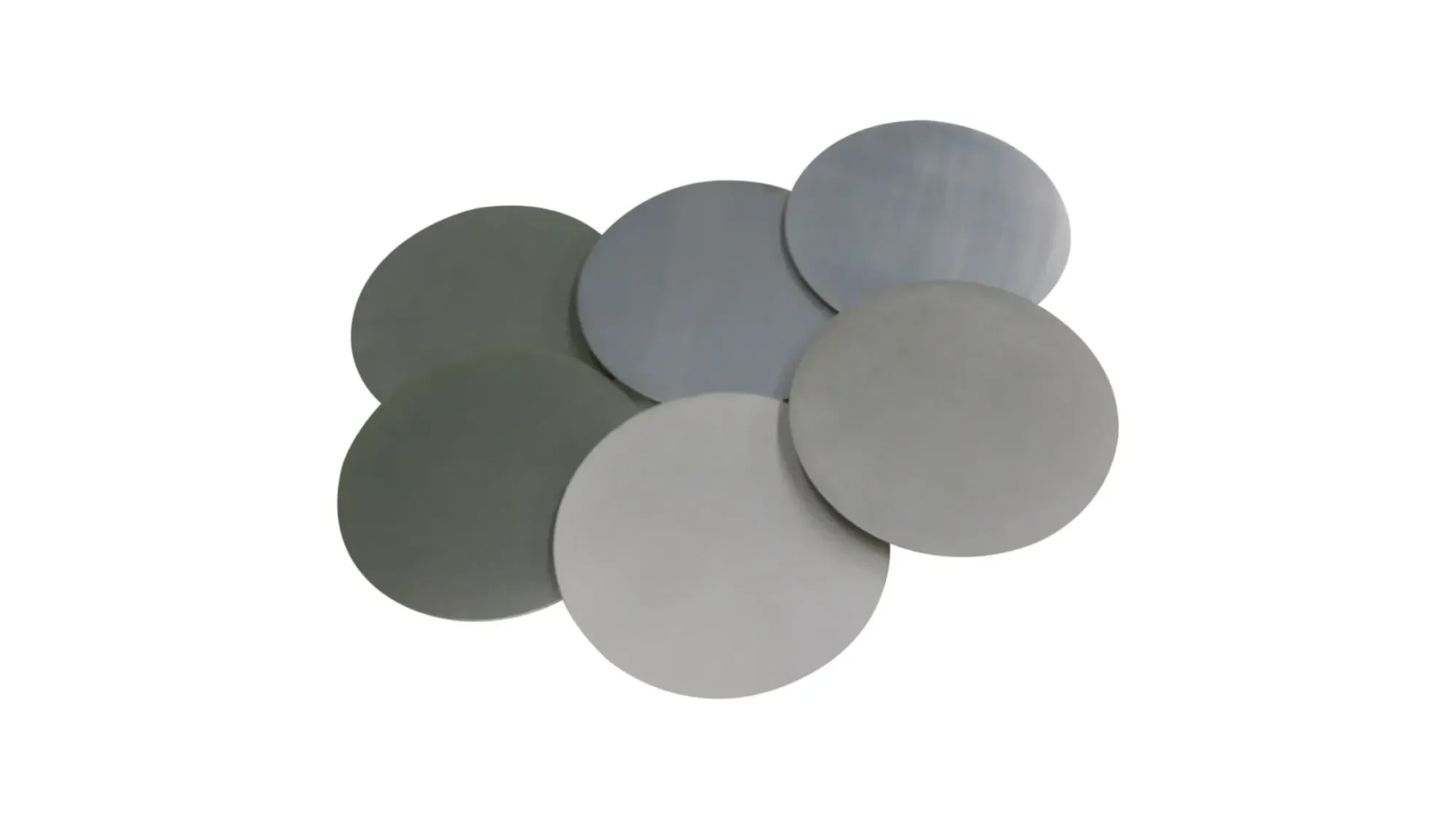

In the world of materials science and quality control, achieving precise sample preparation is fundamental to accurate metallographic analysis. The diamond metallographic disc has emerged as an indispensable tool for laboratories, research facilities, and manufacturing plants that demand consistent, high-quality surface preparation across diverse materials. These specialized grinding discs enable metallographers and materials scientists to prepare samples with exceptional flatness and minimal surface damage, ensuring reliable microstructural examination and accurate material characterization that forms the basis of critical quality decisions.
Understanding Diamond Metallographic Discs
Diamond metallographic discs are precision-engineered abrasive tools designed specifically for grinding and preparing metallographic specimens. These discs feature industrial diamond particles bonded to a rigid backing plate, creating a flat, consistent grinding surface that removes material efficiently while maintaining specimen geometry. Unlike conventional abrasive papers that wear quickly and require frequent replacement, diamond discs offer extended service life and superior grinding consistency, making them the preferred choice for high-volume laboratories and applications requiring stringent surface preparation standards.
The construction of these discs incorporates carefully selected diamond concentrations, grit sizes, and bonding matrices tailored to specific material types and preparation requirements. This engineering precision ensures optimal material removal rates while minimizing subsurface deformation that could compromise subsequent metallographic examination.
Types of Diamond Metallographic Discs
Metal Bond Diamond Discs
Metal bond discs represent the most durable option for metallographic preparation. These discs feature diamond particles embedded in a metallic matrix, typically bronze or other metal alloys. The metal bond provides exceptional wear resistance and maintains flatness throughout extended use, making them ideal for grinding hard materials like carbides, ceramics, and hardened steels. The rigid structure prevents dish-shaped wear patterns that can compromise specimen planarity.
Resin Bond Diamond Discs
Resin-bonded discs incorporate diamond particles in a polymer matrix, offering a slightly softer grinding action compared to metal bonds. These discs excel when preparing softer metals, composites, and materials prone to smearing or embedding. The resin bond releases diamond particles more readily, preventing loading and maintaining consistent cutting action across diverse material hardness ranges.
Electroplated Diamond Discs
Electroplated discs feature a single layer of diamond particles attached to the substrate through electroplating. While offering the most aggressive material removal, these discs have a shorter operational life. They're particularly effective for rapid stock removal during initial grinding stages or when working with extremely hard materials requiring aggressive cutting action.
Key Components of Metallography Consumables
Diamond Grit Selection
Grit size fundamentally impacts grinding performance and surface finish quality. Coarse grits (120-220) enable rapid material removal during initial grinding stages, while fine grits (600-1200) prepare surfaces for polishing. Progressive grit sequences ensure efficient material removal without introducing excessive subsurface damage that subsequent steps must eliminate.
Disc Diameter and Backing Plates
Standard disc diameters range from 200mm to 300mm, matching common metallographic grinding equipment. Backing plates provide mounting interfaces and structural support, with magnetic, adhesive, or mechanical attachment systems accommodating different equipment configurations.
Cooling and Lubrication Requirements
Most diamond discs require water cooling during operation to manage heat generation, flush away grinding debris, and prevent specimen overheating. Proper coolant delivery ensures consistent grinding performance and extends disc life by preventing diamond particle pullout and thermal damage.
Applications Across Industries
Aerospace Materials Analysis
Aerospace manufacturers rely on diamond metallographic discs for preparing titanium alloys, nickel-based superalloys, and composite materials. These demanding applications require exceptional surface preparation to reveal grain structures, phase distributions, and potential defects that could compromise component integrity under extreme operating conditions.
Automotive Quality Control
Automotive laboratories use these discs extensively for preparing samples of cast iron, aluminum alloys, and advanced high-strength steels. Consistent sample preparation enables accurate assessment of microstructural features affecting mechanical properties, wear resistance, and component performance.
Electronics and Semiconductor Manufacturing
The electronics industry employs diamond discs for preparing cross-sections of integrated circuits, printed circuit boards, and solder joints. The precision grinding capabilities reveal intricate layer structures and interface characteristics critical for failure analysis and process optimization.
Mining and Geology
Geological laboratories utilize diamond metallographic discs for preparing mineral specimens, core samples, and ore analysis. The ability to grind extremely hard materials like quartz, corundum, and various mineral phases makes diamond discs essential for petrographic studies and resource assessment.
Selecting the Right Diamond Metallographic Disc
Material Hardness Matching
Match disc specifications to specimen hardness characteristics. Softer materials benefit from finer diamond concentrations and harder bonds, preventing excessive diamond release. Harder materials require higher diamond concentrations and softer bonds, allowing continuous exposure of fresh cutting particles.
Surface Finish Requirements
Consider the target surface finish when selecting grit progression. Applications requiring minimal surface damage for subsequent etching demand finer finishing grits, while routine sample preparation may require fewer grinding steps with coarser final grits.
Laboratory Throughput Needs
High-volume laboratories benefit from metal bond discs offering extended service life and consistent performance across hundreds of specimens. Lower-volume facilities might prioritize resin bond discs, providing versatility across diverse material types with single disc inventories.
Proper Usage Techniques
Grinding Pressure and Speed
Apply consistent, moderate pressure during grinding operations. Excessive pressure increases heat generation, accelerates disc wear, and may introduce unwanted specimen damage. Maintain manufacturer-recommended disc speeds, typically 150-300 RPM for most applications, ensuring optimal diamond engagement without overheating.
Specimen Orientation and Movement
Rotate specimens 90 degrees between grinding steps to remove scratches from previous operations. Employ figure-eight or circular motion patterns, distributing wear evenly across the disc surface and preventing localized wear patterns that compromise flatness.
Coolant Management
Ensure adequate coolant flow reaches the grinding interface. Insufficient cooling causes specimen overheating, diamond particle pullout, and inconsistent grinding performance. Monitor coolant cleanliness, replace contaminated coolant, preventing recirculated debris from scratching specimens.
Maintenance and Disc Conditioning
Cleaning Procedures
Clean discs regularly using appropriate solvents or ultrasonic cleaning systems, removing embedded material and residue. Accumulated debris reduces grinding efficiency and can contaminate subsequent specimens. Establish cleaning protocols based on material types and grinding volume.
Disc Dressing and Reconditioning
Periodically dress disc surfaces using conditioning sticks or diamond dressing tools. This process removes glazed metal matrix, exposes fresh diamond particles, and restores cutting efficiency. Proper dressing extends disc life significantly and maintains consistent grinding performance.
Storage Best Practices
Store discs flat in protective cases, preventing warping and edge damage. Avoid stacking discs directly on top of each other without protective separators. Control storage environment humidity, preventing rust formation on metal components and degradation of adhesive backing systems.
Integration with Complete Sample Preparation Workflows
Diamond metallographic discs function as critical components within comprehensive metallography consumables systems. Effective sample preparation requires coordinated selection of grinding discs, polishing cloths, diamond suspensions, and mounting materials optimized for specific material types and analysis requirements. Understanding how disc selection impacts subsequent polishing stages ensures efficient workflows, producing consistently high-quality metallographic specimens.
Cost Considerations and ROI
Premium diamond metallographic discs represent significant investments, but deliver substantial value through extended service life and superior preparation quality. Calculate the total cost of ownership, including disc longevity, labor time savings, and result consistency, rather than focusing solely on purchase price. High-quality discs often process hundreds of specimens before replacement, while economy options may require frequent replacement after dozens of samples.
Frequently Asked Questions
How long does a diamond metallographic disc typically last?
Service life varies dramatically based on materials processed and usage intensity, ranging from 100 to over 1000 specimens per disc.
Can one disc work for all materials?
While versatile discs exist, optimal results require matching disc specifications to the material's hardness range and preparation requirements.
What causes premature disc wear?
Excessive grinding pressure, inadequate cooling, improper disc speed, and failure to dress glazed surfaces commonly cause accelerated wear.
How do I know when to replace a disc?
Replace discs when grinding efficiency decreases significantly, visible diamond loss occurs, or flatness deteriorates, affecting specimen planarity.
Are diamond discs compatible with all grinding equipment?
Most standard metallographic grinders accommodate diamond discs, though mounting systems vary and require appropriate backing plate selection.
Conclusion
Diamond metallographic discs revolutionize sample preparation through superior consistency, extended service life, and exceptional grinding performance across diverse materials. By selecting appropriate disc specifications, implementing proper usage techniques, and maintaining discs correctly, laboratories achieve reliable metallographic results supporting critical materials analysis and quality control decisions.












![The Benefits of Using a CNC Touch Probe [Infographic]](https://writeupcafe.com/data/post/1677697/bfdf3e040e67936848aa232d2dfe3d03.jpg.webp)









Sign in to leave a comment.