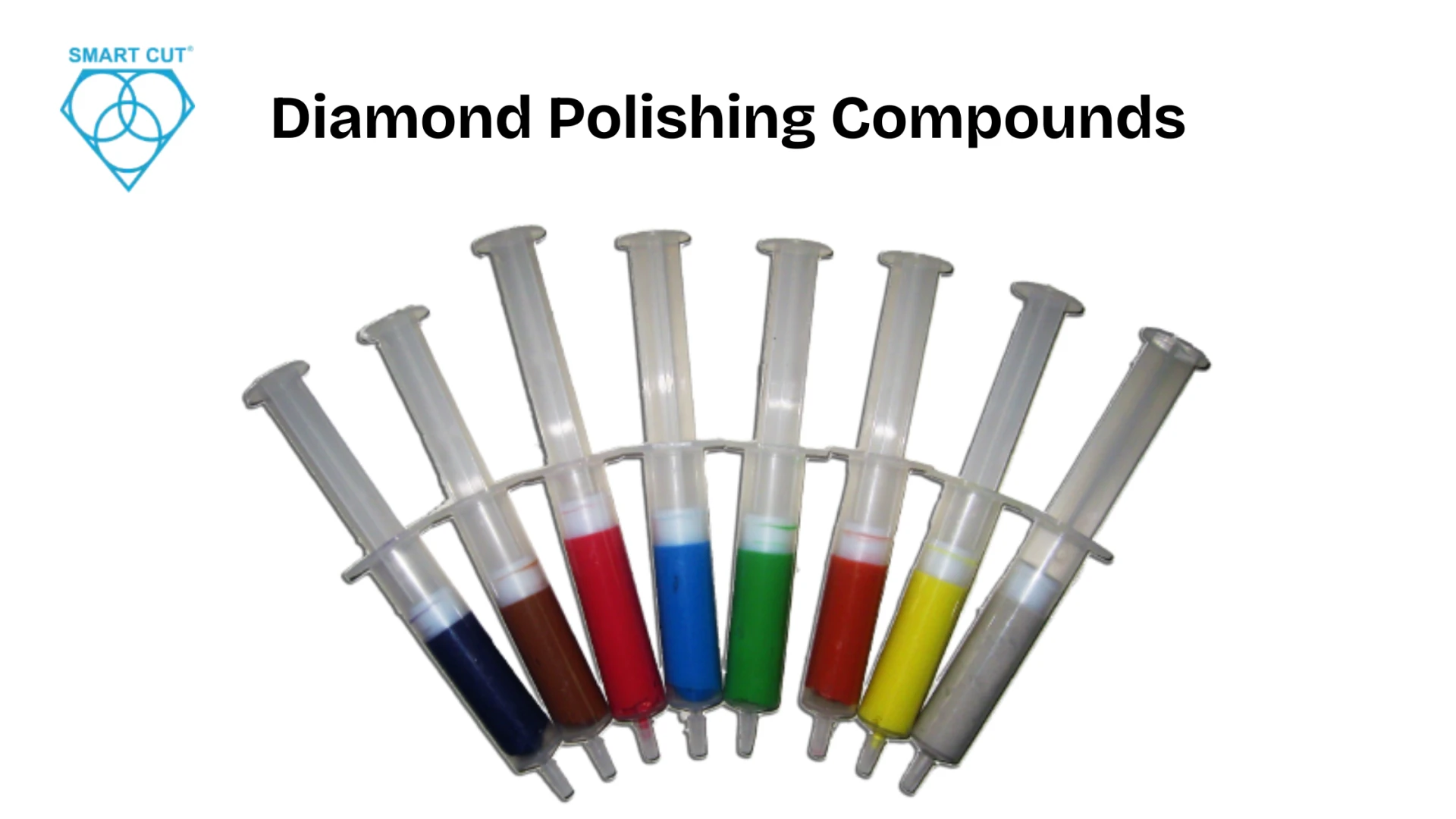

When it comes to achieving a mirror-like finish on hard materials, compound diamond products stand as the industry's gold standard. These specialized polishing agents combine industrial-grade diamond particles with carefully formulated carriers to deliver unmatched precision and efficiency across countless applications. Whether you're working with metals, ceramics, glass, or composite materials, understanding how diamond compounds work can dramatically improve your finishing results.
Diamond compounds have revolutionized surface finishing processes across manufacturing, jewelry making, metallography, and precision engineering industries. Unlike conventional abrasives that wear down quickly and produce inconsistent results, diamond compounds maintain their cutting ability throughout the polishing process, ensuring uniform surface quality and reducing overall processing time.
What Are Diamond Compounds?
Diamond compounds are precision-engineered polishing agents that consist of synthetic or natural diamond particles suspended in various carrier mediums. These carriers can be oil-based, water-based, or paste formulations, each designed for specific applications and materials. The diamond particles range from coarse grits measuring several microns to ultra-fine submicron sizes that produce near-optical finishes.
The manufacturing process involves carefully grading diamond particles by size and then dispersing them evenly throughout the carrier medium. This uniform distribution ensures consistent cutting action across the entire polishing surface, eliminating the streaking and uneven wear patterns common with traditional abrasives.
Key Components of Diamond Compounds
The effectiveness of any diamond compound depends on three critical elements: particle size, concentration, and carrier type. Particle sizes typically range from 0.25 microns for final polishing stages to 100 microns for initial material removal. Concentration levels vary based on application requirements, with higher concentrations offering faster cutting action but potentially rougher finishes.
The carrier medium plays an equally important role in performance. Oil-based compounds provide excellent lubrication and cooling, making them ideal for metalworking applications. Water-based formulations offer cleaner operations and easier cleanup, while paste versions deliver superior adherence to polishing tools and minimal splatter.
Applications of Compound Diamond Products
Diamond compounds serve diverse industries where surface quality directly impacts product performance. In the aerospace sector, these compounds prepare turbine blades and critical components to exacting specifications. The automotive industry relies on them for finishing fuel injection components, transmission parts, and engine blocks, where surface roughness affects efficiency and longevity.
The electronics manufacturing sector uses ultra-fine diamond compounds to polish silicon wafers, hard disk substrates, and optical components. In metallography laboratories, technicians depend on these products to prepare samples for microscopic examination, where proper surface preparation reveals crucial structural information about materials.
Jewelry and Gemstone Industry Applications
Jewelers have embraced diamond compounds for their ability to bring out the natural brilliance in precious metals and gemstones. When working with platinum, gold, or silver, diamond compound paste formulations provide controlled polishing that enhances luster without removing excessive material. These paste compounds adhere well to polishing wheels and buffs, allowing jewelers to achieve consistent results across multiple pieces.
For gemstone polishing, compound selection depends on the stone's hardness. Softer stones require finer grits to prevent surface damage, while harder materials like sapphire and ruby benefit from a graduated approach starting with coarser compounds and finishing with submicron particles.
Types of Diamond Compounds Available
The market offers several distinct categories of diamond compounds, each optimized for specific requirements. Monocrystalline diamond compounds feature single-crystal particles that maintain sharp cutting edges throughout use, making them ideal for applications demanding superior surface finishes and minimal subsurface damage.
Polycrystalline diamond compounds contain multi-faceted particles that offer aggressive cutting action and longer tool life. These work exceptionally well for initial grinding stages and applications where material removal rate takes priority over ultimate surface quality.
Specialized Formulations for Different Needs
Spray diamond compounds provide a convenient application for large surfaces or situations where precise compound placement matters. These aerosol formulations deliver consistent coverage and eliminate waste associated with over-application. Syringe-dispensed compounds offer exceptional control for small-scale work or when working with expensive materials where precise compound usage is economically important.
Water-soluble compounds have gained popularity in environmentally conscious facilities where cleanup and disposal regulations demand cleaner alternatives to traditional oil-based products. These formulations perform admirably while supporting sustainability initiatives without compromising polishing quality.
Selecting the Right Diamond Compound
Choosing the appropriate compound requires understanding your material characteristics, desired finish quality, and processing constraints. Hard materials like tungsten carbide, ceramics, and hardened tool steels generally require diamond compounds starting with coarser grits (30-60 microns) before progressing to finer sizes. Softer materials respond well to moderate starting grits around 9-15 microns.
Surface finish requirements guide final compound selection. For general industrial applications, 3-6 micron compounds often suffice. Optical-grade finishes demand progression down to 0.25-1 micron particles. Understanding this relationship between grit size and resulting surface roughness helps optimize your polishing process and avoid unnecessary steps.
Matching Compounds to Polishing Tools
Different polishing tools work best with specific compound types. Hard felt wheels perform optimally with paste compounds that adhere firmly and don't sling off during operation. Soft cotton or microfiber buffs pair well with liquid compounds that distribute evenly across the buff surface. Laps and polishing plates benefit from spray or syringe-dispensed compounds that allow precise application patterns.
Best Practices for Using Diamond Compounds
Proper compound application significantly impacts polishing results. Apply compounds sparingly—a little goes far with diamond products. Over-application wastes material, creates excessive heat buildup, and may actually reduce cutting efficiency by causing particles to roll rather than cut.
Maintain consistent pressure during polishing operations. Excessive pressure generates heat that can damage both the workpiece and the diamond particles. Light to moderate pressure allows the diamonds to perform their cutting action efficiently while extending compound life.
Cleaning and Maintenance Considerations
Regular cleaning between polishing stages prevents contamination that can scratch surfaces and compromise finish quality. Use appropriate solvents matched to your compound type: mineral spirits for oil-based products, water for water-soluble formulations. Dedicated polishing wheels for each grit size eliminate cross-contamination risks entirely.
Store compounds in sealed containers away from temperature extremes. Paste formulations can dry out or separate if improperly stored, while liquid compounds may experience settling that requires thorough mixing before use.
Advantages Over Traditional Abrasives
Diamond compounds outperform conventional abrasives in virtually every measurable category. Their extreme hardness (10 on the Mohs scale) enables them to cut through materials that quickly dull silicon carbide or aluminum oxide abrasives. This hardness translates to dramatically longer service life, often reducing abrasive consumption by 70% or more compared to traditional options.
The consistent cutting action of diamond particles produces more uniform surface finishes with less operator skill required. Traditional abrasives tend to fracture unpredictably during use, creating variations in surface quality that skilled operators must constantly compensate for through technique adjustments.
Frequently Asked Questions
What micron size should I start with for polishing stainless steel?
Begin with 9-15 micron compound and progress to 3 micron for standard finishes.
Can diamond compounds be used on plastic materials?
Yes, but use finer grits (3 microns or less) to prevent surface damage.
How long does diamond compound last on a polishing wheel?
Application duration varies, but typically lasts 30-60 minutes of continuous use.
Are water-based compounds as effective as oil-based versions?
Yes, though oil-based compounds may offer slightly better lubrication for metal applications.
What's the difference between paste and spray diamond compounds?
Paste adheres better to tools; spray provides easier application for large areas.
Do I need different compounds for different materials?
The same compound can work on multiple materials, but grit progression may differ.
How do I know when to move to a finer grit?
When the current grit produces a uniform scratch pattern, progress to the next finer size.
Conclusion
Diamond compounds represent the pinnacle of modern polishing technology, offering unmatched performance across countless applications. By understanding the fundamentals of compound selection, proper application techniques, and progressive polishing strategies, you can achieve superior surface finishes while reducing time and material costs. Whether you're finishing precision components, preparing metallographic samples, or polishing fine jewelry, investing in quality diamond compounds and following best practices ensures consistently excellent results that meet or exceed the most demanding specifications.
























Sign in to leave a comment.