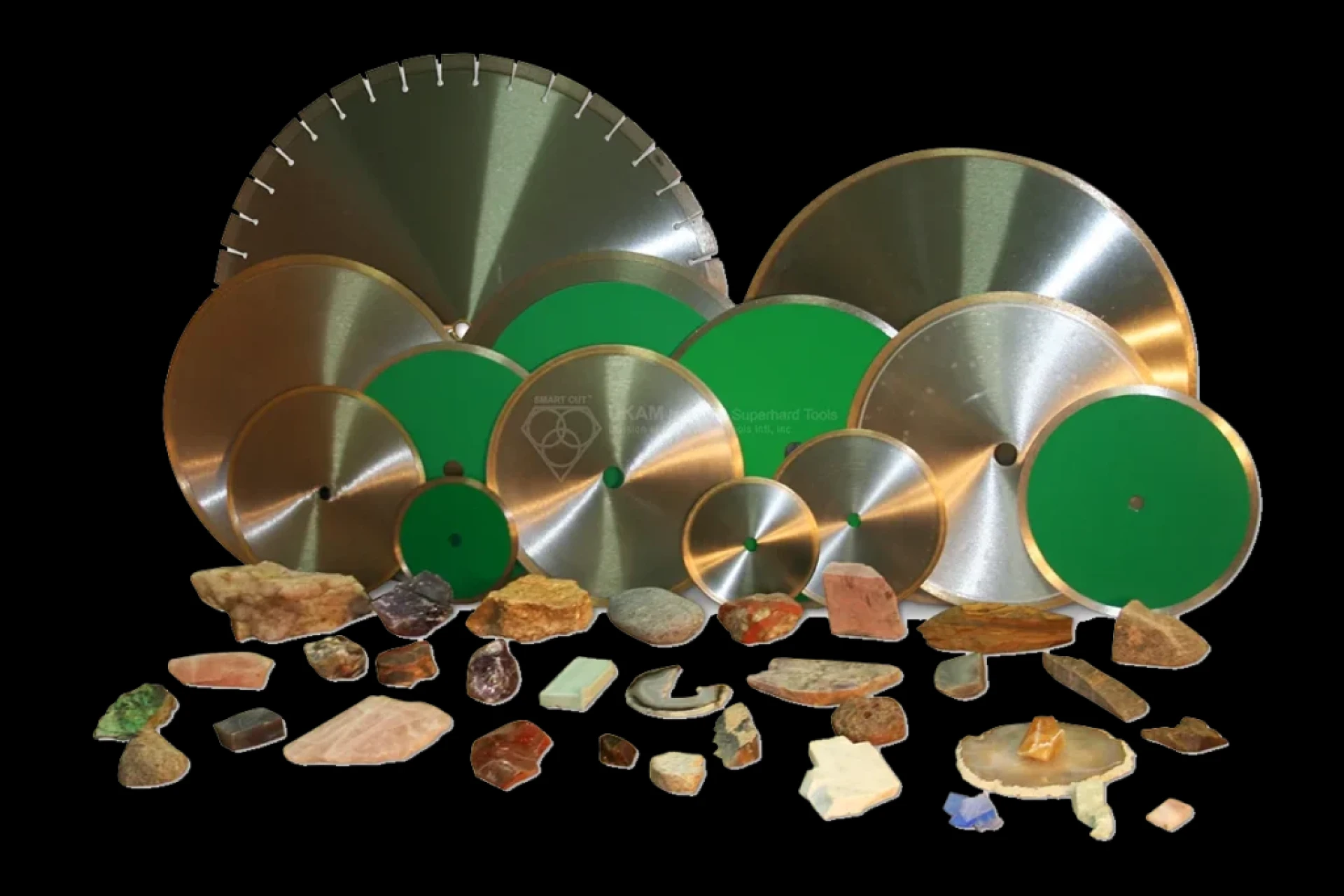

Precision cutting in lapidary work demands exceptional tools, and diamond lapidary blades stand at the forefront of stone cutting technology. Whether you're a professional gemstone cutter, hobbyist rockhound, or jewelry maker, understanding the capabilities and selection criteria for these specialized blades can dramatically improve your cutting results and efficiency. These industrial-grade cutting tools have revolutionized the way artisans and professionals work with precious and semi-precious stones, offering unmatched precision and longevity that traditional cutting methods simply cannot match.
What Are Diamond Lapidary Blades?
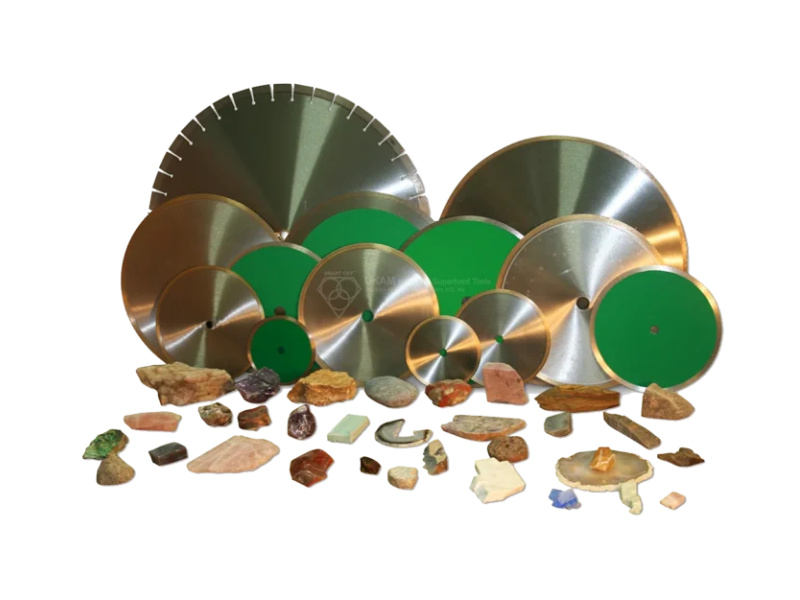
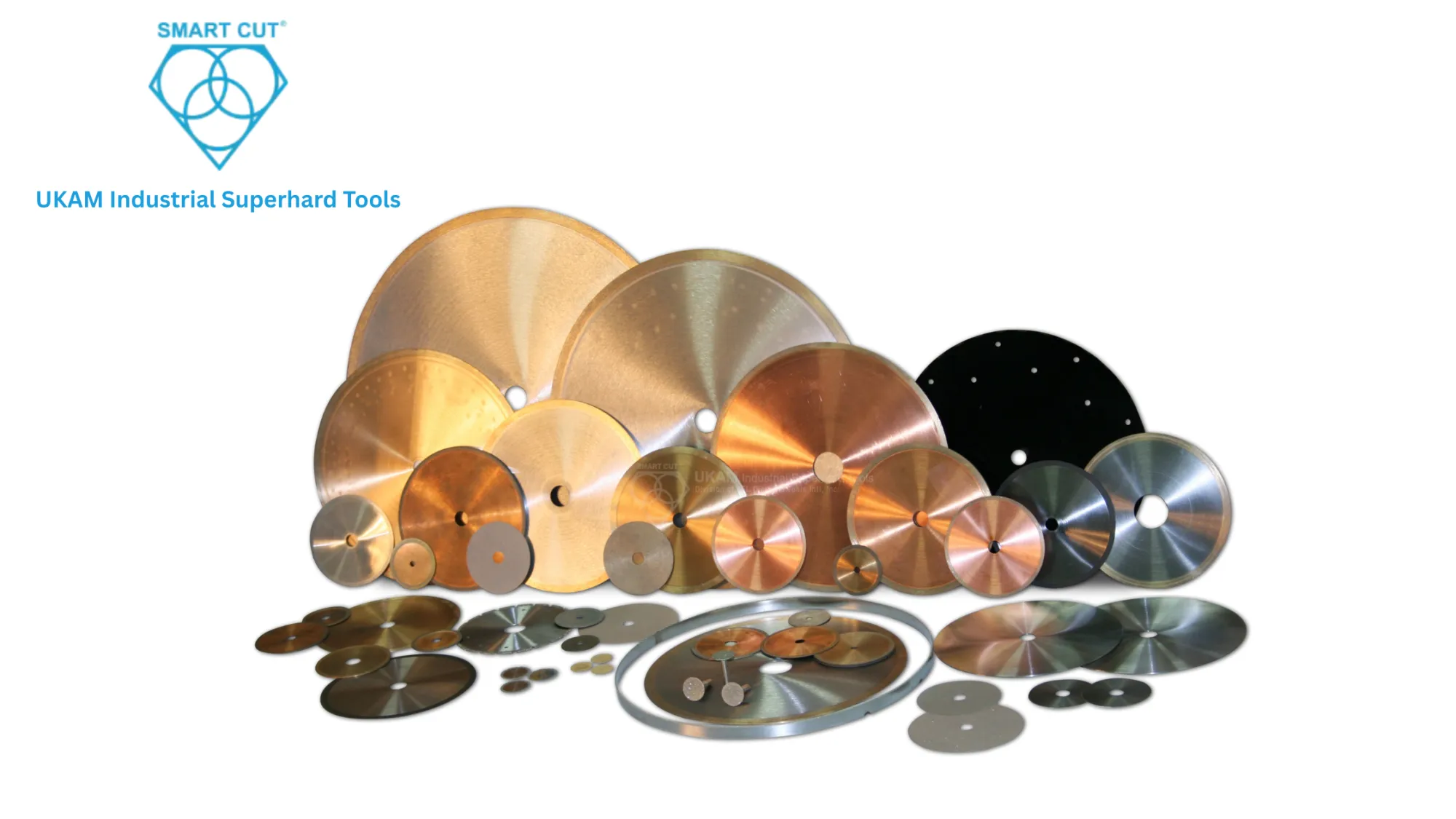
Diamond lapidary blades are circular cutting tools embedded with industrial diamond particles designed specifically for slicing through hard materials like gemstones, minerals, glass, and ceramics. Unlike conventional saw blades that cut through friction, these specialized tools use the extreme hardness of diamond particles to grind through material with remarkable precision. The diamond segments or rim contain microscopic diamond crystals bonded to a metal matrix, creating a cutting edge that can handle materials ranging from soft turquoise to ultra-hard sapphire.
The construction of these blades varies significantly based on their intended application. Some feature continuous rims for smooth, chip-free cuts on delicate materials, while others incorporate segmented or serrated edges for faster cutting through larger rough stones. Understanding these variations is essential for selecting the right blade for your specific lapidary projects.
Types of Diamond Lapidary Blades
Sintered Diamond Blades
Sintered blades represent the most common type used in lapidary work. These blades are manufactured by combining diamond particles with metal powders under extreme heat and pressure, creating a permanent bond between the diamonds and the blade core. This construction method produces blades with exceptional durability and consistent cutting performance throughout their lifespan.
Electroplated Diamond Blades
Electroplated blades feature a single layer of diamond particles attached to the blade surface through an electroplating process. While these blades cut extremely fast and produce minimal heat, they typically have a shorter lifespan compared to sintered varieties. They excel in applications requiring aggressive material removal and are often preferred for cutting softer gemstones.
Notched Rim Blades
Notched rim lapidary blades incorporate small gullets or notches along the cutting edge, which serve multiple purposes. These notches help evacuate slurry from the cutting area, reduce blade vibration, and allow for faster cutting speeds. They're particularly effective when working with larger rough stones where cutting speed is prioritized.
Continuous Rim Blades
Featuring an uninterrupted diamond edge, continuous rim blades deliver the smoothest cuts with minimal chipping. These blades are ideal for cutting valuable gemstones, creating cabochons, or working with fragile materials where edge quality is paramount. The continuous rim design reduces vibration and produces cleaner kerf walls.
Key Features of Quality Diamond Lapidary Blades
Diamond Concentration and Grit Size
The concentration of diamond particles directly affects cutting performance and blade longevity. Higher diamond concentrations provide longer blade life but may cut more slowly, while lower concentrations offer faster cutting at the expense of durability. Grit size determines the finish quality—finer grits produce smoother cuts, while coarser grits enable faster material removal.
Bond Hardness
The metal matrix holding the diamond particles must match the material being cut. Softer bonds work best with hard materials like sapphire and ruby, as the bond wears away to expose fresh diamond particles. Harder bonds suit softer materials like opal and turquoise, preventing premature diamond loss.
Core Design and Tensioning
Premium blades feature precision-engineered cores with proper tensioning to prevent wobble and ensure straight cuts. Laser-cut expansion slots help manage thermal expansion during operation, maintaining blade flatness even under heavy use.
Choosing the Right Blade for Your Project
Material Hardness Considerations
Matching blade specifications to material hardness is crucial. For cutting hard materials like agate, jasper, and quartz (Mohs hardness 7+), select blades with softer bonds and higher diamond concentrations. Softer materials like calcite, malachite, and fluorite require harder bond blades to prevent excessive wear.
Blade Diameter and Arbor Size
Blade diameter determines cutting depth capacity. Common sizes range from 4 inches for trim saws to 24 inches for large slab saws. Ensure the arbor hole matches your saw's spindle size—typically 5/8-inch, 1-inch, or metric equivalents.
Wet vs. Dry Cutting Capabilities
Most lapidary applications require wet cutting to control heat, reduce dust, and extend blade life. However, some specialized blades are designed for dry cutting in situations where water use is impractical. Always verify the manufacturer's recommendations before attempting dry cuts.
Proper Usage and Maintenance
Cutting Techniques
Allow the blade to do the work—excessive pressure reduces cutting efficiency and shortens blade life. Maintain consistent, moderate feed rates and avoid forcing material through the blade. For best results, ensure adequate coolant flow reaches the cutting zone.
Break-In Procedures
New blades benefit from a proper break-in period. Cut through softer, abrasive material like soft brick or concrete block for the first few cuts. This process helps expose fresh diamond particles and establishes proper cutting action.
Blade Dressing
Over time, the metal bond can glaze over, reducing cutting efficiency. Dressing the blade with an abrasive dressing stick restores cutting performance by removing glazed metal and exposing new diamond particles.
Storage and Handling
Store blades flat or hanging vertically to prevent warping. Clean blades after use to remove accumulated material buildup. Inspect regularly for cracks, missing segments, or excessive wear that could compromise safety.
Safety Considerations
Always wear appropriate personal protective equipment, including safety glasses, hearing protection, and dust masks when operating lapidary saws. Ensure blade guards are properly positioned and maintained. Never exceed the manufacturer's maximum RPM rating, as overspeeding can cause catastrophic blade failure.
Inspect blades before each use for damage or excessive wear. Replace blades showing cracks, missing diamond segments, or severe warping immediately. Secure workpieces properly to prevent kickback or projectiles.
Cost vs. Value Analysis
While premium diamond lapidary blades carry higher upfront costs, they typically deliver superior value through extended service life, faster cutting speeds, and better cut quality. Budget blades may seem attractive initially, but they often require more frequent replacement and produce inferior results.
Calculate the cost per cut rather than focusing solely on purchase price. A blade that costs twice as much but lasts three times longer represents a significant savings. Additionally, consider the value of your time and the quality of finished pieces when evaluating blade options.
Frequently Asked Questions
How long do diamond lapidary blades typically last?
Lifespan varies based on the materials cut, usage frequency, and maintenance, ranging from several hours to hundreds of hours of cutting time.
Can I use diamond lapidary blades on metal?
These blades are designed specifically for stone and glass; using them on metal will rapidly destroy the diamond edge.
What causes blades to glaze over?
Cutting soft materials with hard bond blades or insufficient coolant flow commonly causes glazing.
Is water cooling always necessary?
Most lapidary applications require water cooling, though some specialized blades permit dry cutting of specific materials.
How do I know when to replace my blade?
Replace blades when cutting speed significantly decreases, vibration increases, or visible damage appears on the cutting edge.
Conclusion
Selecting and maintaining the right diamond lapidary blades transforms your stone-cutting capabilities. By understanding blade construction, matching specifications to your materials, and following proper usage protocols, you'll achieve professional-quality cuts while maximizing blade longevity and return on investment in your lapidary pursuits.




























Sign in to leave a comment.